When I think of perfect hard-boiled eggs, I imagine a delightful dish that pairs beautifully with fresh salads, crunchy pickles, or creamy avocado toast. These versatile little gems can serve as a quick breakfast, a protein-packed snack, or a cheerful addition to any meal. The goal here is not just to make hard-boiled eggs but to make them perfect. So, let's embark on this delicious journey together.
Hard-boiled eggs are deceptively simple. You might think, “How hard can it be?” But I assure you, there’s an art to achieving that ideal consistency—neither undercooked nor overcooked. Spoiler alert: I’ve had my fair share of rubbery eggs and green-tinted yolks. However, through countless trials, I've grasped the delicate science behind it. Trust me; your brunch guests will thank you later!
What is Perfect Hard Boiled Eggs?
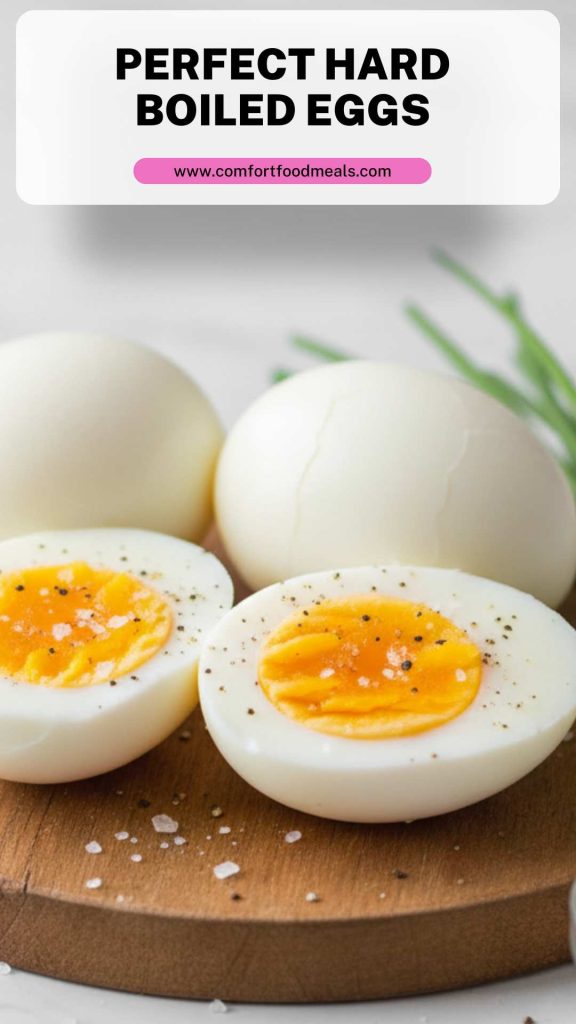
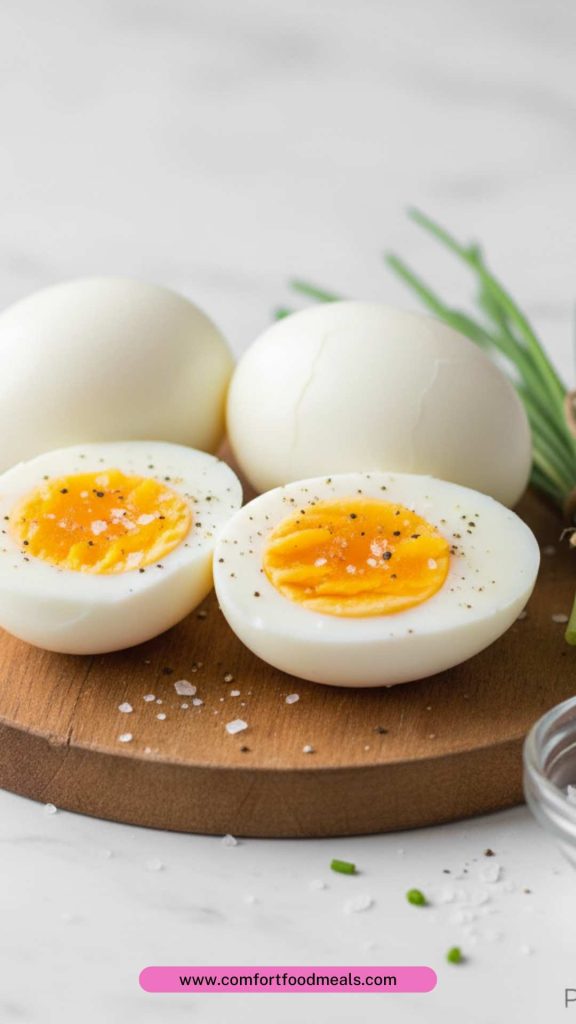
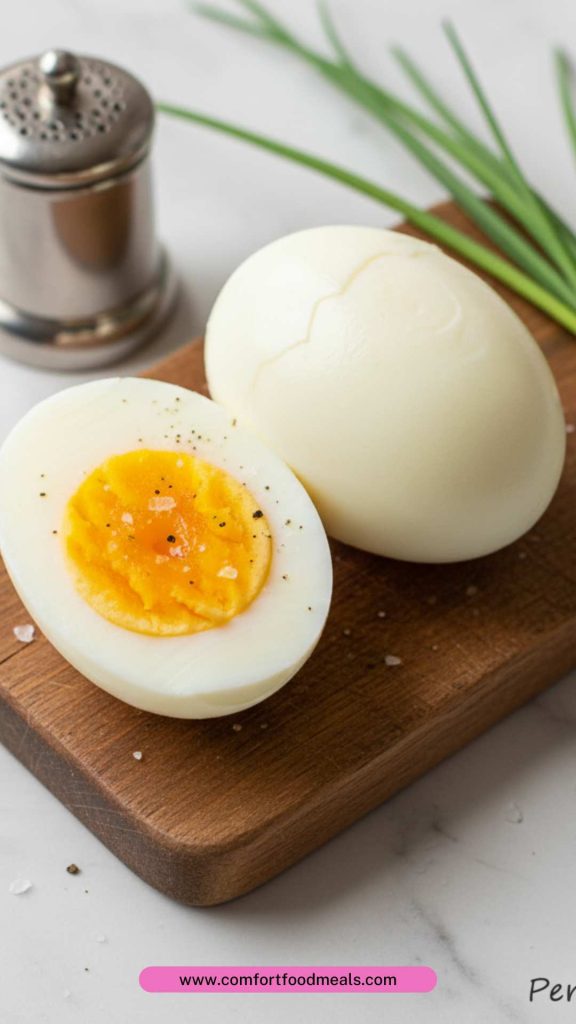
When you think about it, perfect hard-boiled eggs are those that feature a creamy yellow center. They boast a tender whites outer shell with no grayish layer surrounding the yolk. These eggs are not only satisfying to eat but also remarkably versatile.
Why This Recipe Works
1. Precision Timing Matters Timing plays a pivotal role. The right boiling time transforms an egg from merely cooked to a state of perfection. Eggs need precise handling—a few minutes can make all the difference.
2. Temperature Control Starting with cold eggs and adjusting the temperature gradually ensures even cooking throughout. This method minimizes the risk of cracks and enhances the texture.
3. Ice Bath Finish By plunging the eggs into an ice bath post-cooking, we immediately stop the cooking process. This technique helps retain that lovely, yellow hue of the yolk.
4. Freshness Counts Believe it or not, fresher eggs behave differently when cooked. Older eggs are often easier to peel but may not deliver that ultra-fresh taste. For this recipe, choose eggs that are no more than a week old.
Ingredients You'll Need To Make Perfect Hard Boiled Eggs
Large eggs (chilled straight from the fridge): The foundation of this recipe. Aim for size 55 g / 2 oz each.
Water: Enough to cover the eggs in your pot.
Ice: For the ice bath to perfect that texture.
Salt (optional): A pinch in the water can help make peeling easier.
How To Make These Perfect Hard Boiled Eggs?
Step 1: Gathering the Ingredients
Begin by ensuring you have fresh, large eggs, a pot, water, and ice on standby.
Step 2: Boil the Water
Fill a pot with enough water to cover the eggs by about an inch or so. Bring the water to a rolling boil over medium-high heat.
Step 3: Add the Eggs
Using a slotted spoon, gently lower the chilled eggs into the pot. Be cautious to avoid cracking them. If you care to add salt, now is the time.
Step 4: Adjust the Heat
Once the eggs are in, cover the pot and let it maintain a gentle boil. For medium eggs, cook for about 9 minutes; for large eggs, aim for 10 to 12 minutes depending on your desired firmness.
Step 5: Ice Bath
After cooking, swiftly remove the eggs and plunge them into a bowl filled with ice and cold water. This step is crucial. Let them sit for about 5-10 minutes to firmly set the yolk without overcooking.
Step 6: Peel and Enjoy
Gently tap the eggs on a hard surface to crack the shell and start peeling under cool running water. This water helps rinse off any tiny shell pieces and eases the peeling.
Tips for Perfect Hard Boiled Eggs
Use Older Eggs: If you're not sure about the freshness, older eggs tend to peel easier.
Don’t Skip the Ice Bath: This step prevents cooking and enhances texture.
Puncture the Egg: A tiny pinhole in the rounded end can help steam escape and prevent cracking.
Experiment with Time: Different stove strengths and egg sizes mean a bit of trial and error might be needed.
Take Notes: Keep a record of what works best for future reference and to share with friends.
Nutrition Information
One large hard-boiled egg contains approximately:
70 calories
6 grams of protein
5 grams of fat
1.5 grams of saturated fat
186 milligrams of cholesterol
6% of your daily recommended intake of sodium
Eggs bring various nutritional benefits, serving as an excellent source of protein and other nutrients.
How to Store Leftovers?
If you have extra hard-boiled eggs, store them in the fridge. Keep them in their shells, in a covered container to retain freshness. They'll last up to one week. If peeled, place them in water in a bowl and cover it or seal them in a container.
What are Some Recommended Side Dishes for Perfect Hard Boiled Eggs?
1. Avocado Toast Creamy avocado pairs wonderfully with sliced hard-boiled eggs on toasted bread. A sprinkle of salt and pepper cranked up with a dash of hot sauce gives it a nice twist.
2. Spinach Salad Hard-boiled eggs in a fresh spinach salad add protein and bulk. Toss with balsamic vinaigrette, nuts, and cheese for a meal that will satisfy.
3. Pasta Salad Chop hard-boiled eggs and mix them into your favorite pasta salad. It lends a rich flavor and elevates the dish from good to fantastic.
4. Sandwich Spread Mash hard-boiled eggs with mayo, mustard, and spices to create a delicious egg salad. Serve it in a sandwich or on crackers for a great snack.
If the Items Are Not Available in Your Pantry, What Are Some Substitute Options for the Ingredients?
1. Eggs If you run out of eggs, chickpeas are a surprising alternative. They can be mashed and seasoned to create a similar texture for salads.
2. Water Any liquid, like broth, can work in place of water for boiling, adding depth to the flavor.
3. Ice If ice is unavailable, very cold water will suffice for an ice bath. Just ensure it’s chilled to help with stopping the cooking process.
4. Salt If you are out of sea salt, table salt works just as well. Even using garlic or onion powder can work in a pinch to give flavor to the water.
Conclusion
Perfect hard-boiled eggs are not just a culinary skill—they're a gateway to delightful meals, transformations, and fun across the table. Through this guide, I hope to have shed light on the intricacies behind this seemingly simple dish. Incorporate these eggs into your day-to-day meals, and you'll realize their full potential. So next time you crack open a shell, remember the journey that egg embarked on to reach the plate. Enjoy every bite!
Hard-boiled eggs are deceptively simple. You might think, “How hard can it be?” But I assure you, there’s an art to achieving that ideal consistency—neither undercooked nor overcooked. Spoiler alert: I’ve had my fair share of rubbery eggs and green-tinted yolks. However, through countless trials, I've grasped the delicate science behind it. Trust me; your brunch guests will thank you later!
Ingredients
Large eggs (chilled straight from the fridge)
Water: Enough to cover the eggs in your pot.
Ice: For the ice bath to perfect that texture.
Salt (optional)
Instructions
Step 1: Gathering the Ingredients
1
Begin by ensuring you have fresh, large eggs, a pot, water, and ice on standby.
Step 2: Boil the Water
2
Fill a pot with enough water to cover the eggs by about an inch or so. Bring the water to a rolling boil over medium-high heat.
Step 3: Add the Eggs
3
Using a slotted spoon, gently lower the chilled eggs into the pot. Be cautious to avoid cracking them. If you care to add salt, now is the time.
Step 4: Adjust the Heat
4
Once the eggs are in, cover the pot and let it maintain a gentle boil. For medium eggs, cook for about 9 minutes; for large eggs, aim for 10 to 12 minutes depending on your desired firmness.
Step 5: Ice Bath
5
After cooking, swiftly remove the eggs and plunge them into a bowl filled with ice and cold water. This step is crucial. Let them sit for about 5-10 minutes to firmly set the yolk without overcooking.
Step 6: Peel and Enjoy
6
Gently tap the eggs on a hard surface to crack the shell and start peeling under cool running water. This water helps rinse off any tiny shell pieces and eases the peeling.
Nutrition Facts
Servings 1
Amount Per Serving
Calories70kcal
% Daily Value *
Total Fat5g8%
Saturated Fat1.5g8%
Cholesterol186mg62%
Protein6g12%
* Percent Daily Values are based on a 2,000 calorie diet. Your daily value may be higher or lower depending on your calorie needs.
Note
Use Older Eggs: If you're not sure about the freshness, older eggs tend to peel easier.
Don’t Skip the Ice Bath: This step prevents cooking and enhances texture.
Puncture the Egg: A tiny pinhole in the rounded end can help steam escape and prevent cracking.
Experiment with Time: Different stove strengths and egg sizes mean a bit of trial and error might be needed.
Take Notes: Keep a record of what works best for future reference and to share with friends.
Keywords:
Perfect Hard Boiled Eggs
Lauren Miller
Registered Dietitian & Food Enthusiasts
Lauren Miller is a Maryland-based registered dietitian and the creator of Comfort Food Meals, where she shares easy, nutritious, and heartwarming recipes inspired by her love for comforting, home-cooked meals. With a focus on using wholesome ingredients, Lauren aims to balance indulgence with nutrition in every dish. Her goal is to help others create meals that nourish both body and soul.