
Ingredients
Method
Step 1: Prepare Your Tuna
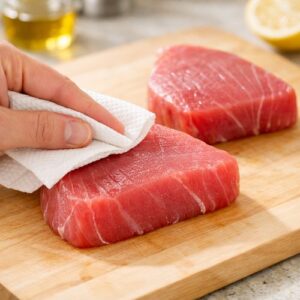
- Take your ahi tuna steaks out of the refrigerator and place them on a clean cutting board or plate. Use a paper towel to gently pat them completely dry on both sides. I know this seems like an extra step, but moisture is the enemy of a good sear—it creates steam instead of that golden, caramelized crust we're after. Don't be aggressive; just enough pressure to remove the surface moisture. If your steaks are thicker or thinner than 1 inch, keep that in mind for your cooking time adjustment later.
Step 2: Mix Your Marinade
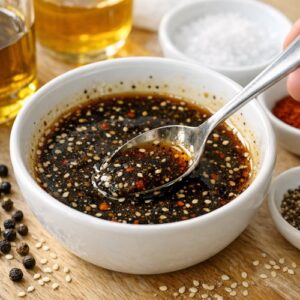
- In a small bowl, combine your soy sauce, toasted sesame oil, honey, kosher salt (if using), black pepper, and cayenne pepper. Stir everything together for about thirty seconds until the honey fully dissolves into the other ingredients. You'll notice the mixture becomes glossy and slightly thickened. This is exactly what you want—the honey acts as an emulsifier, helping everything come together into a cohesive glaze. Here's a professional tip: reserve about one to two tablespoons of this marinade before you coat your fish. Keep it in a small dish on the counter. You'll drizzle this over your finished tuna later for extra flavor and visual appeal, and since you haven't had raw fish in it, there are no food safety concerns.
Step 3: Marinate the Tuna
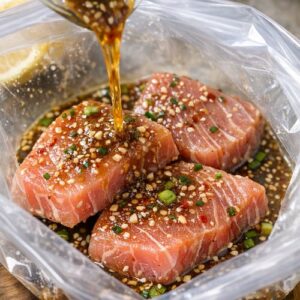
- Place your dried tuna steaks on a plate or inside a gallon-sized plastic bag. Pour the majority of your marinade over them and turn each steak to coat completely on both sides. The marinade should coat them like a thin glaze, not pool up like soup. Now comes the timing question I get asked constantly: how long should you marinate? The honest answer is that even ten minutes makes a real difference, but overnight in the refrigerator creates deeper flavor if you have the time. I usually marinate for at least fifteen to thirty minutes because that gives the soy sauce and sesame oil enough time to penetrate the surface of the fish. If you're marinating longer than an hour, cover your plate or seal your bag and pop it in the refrigerator.
Step 4: Heat Your Pan to the Right Temperature
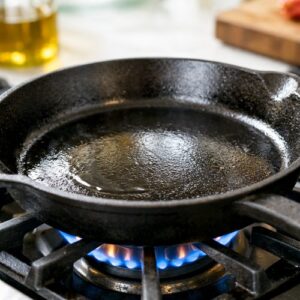
- This is the make-it-or-break-it moment. Place a medium skillet (nonstick or well-seasoned cast iron both work beautifully) over medium-high to high heat. If you're using cast iron, give it three to five minutes to become properly hot. If you're using nonstick, about one minute is usually sufficient, depending on your pan's thickness. How do you know when it's ready? I use the water droplet test: flick a tiny bit of water onto the dry pan surface. If it sizzles and evaporates immediately, you're there. If it just sits there, give it another minute. The marinade has sugar in it, which means it'll burn quickly if your pan isn't hot enough—but paradoxically, if your heat is too aggressive, the outside will char before the inside cooks through. Medium-high heat is usually the sweet spot on most home stoves.
Step 5: Sear Your Tuna
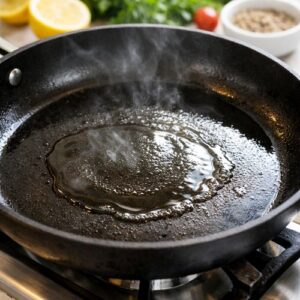
- Add your tablespoon of oil to the hot pan and let it shimmer for about fifteen seconds—not long enough to smoke, but long enough to get really hot. Carefully place your marinated tuna steaks into the pan. You should hear an immediate, satisfying sizzle. That sound tells you everything is working. Leave them completely untouched for one to one and a half minutes. I know the impulse to move them is strong, but this is where the magic happens. The exterior is developing that gorgeous golden-brown crust while the inside stays tender. You'll notice the edges starting to turn from translucent red to a more opaque color—this is the heat working its way in. Use a thin fish spatula or regular spatula to flip each steak carefully. Sear the second side for another one to one and a half minutes for medium-rare, which is my recommended doneness for ahi tuna. If you prefer medium-well to well-done, go two to two and a half minutes per side. If you love it nearly raw in the center (some people do), just thirty seconds per side. The interior temperature should reach 110°F for rare, 120°F for medium-rare, and 130°F for medium when checked with an instant-read thermometer at the thickest part.
Step 6: Rest and Slice
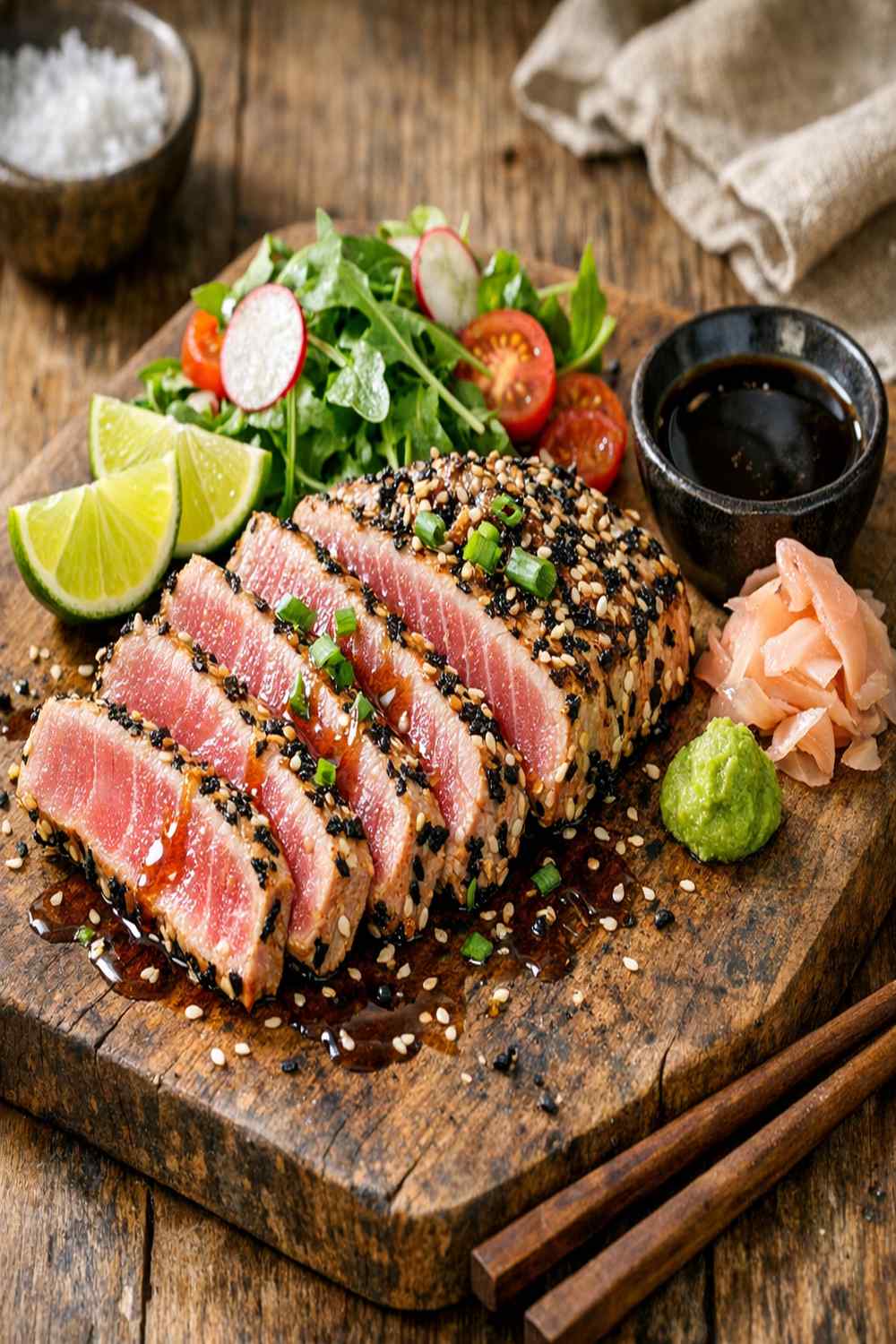
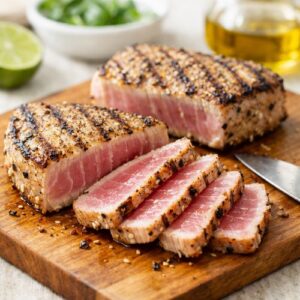
- Transfer your finished tuna steaks to a cutting board and let them rest for two to three minutes. I know you're excited to eat, but this brief rest allows the juices to redistribute throughout the fish, making every bite more tender and flavorful. You'll notice the fish continues to cook slightly from carryover heat—this is totally normal and expected. Using a sharp knife, slice each steak into approximately half-inch thick slices. You'll see those beautiful layers: the golden crust on the outside and the perfectly pink center. This is exactly what we're aiming for.
Step 7: Plate and Finish
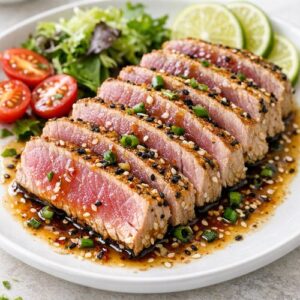
- Arrange your sliced tuna on a serving plate or individual plates. Drizzle with that reserved marinade you set aside earlier—it adds moisture and extra flavor without overwhelming the dish. Scatter your sliced green onions over the top, sprinkle with toasted sesame seeds, and serve lime wedges on the side. If you find the tuna needs more salt once plated, sprinkle it with flaky sea salt. The coarser texture of flaky salt gives you better flavor control than fine salt, and it looks more intentional too.
Notes
- Invest in a good instant-read thermometer - Especially when you're starting out, knowing the exact internal temperature removes all guesswork and builds your confidence in the kitchen
- Buy your tuna from a fishmonger you trust - Quality matters enormously here since the fish is the star. Ask them to cut steaks that are uniform in thickness so everything cooks at the same rate
- Don't skip the drying step - It feels tedious, but it's the difference between a crust and a steamed exterior. Those paper towels matter
- Use toasted sesame oil, not plain sesame oil - They're completely different beasts. Plain sesame oil is mild and appropriate for cooking; toasted sesame oil is intensely flavorful and aromatic and should be used as a finishing ingredient
- Watch your marinade carefully if heat is high - Different stovetops vary wildly in actual heat output. If you see the marinade starting to blacken on the pan's surface, reduce your heat to medium-high
- Slice against the grain - Look at the muscle fibers running through your tuna and slice perpendicular to them. This makes every bite more tender