Ingredients
Method
- Let’s roll up our sleeves and get cooking! This is where the fun begins.
Step 1: Gather Your Ingredients
- Before jumping into cooking, gather all your ingredients. Nothing feels worse than being halfway through the dish and realizing you're missing something crucial.
Step 2: Heat That Wok
- In a large skillet or wok, heat 2 tablespoons of vegetable oil over medium-high heat. You’ll want the pan hot. The goal here is a slight sizzle when you add the veggies.
Step 3: Add the Veggies
- Add the frozen peas and carrots without thawing them first. This helps maintain their bright color and crunchy texture. Sauté them for about 1-2 minutes, just until they’re bright and heated through. This burst of color is like a mini celebration!
Step 4: Introduce Garlic
- Now add those minced garlic cloves. Sauté until fragrant, which should take about 30 seconds. The smell will remind you of your go-to restaurant.
Step 5: Toss in the Rice
- It’s time to bring in the star of the show! Add the cold cooked rice, breaking up any clumps. Make sure everything is evenly coated with oil. This will help prevent sticking.
Step 6: Season It Up
- Sprinkle in the kosher salt, soy sauce, and grounded white pepper. Fold the ingredients gently, ensuring every grain of rice absorbs those rich flavors. You’ll find that the soy sauce adds just the right amount of saltiness.
Step 7: Create Space for Eggs
- Push the rice mixture to one side of your skillet or wok, creating a space. Pour in the beaten eggs into that vacant space. As they cook, scramble them together. Once cooked, mix them into the rice.
Step 8: Add Ginger and Scallions
- Stir in the finely grated fresh ginger and chopped scallions. The ginger brings warmth, while the scallions add a nice crunch. Stir everything together, and let it cook for another minute.
Step 9: A Drizzle of Goodness
- Finally, drizzle in the toasted sesame oil. This little touch elevates the dish to something reminiscent of your favorite restaurant.
Step 10: Garnish and Serve
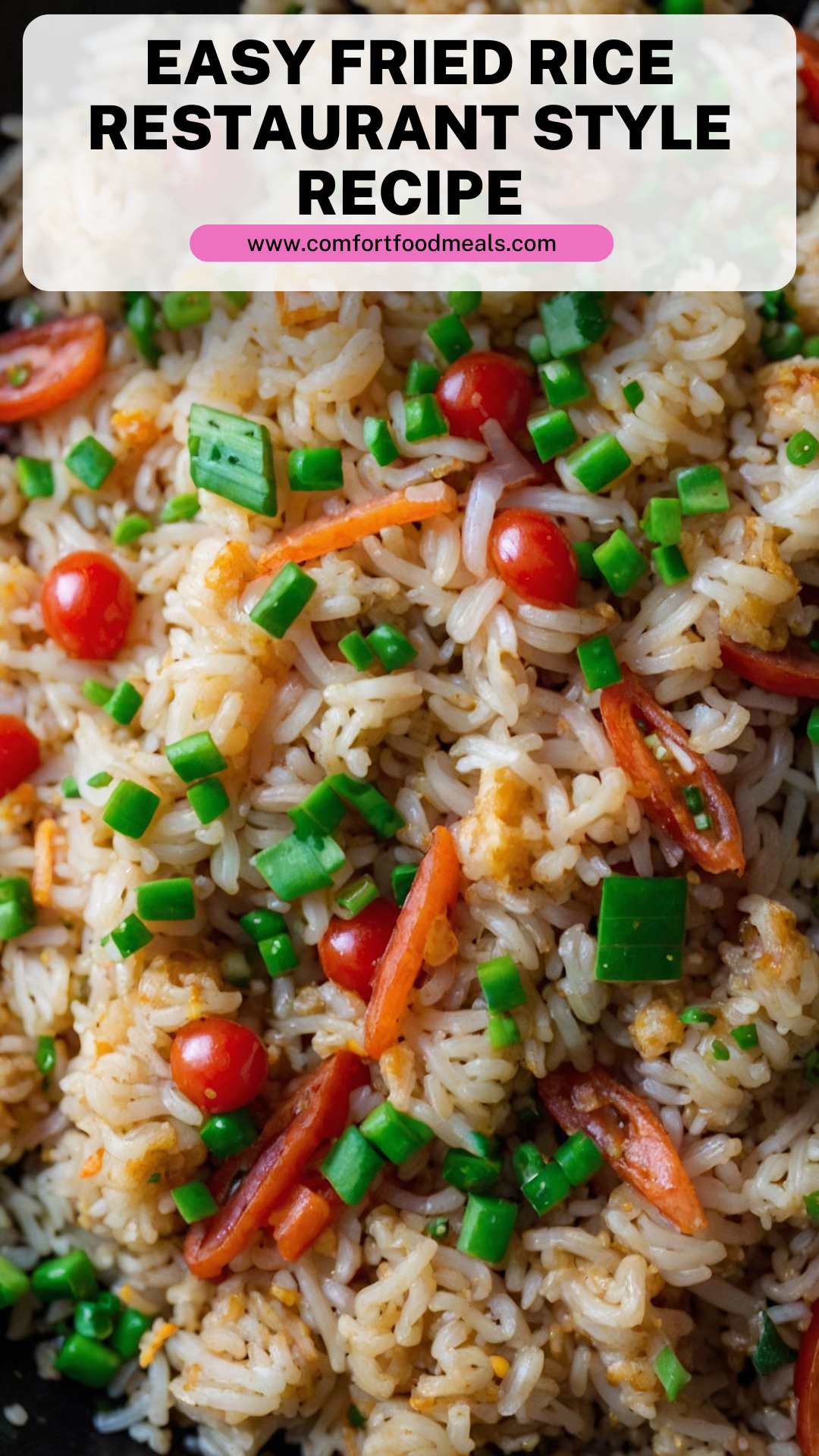
- Remove the skillet from the heat. For a fresh finish, sprinkle some chopped cilantro over the top. Serve immediately, and watch everyone’s faces light up!
Notes
Use Day-Old Rice: Freshly made rice can be too sticky. Day-old rice is firmer, making it easier to fry without clumping.
High Heat is Key: Cooking on high heat mimics the restaurant cooking method. It gives your rice that delightful slightly crispy texture.
Customize with Proteins: Add shredded chicken, shrimp, or tofu for added protein. Just make sure to cook them before adding to the rice.
Don’t Overcrow the Pan: If making a big batch, do it in two shifts. Overcrowding will lead to steaming instead of frying.
Taste as You Go: Check the flavor at the end. This will ensure you can adjust salt or soy sauce to your liking.
High Heat is Key: Cooking on high heat mimics the restaurant cooking method. It gives your rice that delightful slightly crispy texture.
Customize with Proteins: Add shredded chicken, shrimp, or tofu for added protein. Just make sure to cook them before adding to the rice.
Don’t Overcrow the Pan: If making a big batch, do it in two shifts. Overcrowding will lead to steaming instead of frying.
Taste as You Go: Check the flavor at the end. This will ensure you can adjust salt or soy sauce to your liking.