Ingredients
Method
Step 1: Gathering the Ingredients
- Begin by ensuring you have fresh, large eggs, a pot, water, and ice on standby.
Step 2: Boil the Water
- Fill a pot with enough water to cover the eggs by about an inch or so. Bring the water to a rolling boil over medium-high heat.
Step 3: Add the Eggs
- Using a slotted spoon, gently lower the chilled eggs into the pot. Be cautious to avoid cracking them. If you care to add salt, now is the time.
Step 4: Adjust the Heat
- Once the eggs are in, cover the pot and let it maintain a gentle boil. For medium eggs, cook for about 9 minutes; for large eggs, aim for 10 to 12 minutes depending on your desired firmness.
Step 5: Ice Bath
- After cooking, swiftly remove the eggs and plunge them into a bowl filled with ice and cold water. This step is crucial. Let them sit for about 5-10 minutes to firmly set the yolk without overcooking.
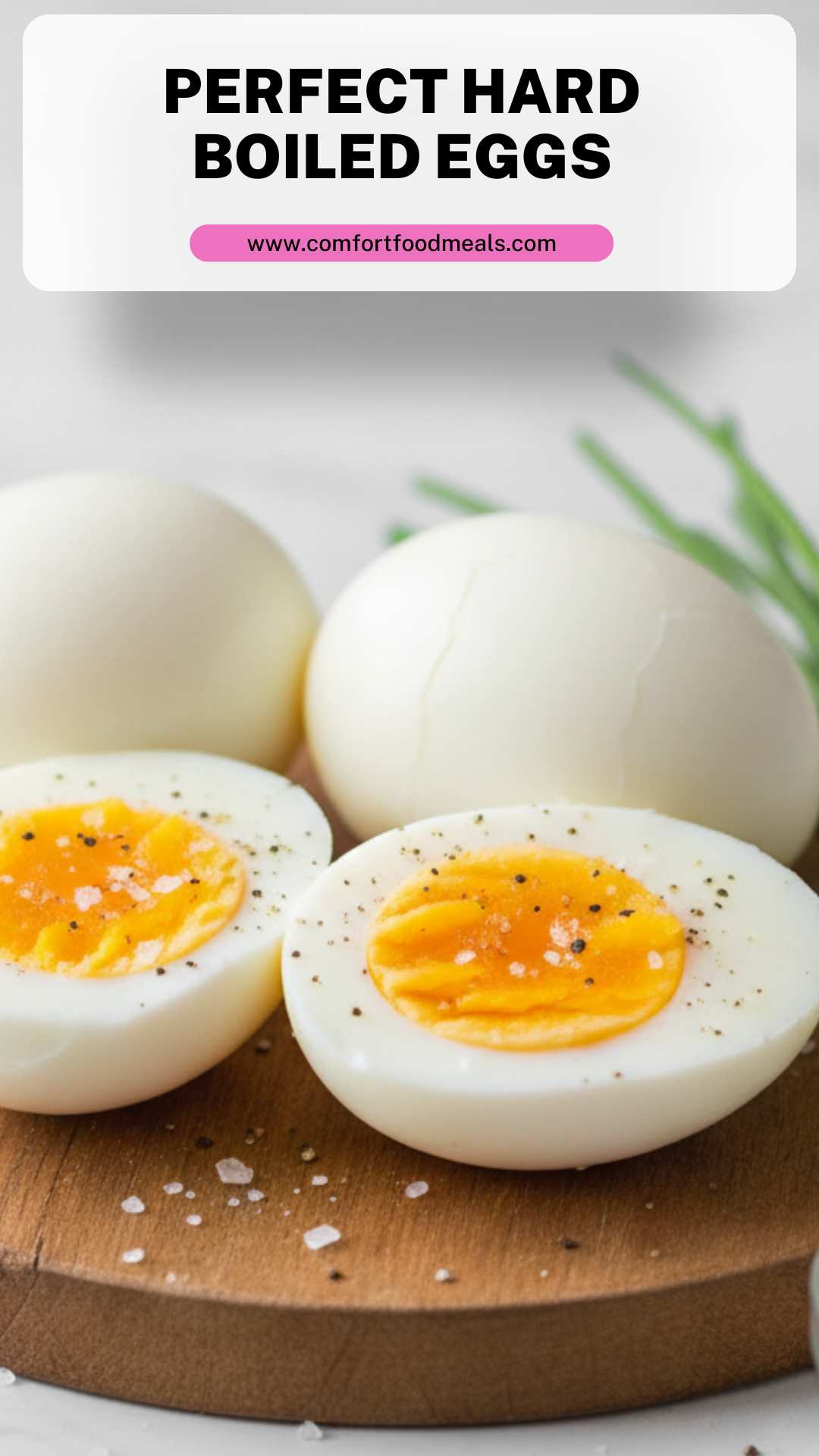
Step 6: Peel and Enjoy
- Gently tap the eggs on a hard surface to crack the shell and start peeling under cool running water. This water helps rinse off any tiny shell pieces and eases the peeling.
Notes
- Use Older Eggs: If you're not sure about the freshness, older eggs tend to peel easier.
- Don’t Skip the Ice Bath: This step prevents cooking and enhances texture.
- Puncture the Egg: A tiny pinhole in the rounded end can help steam escape and prevent cracking.
- Experiment with Time: Different stove strengths and egg sizes mean a bit of trial and error might be needed.