
As the weather warms up, I can hardly resist whipping up a pot of creamy homemade mac and cheese. The kind that oozes nostalgia and fills the kitchen with the warmth of a thousand happy memories.
But let’s be honest: a stellar mac and cheese needs a solid roux. After making a few rounds of cheesy goodness in my kitchen, I’ve come to appreciate the foundational role a good roux plays in so many delicious dishes. Today, I’m excited to share my basic roux recipe that will elevate your cooking and help you achieve that rich, velvety texture you’ve been craving!
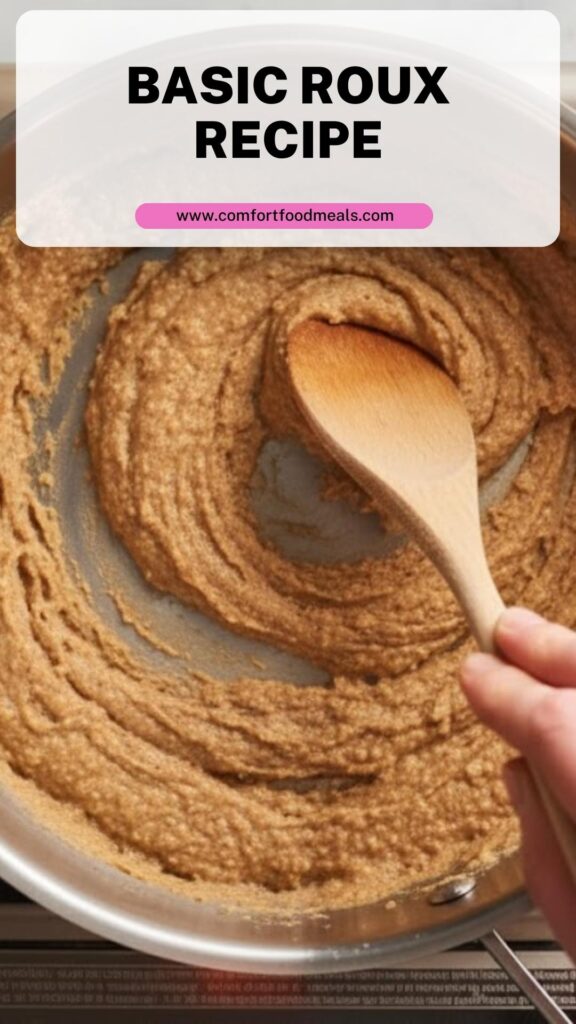
A roux is not just a fancy chef’s term; it’s a powerhouse that lays the essential groundwork for various sauces, soups, and gravies. Whether you’re making a classic béchamel for lasagna or a savory gumbo, knowing how to prepare a roux can make all the difference in your culinary creations.
Join me on this journey as I break down the process of creating a basic roux, piece by piece, ensuring even the newest of cooks can master this crucial skill.
You Might Like These Recipes!
What is Basic Roux Recipe?
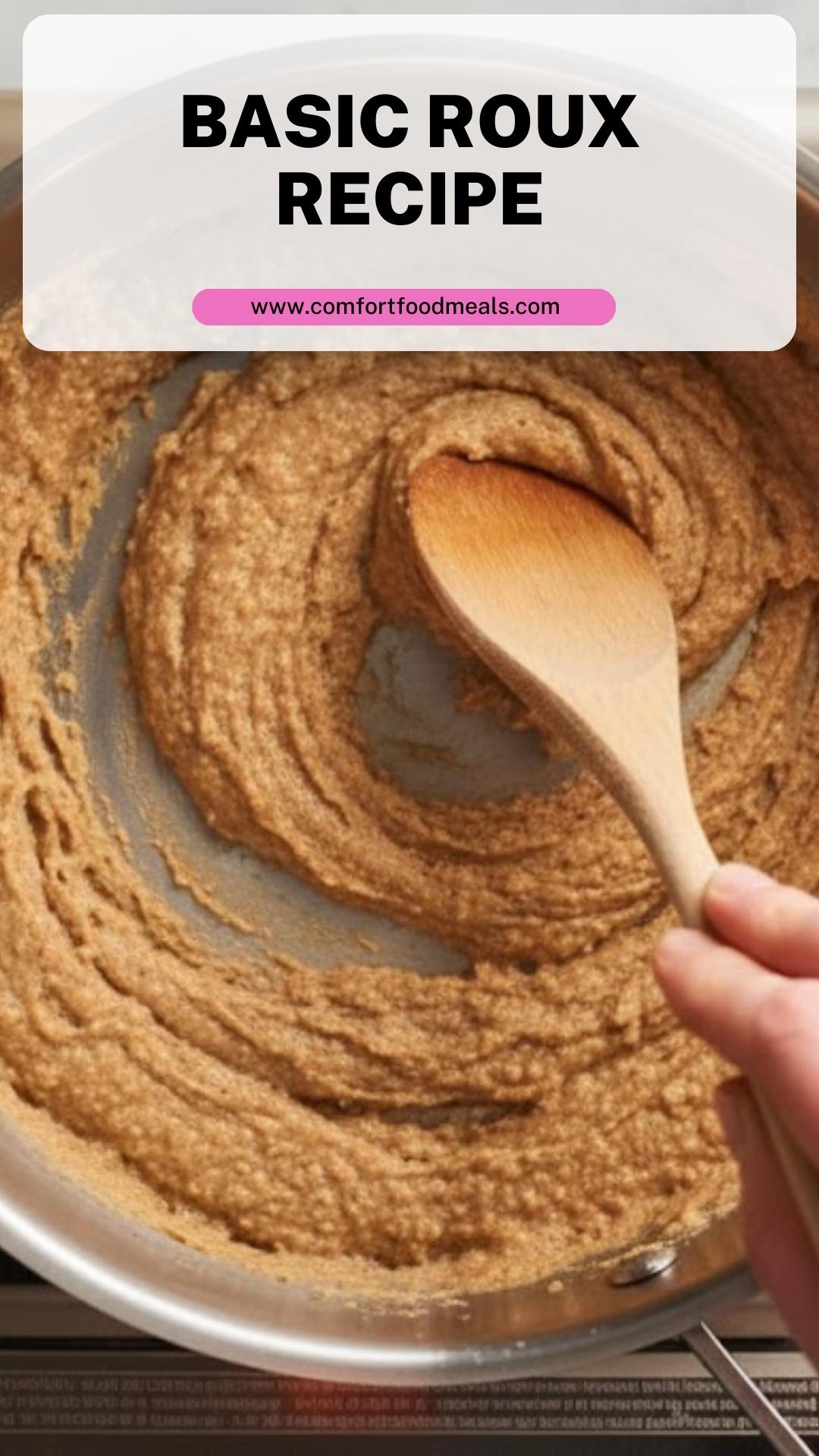
At its core, a basic roux is a simple combination of fat and flour used as a thickening agent in cooking. Traditionally made with equal parts of flour and fat (usually butter), it creates a smooth and stable base that acts as a binder for liquid, enhancing the texture of sauces and gravies. Depending on how long you cook it, a roux can take on different colors and flavors, ranging from a pale white for creamy sauces to rich brown for hearty stews.
How Does It Taste Like?
A well-prepared roux has a pleasant, neutral flavor, allowing the other ingredients in your dish to shine. While a white roux is mild and creamy, a blonde roux adds a subtle nutty hint, and a brown roux boasts deep, toasted flavors. This flavor development provides depth and richness to your sauces, elevating simple dishes to restaurant-quality.
Why You’ll Love This?
You’ll love this basic roux recipe because it opens up a world of culinary possibilities. It’s quick and easy to make, requiring just a few basic ingredients that you likely have on hand. Once you’ve got this foundational skill down, you’ll find it enhances a variety of dishes, whether you’re whipping up gravy for Thanksgiving or a luscious cheese sauce for weeknight mac and cheese.
The Ingredients
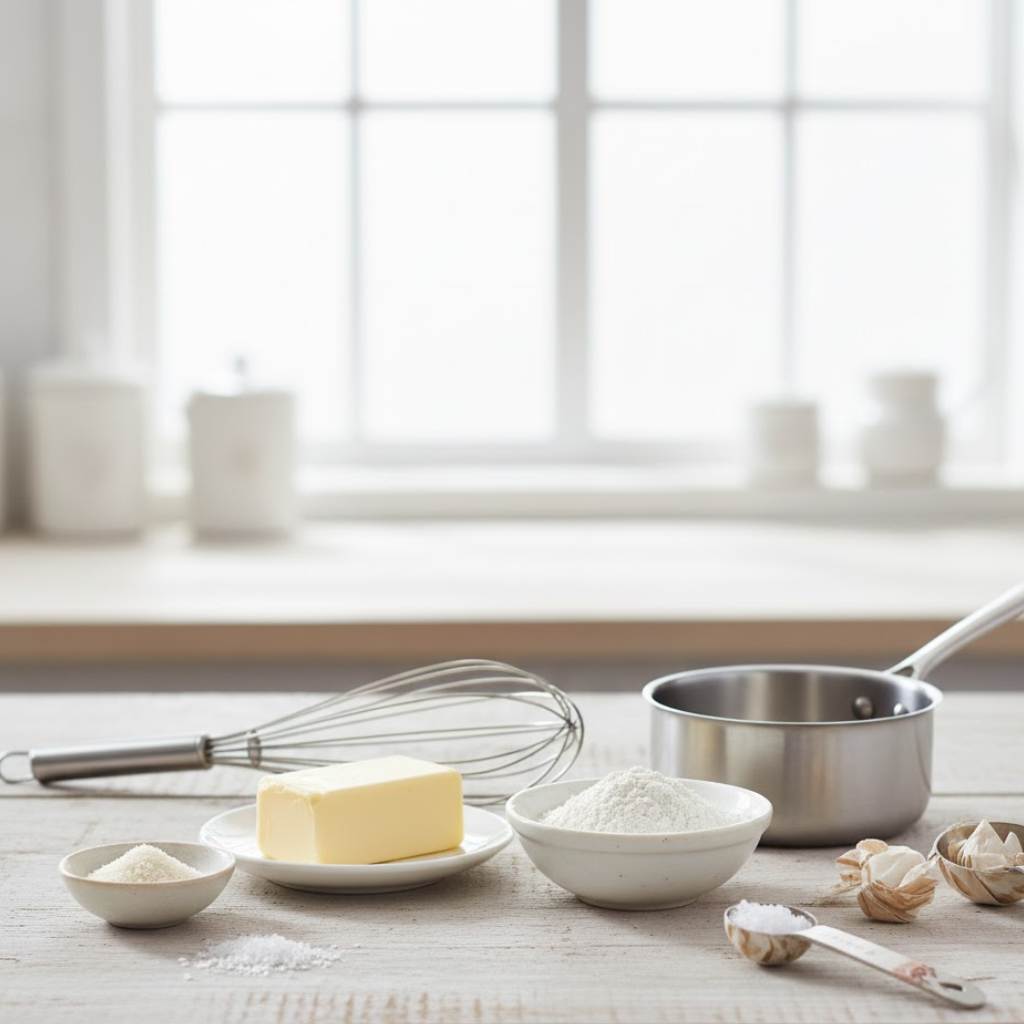
Here’s what you’ll need:
– 2 ounces unsalted butter (4 tablespoons)
– 2 ounces all-purpose flour (slightly less than 1/2 cup)
– 2 teaspoons garlic powder (for added flavor)
– 1/2 teaspoon salt (to enhance taste)
Ingredients From : thekitchn.com
How to Make Basic Roux Recipe?
Creating a roux is all about timing and technique. Let’s dive into the steps for crafting this essential component. With just a few minutes of your time, you can whip up a roux that speaks volumes in your cooking.
Step-by-Step Directions
Step 1: Melting the Butter
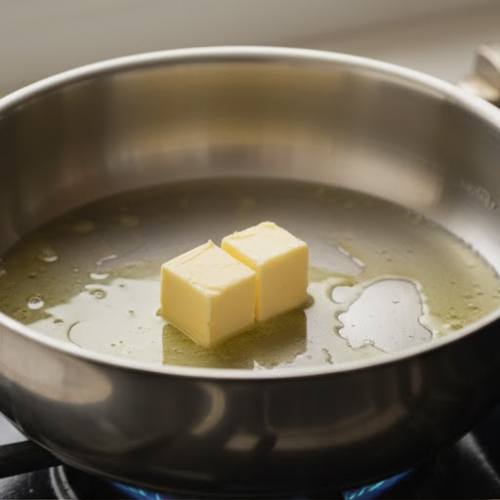
In a large skillet or heavy-bottomed saucepan, melt 2 ounces of unsalted butter (that’s four tablespoons) over medium-low heat. Keep an eye on it to ensure it doesn’t brown too much; we want it just melted, not browned. This step is crucial, as it sets the stage for blending the flour.
Step 2: Mixing in the Flour
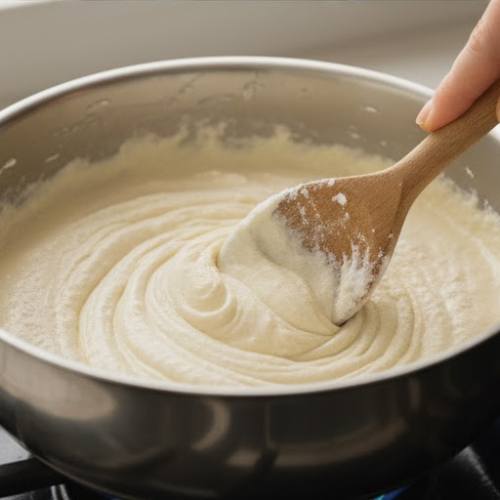
As soon as the butter is thoroughly melted, add 2 ounces of all-purpose flour (slightly less than 1/2 cup) right to the melted butter. Grab a wooden spoon and stir vigorously in a figure-eight motion. The goal here is to achieve a smooth mixture—keep stirring until every bit of flour has absorbed the butter, which may take about 30 seconds to a minute. Look for a uniform consistency with no dry flour pockets.
Step 3: Cooking the Roux
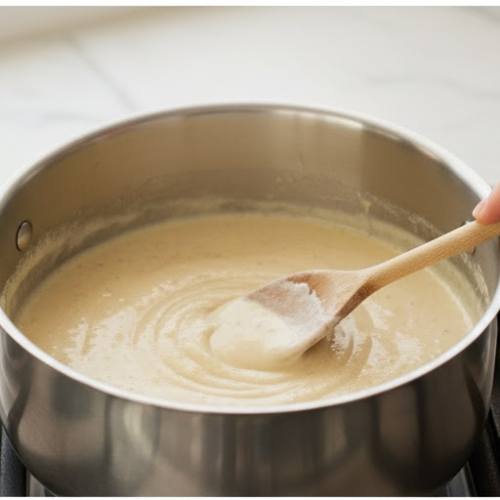
Continue to cook the flour and butter mix over medium-low heat, stirring constantly. In about another 30 seconds to a minute, you’ll notice the mixture becoming slightly thickened and smooth, with tiny bubbles beginning to form on the surface. At this point, it should develop a lovely nutty aroma, signaling it’s time to decide if you want a white roux or to take it further.
Step 4: Choosing Your Roux Color
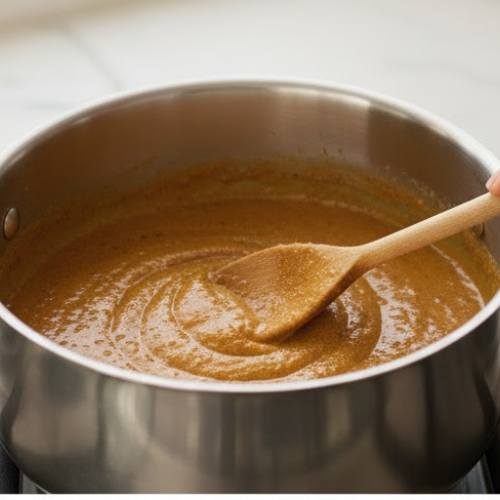
If you’re after a white roux for lighter sauces, you’re ready to go! But if you prefer a deeper flavor profile, keep cooking the roux over medium-low heat, stirring continuously until it transforms into a pale golden color—aim for about 3 to 4 minutes. For a brown roux, which is perfect for a robust gumbo, allow it to cook for 10 to 12 minutes until it reaches a dark brown shade. Just remember to keep stirring, ensuring nothing sticks to the bottom!
Tips On Making Basic Roux Recipe
– Control your heat: Keep it on medium-low to avoid burning the roux.
– Stir continuously: This prevents lumps and ensures even cooking.
– Use a flat-bottomed wooden spoon: It works best for mixing and breaking up any flour clumps.
– Experiment with flavors: Try adding spices or herbs as you cook the roux for added depth.
– Don’t rush it: Allowing more time for cooking enhances the nutty flavor.
Storage Tips
If you’ve made more roux than you need, no worries! Allow it to cool completely and store it in an airtight container in the fridge for up to one week. If you want to keep it longer, you can freeze it in portioned sizes for up to three months. Just thaw it in the refrigerator before use.
Serving Suggestions
Here are some delightful ideas on how to use your roux:
– Chicken Alfredo: Transform your roux into a creamy sauce by whisking in cream, garlic, and parmesan.
– Creamy Mushroom Soup: Use it as a base for a hearty soup loaded with mushrooms and broth.
– Macaroni and Cheese: Combine with cheese and milk for a comfort food classic.
– Cheesy Gravy: Perfect for drizzling over mashed potatoes.
– Gumbo: Use a brown roux as the foundation for this flavorful Southern dish with sausage and seafood.
What Other Substitute Can I Use in Basic Roux Recipe?
If you’re looking for alternatives or variations, consider these options:
– Ghee: For a dairy-free alternative, substitute unsalted butter with ghee, which adds a nutty flavor.
– Olive Oil: Use it instead of butter for a healthier option, though it may change the flavor slightly.
– Rice Flour: For a gluten-free option, swap out all-purpose flour with rice flour.
– Whole Wheat Flour: For a healthier twist, you can experiment with whole wheat flour for added nutrients.
– Nut Butters: In some recipes, peanut or almond butter can work as a unique twist for sauces.
Conclusion
Mastering a basic roux recipe is like learning to ride a bike: once you’ve got it, you can effortlessly traverse a whole new world of cooking delights. This simple technique not only enhances the taste and texture of your dishes but also builds a solid foundation for many beloved recipes.
So don’t be shy—give it a try and watch your culinary creations come to life! Remember, practice makes perfect, and before long, you’ll be whipping up roux like a seasoned pro. Happy cooking!
You Might Also Like These Latest Recipes!
Banana Cake Recipe with Buttermilk Recipe
Basic Roux Recipe – Comfort Food Meals
Ingredients
Method
- In a large skillet or heavy-bottomed saucepan, melt 2 ounces of unsalted butter (that’s four tablespoons) over medium-low heat. Keep an eye on it to ensure it doesn’t brown too much; we want it just melted, not browned. This step is crucial, as it sets the stage for blending the flour.
- As soon as the butter is thoroughly melted, add 2 ounces of all-purpose flour (slightly less than 1/2 cup) right to the melted butter. Grab a wooden spoon and stir vigorously in a figure-eight motion. The goal here is to achieve a smooth mixture—keep stirring until every bit of flour has absorbed the butter, which may take about 30 seconds to a minute. Look for a uniform consistency with no dry flour pockets.
- Continue to cook the flour and butter mix over medium-low heat, stirring constantly. In about another 30 seconds to a minute, you’ll notice the mixture becoming slightly thickened and smooth, with tiny bubbles beginning to form on the surface. At this point, it should develop a lovely nutty aroma, signaling it’s time to decide if you want a white roux or to take it further.
- If you’re after a white roux for lighter sauces, you’re ready to go! But if you prefer a deeper flavor profile, keep cooking the roux over medium-low heat, stirring continuously until it transforms into a pale golden color—aim for about 3 to 4 minutes. For a brown roux, which is perfect for a robust gumbo, allow it to cook for 10 to 12 minutes until it reaches a dark brown shade. Just remember to keep stirring, ensuring nothing sticks to the bottom!