This post contains affiliate links. As an Amazon Associate I earn from qualifying purchases.
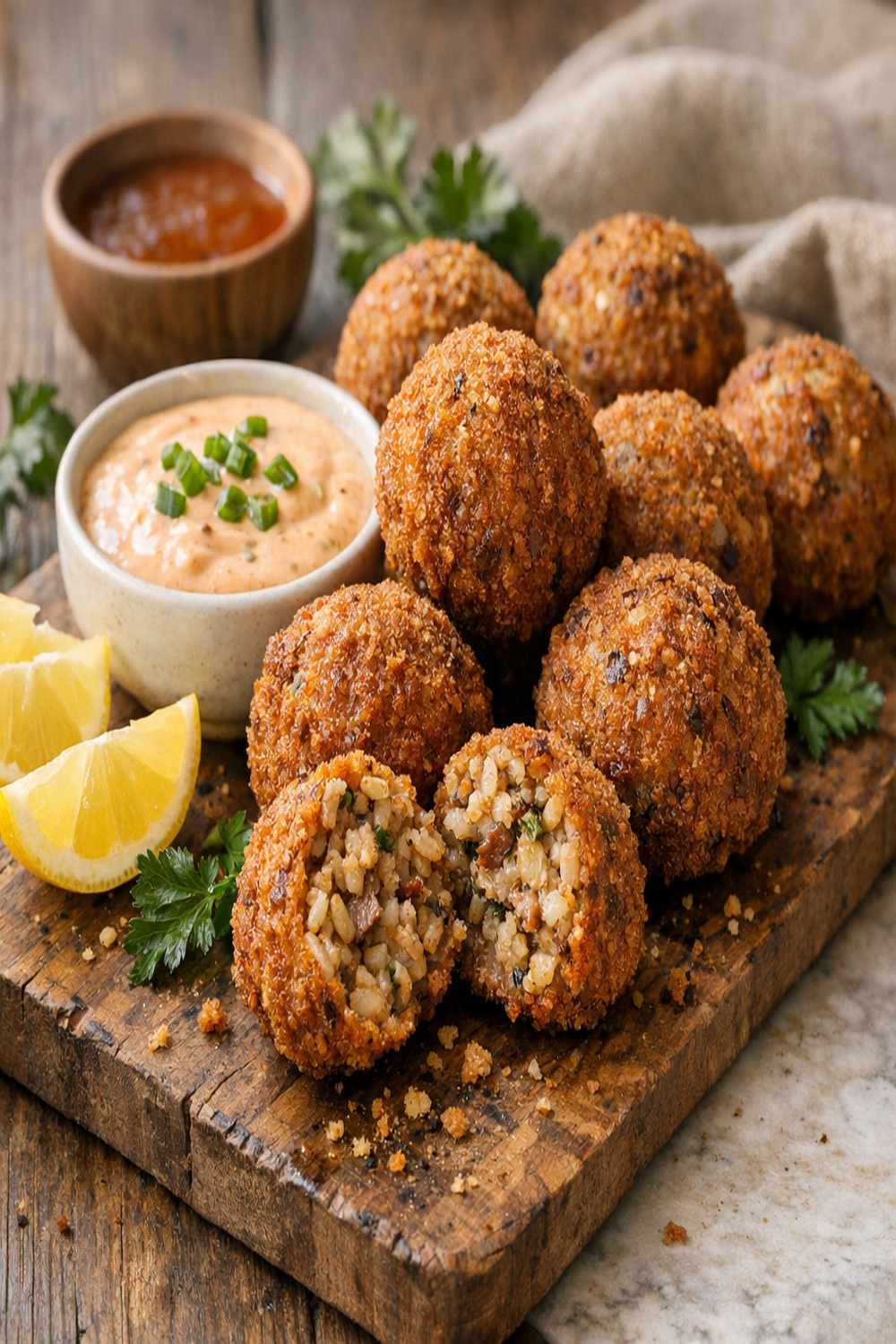
This Cajun boudin balls recipe brings together the bold, spiced heritage of Louisiana Cajun cooking and the beloved comfort food tradition of fried appetizers that grace family tables across America. When I first discovered boudin at a family friend’s dinner party in New Orleans, I couldn’t stop thinking about how to honor that authentic sausage while making it accessible for home cooks like you. These golden, crispy spheres aren’t just food—they’re a bridge between two culinary worlds that prove the best flavors come from respecting tradition while making it your own. Like the way this simple cake transforms humble ingredients into something memorable, boudin balls do the same with Louisiana’s most treasured sausage.
Cajun Boudin Balls Recipe: Where Louisiana Heritage Meets American Comfort Food
I remember standing in my friend Marie’s kitchen in Lafayette, watching her grandmother work with boudin like it was precious gold. She’d smile at my questions, never rushing her answers, and I realized that this recipe had been passed down through generations—not just as instructions, but as love. Years later, when I returned to Maryland and wanted to recreate that magic for my own family gatherings, I began experimenting with how to fry boudin in a way that kept all those authentic spices intact while giving it that irresistible crispy exterior we all crave.
The story of boudin itself is the story of Louisiana—it’s a sausage born from French, Spanish, African, and Native American influences, all living together in one delicious casing. When you bread and fry it, you’re adding yet another layer: the American tradition of fried comfort. This recipe honors both the Cajun roots and the homey comfort food tradition that makes us feel safe at the dinner table.
The Two Traditions Behind This Dish
Understanding what makes this recipe special means respecting the two culinary traditions it celebrates. Louisiana Cajun cooking comes from the Acadiana region—it’s rustic, flavorful, and built on making the most of local ingredients like rice, seafood, and bold spices. American comfort food tradition, meanwhile, speaks the language of nostalgia and accessibility—it’s about gathering, sharing, and creating memories around food that feels familiar and safe.
- Louisiana Cajun tradition – brings the spiced boudin sausage, the Creole seasoning blend, and the fearless approach to flavor that makes this dish sing
- American comfort food tradition – provides the breading technique, the deep-frying method, and the appetizer format that makes these balls irresistible at any gathering
Why This Fusion Works
From a nutritional and flavor perspective, this combination makes perfect sense. Boudin is already a fully cooked sausage—seasoned, complex, and rich with pork and spices. When you encase it in a crispy breaded exterior, you’re creating textural contrast. The cool, tangy dipping sauce cuts through the richness of the fried coating and the savory intensity of the sausage. It’s the same principle that makes Cajun Fries so craveable—you’re layering flavors and temperatures in a way that keeps your palate interested.
The spices in boudin—garlic, thyme, cayenne, and black pepper—are warming spices that our bodies actually recognize as soothing. That’s not just tradition talking; there’s real science behind why Cajun food feels comforting even when it has heat. The fat in the boudin carries those flavors beautifully, and the frying process creates a Maillard reaction that adds even more savory depth.
The Ingredients—A Tale of Two Traditions
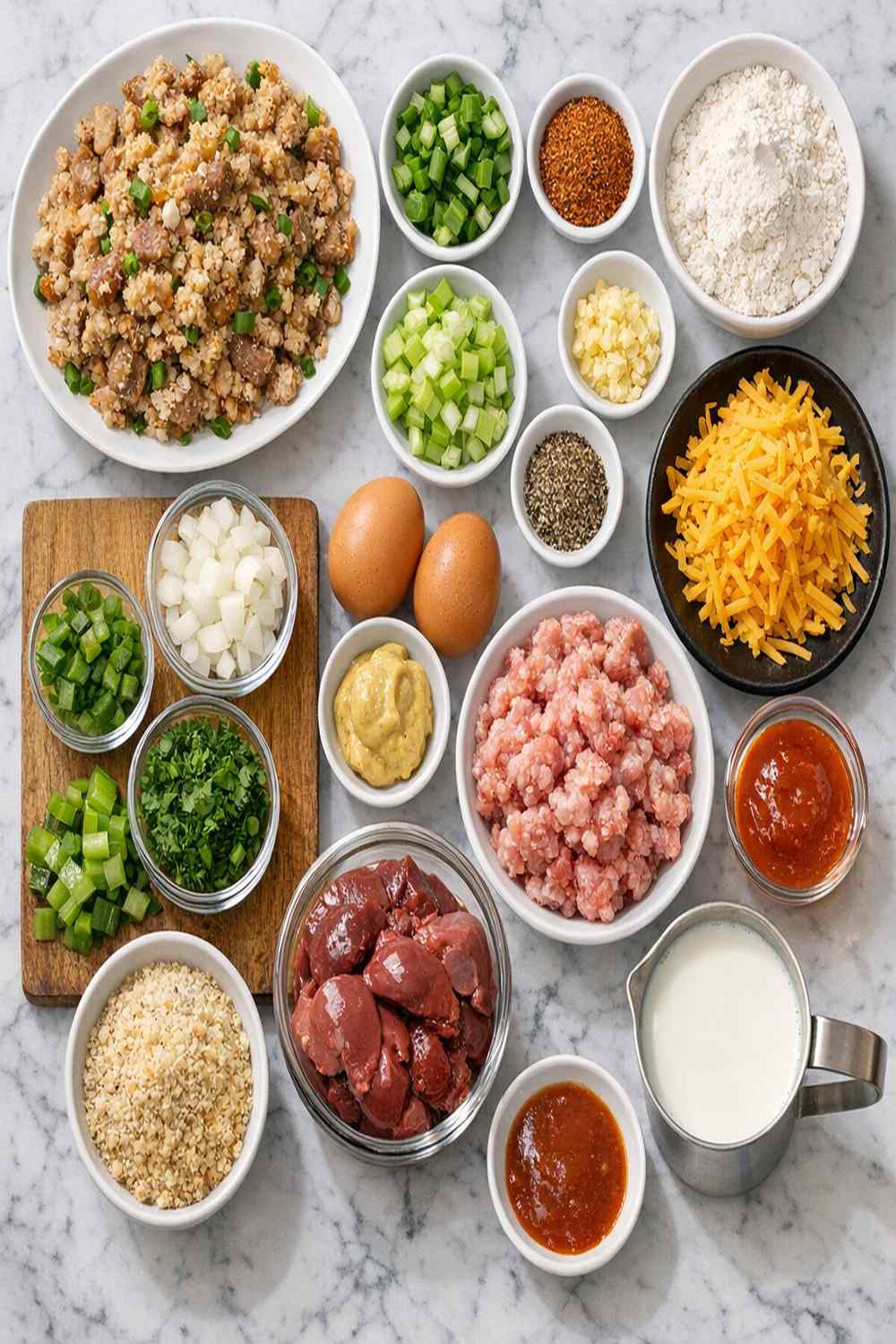
Each ingredient in this recipe plays a role in honoring both the Louisiana Cajun tradition and the American comfort food heritage. I’ve chosen each one deliberately, and I want you to understand why it matters.
For the Boudin Balls
- ¼ cup buttermilk (the acidity helps tenderize and adds slight tang that balances richness)
- 2 large eggs (room temperature for better adhesion of the breadcrumb coating)
- ½ cup panko breadcrumbs (creates that satisfying golden crunch)
- 1 tablespoon Cajun seasoning blend (optional addition for extra spice depth)
- 1 pound Cajun-style boudin sausage, about 3 links (the heart of this recipe—already seasoned and cooked, just needing that crispy coat)
- Oil for deep-frying (vegetable or peanut oil at 350°F—neutral flavor won’t compete)
- ½ cup all-purpose flour (spooned and leveled, never packed—this is your base breading layer)
- 1 teaspoon hot sauce (Frank’s RedHot or similar—amplifies the Cajun heat without overpowering)
- Pinch of salt (to taste—boudin is already seasoned, so taste first)
For the Creole Dipping Sauce
- 2 tablespoons spicy mustard (brown or Creole mustard—adds complexity without heat)
- 1 teaspoon Creole seasoning blend (honors the tradition without redundancy)
- Pinch of salt (adjust to your preference)
- 1 teaspoon fresh lemon juice (brightness cuts through richness beautifully)
- 1 teaspoon garlic powder (for consistent, mellow garlic flavor)
- 1 cup full-fat sour cream or Mexican crema (the cooling agent that makes these balls balanced)
Yield: Makes about 24 boudin balls, serves 6-8 as an appetizer.
How to Make This Fusion Cajun Boudin Balls Recipe
This recipe is straightforward, but I want to walk you through each step with intention. You’re not just following instructions—you’re learning a technique that respects both the Cajun sausage tradition and the comfort food frying method.
Step 1: Prepare Your Dipping Sauce First
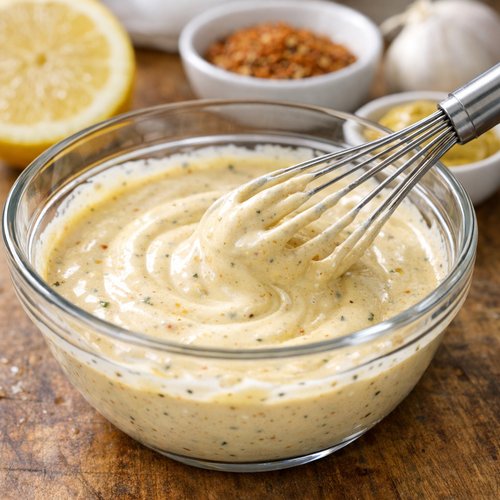
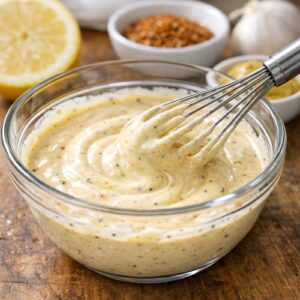
In a medium bowl, combine your sour cream, spicy mustard, fresh lemon juice, Creole seasoning, and garlic powder. Whisk until completely smooth—this should take about one minute. Taste and adjust salt as needed. This sauce is your flavor insurance. By preparing it first, you’ll have it ready to cool in the refrigerator while you work on the boudin balls. The cold sauce will be the perfect contrast to hot fried sausage. Set this aside.
Step 2: Remove Boudin from Casings
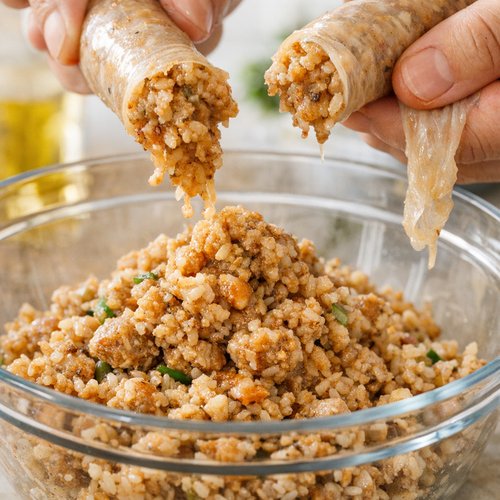
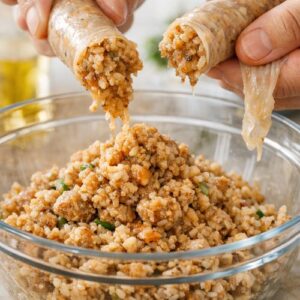
Take your three boudin links and gently squeeze the cooked sausage meat out of the casings into a clean bowl. Don’t worry about it being perfect—you’re looking for roughly even pieces. Some people like to chill the boudin for 30 minutes before this step, which makes it slightly easier to work with. The sausage is already fully cooked, so you’re just shaping it now. This is where Louisiana tradition meets your hands directly.
Step 3: Shape Your Balls
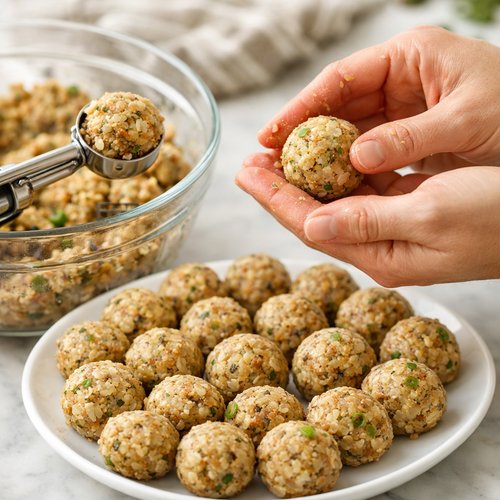
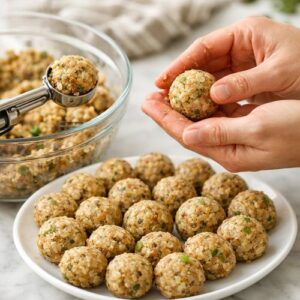
Using a small cookie scoop (about 1.5 tablespoons) or your hands, roll the boudin mixture into compact balls. You should get about 24 balls total. If the mixture feels too soft, refrigerate for 15 minutes—this helps them hold their shape during breading. They don’t need to be perfect spheres; slightly irregular shapes actually look more homemade and appealing. Place each shaped ball on a parchment-lined plate.
Step 4: Set Up Your Breading Station
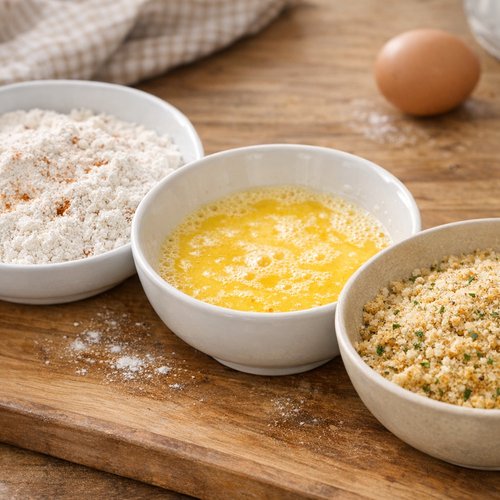
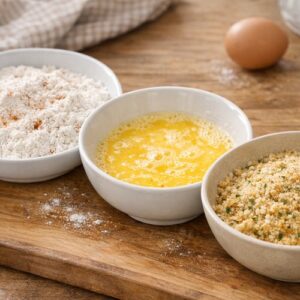
This is important, and it’s where comfort food technique shines. Create three shallow bowls in a row: one with all-purpose flour mixed with a small pinch of salt, one with beaten eggs combined with buttermilk and hot sauce, and one with panko breadcrumbs mixed with your optional Cajun seasoning blend. Have a clean plate or tray ready for your breaded balls. This assembly-line approach ensures even coating and makes the job faster.
Step 5: Bread Your Boudin Balls
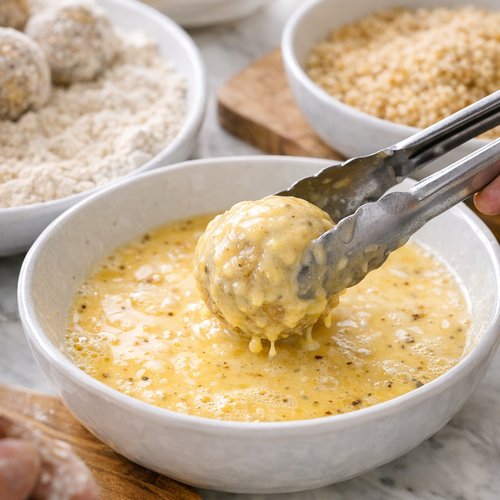
Working with one ball at a time, roll it gently in the flour mixture, shaking off excess. Then dip it into the egg-buttermilk mixture, coating completely. Finally, roll it in the panko breadcrumbs, pressing gently so the crumbs adhere. The buttermilk acts as your glue—it’s stickier than plain egg and helps that golden crust cling. Place each breaded ball on your clean plate. If you have time, refrigerate the breaded balls for 15-30 minutes before frying—this helps the coating set and prevents shattering in the oil.
Step 6: Heat Your Oil to 350°F
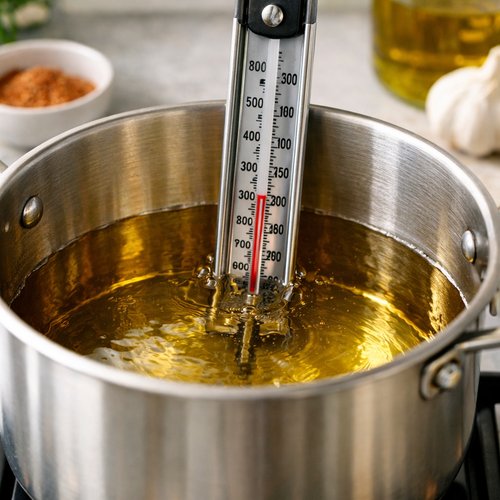
Pour enough oil into a heavy-bottomed pot or Dutch oven to come about 3 inches up the sides. Use a thermometer—this is not a guess situation. Oil that’s too cool will result in greasy balls; oil that’s too hot will burn the outside before the inside heats through. At 350°F, you’ll have about 3-4 minutes of frying time. This temperature is your sweet spot for perfect doneness. While the oil heats, line a plate with paper towels.
Step 7: Fry Your Boudin Balls
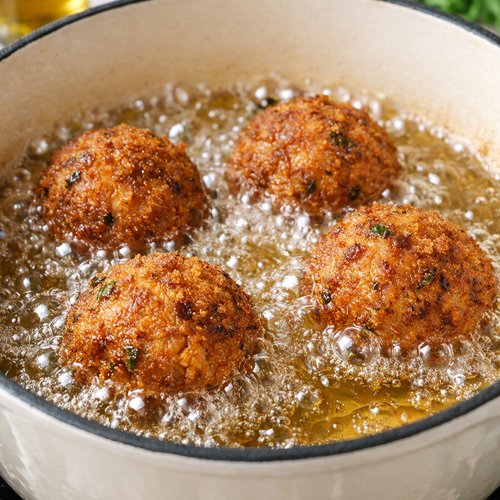
Carefully place 4-5 boudin balls into the hot oil at a time—don’t crowd the pot, as this drops the oil temperature and causes uneven cooking. Fry for 3-4 minutes until the breadcrumb coating is deep golden brown. You’ll notice they’ll float when done. Using a slotted spoon, remove them to your paper towel-lined plate. They’ll continue crisping slightly as they cool. Work in batches until all balls are fried.
Step 8: Rest and Serve
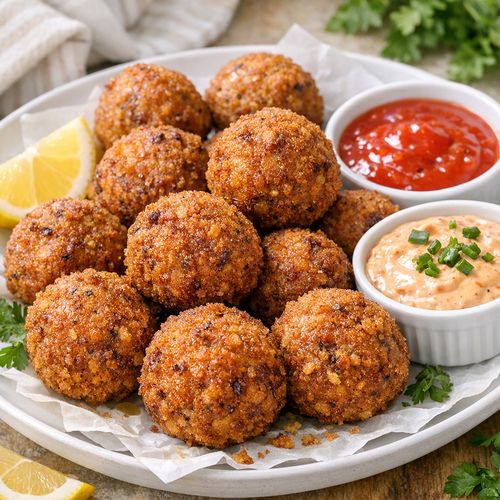
Let your boudin balls rest for 2-3 minutes before serving. This allows the exterior to firm up and the interior to stay juicy. Serve immediately with your chilled Creole dipping sauce. The contrast between hot, crispy exterior and cool, tangy sauce is where the magic happens.
Expert’s Nutritional Tip
As a registered dietitian, I want to share something important: boudin is a nutrient-dense food. One 3-ounce serving of boudin contains about 18 grams of protein and important B vitamins from the pork. The spices—particularly cayenne and garlic—have anti-inflammatory properties that your body recognizes. When you serve these boudin balls at a gathering with vegetable-based sides, you’re creating a balanced appetizer spread. These aren’t meant to be your entire meal; they’re meant to be shared, savored, and enjoyed as part of a larger celebration. That’s where the real nourishment happens.
How to Customize the Fusion Ratio
Not everyone wants the same level of spice or the same balance between traditions. Here’s how to adjust this recipe to your preference.
- Lean more Cajun – Skip the optional Cajun seasoning step and instead add ½ teaspoon cayenne pepper directly to your panko breadcrumbs. You can also drizzle hot sauce directly onto the cooked balls before serving instead of just in the dip.
- Lean more comfort food – Use mild boudin instead of spicy, and skip the hot sauce in the breading mixture. Make your dipping sauce with plain mustard instead of spicy mustard, and add a touch of honey for sweetness that balances the savory sausage.
- Go milder overall – Reduce the Creole seasoning in both the dip and the breading, and choose a mild hot sauce. The flavor will still shine through; it just won’t have as much heat.
Common Mistakes to Avoid
I’ve made every mistake in this recipe at least once, and I want to save you the frustration.
- Skipping the thermometer for oil temperature – This is the number one reason boudin balls turn out greasy or burnt. Invest in a cheap instant-read thermometer. It’s the best five-dollar decision you’ll make.
- Not letting shaped balls chill before breading – Warm boudin is too soft and won’t hold its shape through the breading process. Even 15 minutes in the refrigerator makes a difference. I’ve learned this the hard way.
- Overcrowding the pot while frying – Each ball needs space to cook evenly. If you cram too many in, the oil temperature drops, and you’ll end up with soggy results. Patience here pays off.
- Using expired boudin or low-quality sausage – This is your star ingredient. Buy from a butcher you trust, or order online from a reputable Louisiana source. The quality difference is significant.
Make-Ahead Guide
Three days ahead: Make your Creole dipping sauce and store it covered in the refrigerator. The flavors actually improve as they meld together.
One day ahead: Remove boudin from casings, shape into balls, and refrigerate uncovered on a parchment-lined plate. Store in an airtight container for up to 24 hours. Don’t bread them yet—the coating works best when applied fresh.
Four hours ahead: Bread your boudin balls following Step 5 instructions, then refrigerate on a parchment-lined plate until ready to fry. This resting time actually improves adhesion of the coating.
One hour ahead: Set up your oil and thermometer. Have your breaded balls ready to go. Bring your dipping sauce out of the refrigerator about 10 minutes before serving so it’s not ice-cold.
Note: You can fry these up to 4 hours ahead, then reheat them in a 350°F oven for 5-7 minutes just before serving. They won’t be quite as crispy as freshly fried, but they’ll still be delicious and will taste like you just made them.
Seasonal Variations
One of my favorite things about this recipe is how easily it adapts to what’s in season.
- Summer version: Serve alongside fresh corn salad and chilled cucumber agua fresca. The brightness cuts through the richness beautifully. Make your dipping sauce with fresh herbs like tarragon or cilantro.
- Fall version: Pair with roasted root vegetables and serve your dipping sauce with a touch of maple syrup for subtle sweetness. The spices in boudin are warming spices that feel particularly good when weather cools.
- Winter version: These are perfect alongside hearty sides like creamy corn chowder or gumbo. The fried balls feel celebratory and substantial when it’s cold outside.
- Spring version: Lighter approach—serve with a simple green salad dressed in lemon vinaigrette. Add fresh herbs like green onions to your dipping sauce.
Can I Store Cajun Boudin Balls Recipe?
Refrigerator: Cooked boudin balls will keep in an airtight container for 3-4 days. Reheat in a 350°F oven for 5-7 minutes until warmed through and crispy again. The dipping sauce keeps for 5-7 days covered in the refrigerator.
Freezer: You have two options. Freeze breaded, uncooked boudin balls on a parchment-lined tray, then transfer to a freezer bag once solid. They’ll keep for 2-3 months and can go directly from freezer to fryer—just add an extra minute to the frying time. Alternatively, freeze cooked boudin balls the same way, then reheat in a 350°F oven for 8-10 minutes.
Do not freeze the dipping sauce – the sour cream base will separate and become watery when thawed.
Nutrition Information
Based on USDA data, each boudin ball (about 1 ounce before breading and frying) contains approximately 120 calories, 9 grams of protein, 8 grams of fat, and 3 grams of carbohydrates. The breading and frying process adds about 50-60 additional calories per ball and slightly increases the fat content. A serving of 3-4 balls with 2 tablespoons of dipping sauce comes to roughly 360-480 calories.
The beauty of this dish, from a nutritional standpoint, is that it’s meant to be an appetizer or shared plate, not a main course. The protein content from the pork sausage and egg coating is substantial, so these are quite satisfying in smaller portions. The spices—particularly garlic and cayenne—offer anti-inflammatory benefits that traditional comfort food sometimes lacks.
What to Serve With Cajun Boudin Balls Recipe?
These boudin balls deserve thoughtful accompaniments that respect both their Louisiana roots and comfort food nature. Here’s what I serve alongside them at my family gatherings.
- Simple green salad with lemon vinaigrette – The acidity and freshness balance the richness of the fried balls and the savory sausage. This is non-negotiable at my table.
- Creamed corn or cornbread – These are traditional Southern sides that honor the comfort food tradition without competing with the boudin flavors.
- Pickled vegetables or a spicy slaw – The acidity cleanses the palate between bites and prevents the richness from becoming overwhelming.
- Grilled vegetables with Cajun seasoning – Zucchini, bell peppers, and eggplant all work beautifully. They echo the Cajun flavors while adding nutrition and lightness.
- Cajun Fries – I know, more fried food. But if you’re celebrating, these pair beautifully and create a proper Cajun experience.
- Rice and beans – A small serving of traditional red beans and rice on the side honors the Louisiana heritage completely.

Cajun Boudin Balls Recipe
Ingredients
Method
- In a medium bowl, combine your sour cream, spicy mustard, fresh lemon juice, Creole seasoning, and garlic powder. Whisk until completely smooth—this should take about one minute. Taste and adjust salt as needed. This sauce is your flavor insurance. By preparing it first, you'll have it ready to cool in the refrigerator while you work on the boudin balls. The cold sauce will be the perfect contrast to hot fried sausage. Set this aside.
- Take your three boudin links and gently squeeze the cooked sausage meat out of the casings into a clean bowl. Don't worry about it being perfect—you're looking for roughly even pieces. Some people like to chill the boudin for 30 minutes before this step, which makes it slightly easier to work with. The sausage is already fully cooked, so you're just shaping it now. This is where Louisiana tradition meets your hands directly.
- Using a small cookie scoop (about 1.5 tablespoons) or your hands, roll the boudin mixture into compact balls. You should get about 24 balls total. If the mixture feels too soft, refrigerate for 15 minutes—this helps them hold their shape during breading. They don't need to be perfect spheres; slightly irregular shapes actually look more homemade and appealing. Place each shaped ball on a parchment-lined plate.
- This is important, and it's where comfort food technique shines. Create three shallow bowls in a row: one with all-purpose flour mixed with a small pinch of salt, one with beaten eggs combined with buttermilk and hot sauce, and one with panko breadcrumbs mixed with your optional Cajun seasoning blend. Have a clean plate or tray ready for your breaded balls. This assembly-line approach ensures even coating and makes the job faster.
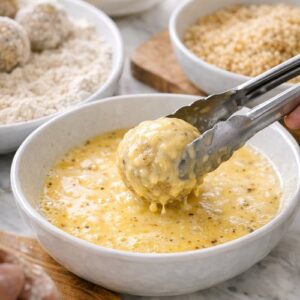
- Working with one ball at a time, roll it gently in the flour mixture, shaking off excess. Then dip it into the egg-buttermilk mixture, coating completely. Finally, roll it in the panko breadcrumbs, pressing gently so the crumbs adhere. The buttermilk acts as your glue—it's stickier than plain egg and helps that golden crust cling. Place each breaded ball on your clean plate. If you have time, refrigerate the breaded balls for 15-30 minutes before frying—this helps the coating set and prevents shattering in the oil.
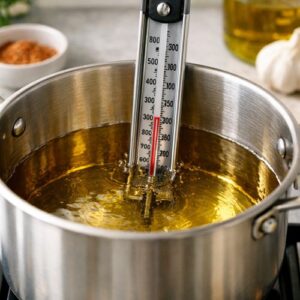
- Pour enough oil into a heavy-bottomed pot or Dutch oven to come about 3 inches up the sides. Use a thermometer—this is not a guess situation. Oil that's too cool will result in greasy balls; oil that's too hot will burn the outside before the inside heats through. At 350°F, you'll have about 3-4 minutes of frying time. This temperature is your sweet spot for perfect doneness. While the oil heats, line a plate with paper towels.
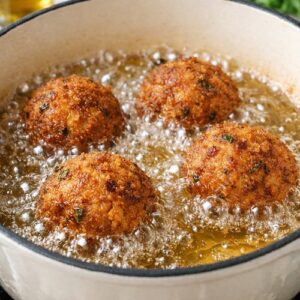
- Carefully place 4-5 boudin balls into the hot oil at a time—don't crowd the pot, as this drops the oil temperature and causes uneven cooking. Fry for 3-4 minutes until the breadcrumb coating is deep golden brown. You'll notice they'll float when done. Using a slotted spoon, remove them to your paper towel-lined plate. They'll continue crisping slightly as they cool. Work in batches until all balls are fried.
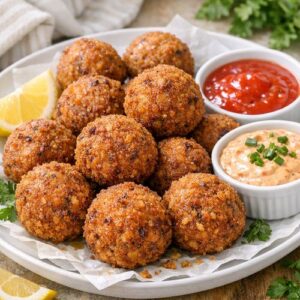
- Let your boudin balls rest for 2-3 minutes before serving. This allows the exterior to firm up and the interior to stay juicy. Serve immediately with your chilled Creole dipping sauce. The contrast between hot, crispy exterior and cool, tangy sauce is where the magic happens.
Notes
FAQs
Can I use a different sausage instead of boudin?
Technically yes, but you’ll be making a different dish. Boudin is special because it’s already seasoned and cooked—the flavors are built in. If you can’t find boudin, your best substitute is andouille sausage, which is similarly spiced and smoky. However, the texture and cultural authenticity will be different. I’d encourage you to order boudin online from a reputable Louisiana source if you can’t find it locally. It’s worth the effort.
What if my boudin balls are falling apart during frying?
This usually means one of three things: your oil isn’t hot enough (use a thermometer!), your boudin wasn’t chilled before breading, or you didn’t bread them thickly enough. The breading is your insurance policy—it holds everything together. Make sure you’re pressing the breadcrumbs on firmly in Step 5. If this happens, don’t panic. You can still eat them; they’ll just be messier. Next time, chill the shaped balls for at least 15 minutes before breading.
Is boudin already cooked?
Yes. This is important because it means you’re not cooking the sausage itself—you’re heating it through and crisping the exterior coating. This is why the frying time is relatively short (3-4 minutes). You’re essentially warming a fully cooked product and creating a golden crust around it.
Can I make these without deep-frying?
I won’t pretend air-frying or baking gives you the same result, but yes, you can try. Air-fry breaded boudin balls at 375°F for 10-12 minutes, shaking the basket halfway through. You’ll get crispness but lose some of that luxurious golden exterior. Baking at 375°F for 12-15 minutes is even less successful—the coating won’t crisp properly. If you’re concerned about the fat content of frying, remember that these are an appetizer meant to be shared, not eaten in large quantities.
What’s the difference between Creole seasoning and Cajun seasoning?
This is a great question because they’re often used interchangeably, but they’re subtly different. Creole seasoning (also called Creole spice) typically includes more paprika and garlic and often has a bit of sweetness. Cajun seasoning is usually spicier, with more cayenne, and is more rustic. For this recipe, either works, but Creole seasoning in the dip and Cajun in the optional breading coating gives you a nice balance. Don’t stress if you only have one—use what you have.
Can I make the dipping sauce less spicy?
Absolutely. Reduce or omit the hot sauce, use regular yellow mustard instead of spicy brown mustard, and add a teaspoon of honey to soften the flavors. The sauce will be milder but still flavorful. You’re not losing authenticity by adjusting to your heat preference—that’s respecting your own tradition of enjoying food.
More Fusion Recipes You’ll Love
- The Ultimate Crab Cakes Recipe – Another beloved Cajun-influenced appetizer that brings together coastal traditions with comfort food technique
- Cajun Fries Recipe – Simple potato sides elevated with Louisiana spicing that pair perfectly with boudin balls
- Hibachi Recipe – Another example of how cooking technique and cultural tradition can create unforgettable food at home
Final Thoughts
These Cajun boudin balls represent something I believe deeply: food is how we honor the people and places we love. When you make this recipe, you’re not just following instructions. You’re connecting to Louisiana’s beautiful culinary heritage, respecting the tradition of comfort food gathering, and creating something that only you can make in your kitchen.
I think about Marie’s grandmother standing at that stove, squeezing boudin into her hands, and I realize that’s what this recipe is really about. It’s about slowing down, respecting ingredients, and understanding that every technique—from the seasoning to the frying temperature to the cooling dip—serves a purpose. It’s about knowing that when you gather people around your table with food like this, you’re doing something that matters.
Your family won’t remember the calories or the technical details. They’ll remember how these tasted, how the kitchen smelled, and how you made them feel. That’s the real tradition worth honoring. Cook what makes you happy!
META DESCRIPTION: Learn how to make crispy Cajun boudin balls with this foolproof recipe. Includes dipping sauce, make-ahead tips, and troubleshooting advice from a registered dietitian specializing in comfort food.