This post contains affiliate links. As an Amazon Associate I earn from qualifying purchases.
This Cajun Shrimp And Sausage Recipe doesn’t just taste incredible—it stops people in their tracks. I learned early in my career as a dietitian that the most nourishing meals are the ones that make you feel something before you even take the first bite. This dish does exactly that. The colors alone tell a story of comfort and celebration, and the flavors deliver on that promise every single time.
What I love most about this recipe is how it proves that food doesn’t have to be complicated to be beautiful or deeply satisfying. When I was growing up in Maryland, my grandmother would make versions of this dish for family gatherings, and I watched how it brought people together—how the aroma alone made everyone linger in the kitchen a little longer. Now I make it regularly, and I want to share exactly how you can create this magic in your own home.
The Most Beautiful Cajun Shrimp And Sausage Recipe You’ll Ever Make (And It’s Easier Than It Looks)
I’ll never forget the first time I plated this dish for guests. I wasn’t thinking about nutrition or technique in that moment—I was thinking about how the vibrant peppers glistened against the perfectly browned sausage, how the shrimp curled into those beautiful pink crescents, and how the whole skillet looked like edible art. One of my guests actually paused before eating and asked to take a photo. That’s when I realized this recipe had transcended the ordinary.
Visual presentation matters more than we give it credit for. Research shows that we taste with our eyes first, and when a dish looks as good as this one, we’re already primed to enjoy it more deeply. The beauty of this Cajun Shrimp And Sausage Recipe isn’t accidental—it’s built into every ingredient choice and cooking technique.

The Visual Elements That Make This Dish Stunning
Every element of this dish contributes to its visual impact. As a registered dietitian, I’ve learned that the most colorful plates are typically the most nutritious ones. This recipe proves that principle beautifully while delivering authentic Cajun flavor that tastes like home.
- A rainbow of bell peppers – The red, green, and orange varieties create a natural gradient across your plate. These aren’t just pretty; they each bring different levels of sweetness and subtle flavor variations. Red peppers are sweeter and signal ripeness, while green peppers have an earthier character.
- Contrast in texture – The slightly charred, caramelized edges of the sausage against the tender snap of the peppers and the delicate, just-cooked shrimp create visual interest and textural complexity. This contrast is what keeps your eye moving across the plate.
- The composition of color – Deep mahogany sausage, bright peppers, pink shrimp, and the verdant pop of fresh green onions scattered across the top create a composition that draws the eye naturally from center to edge. It feels abundant and celebratory.
Choosing Ingredients for Maximum Visual Impact

I approach ingredient selection like an artist approaches a palette. Each element needs to contribute not just flavor and nutrition, but visual harmony. The ingredients in this recipe work together to create a dish that’s as pleasing to look at as it is to eat.
- 2 tablespoons avocado oil or ghee (creates the glossy finish that makes everything look fresh and vibrant)
- 12 ounces andouille sausage, sliced into rounds (the deep mahogany color is essential for visual depth and contrast)
- 1 tablespoon fresh parsley, roughly chopped (adds another layer of fresh green and herb brightness)
- 1 medium red bell pepper, sliced into strips (the brightest, most eye-catching color)
- Juice of 1 fresh lemon (brightness that lifts the entire dish)
- ½ tablespoon Cajun seasoning, plus more to taste (the spice blend that brings everything together)
- Sea salt and freshly ground black pepper to taste (enhances all flavors without muddying colors)
- ¼ cup fresh green onions, sliced on a bias (the final garnish that adds height and a pop of fresh green)
- 1 medium green bell pepper, sliced into strips (provides earthy contrast and visual balance)
- 1 medium orange bell pepper, sliced into strips (the unexpected warm tone that ties the composition together)
- 1 tablespoon garlic, minced very finely (builds foundational flavor without visible texture)
- 1 pound large shrimp, peeled and deveined (choose 16-20 count for visual impact—they’re meaty enough to show their beautiful curl)
- ½ medium yellow onion, sliced into thin crescents (adds subtle sweetness and light coloring)
How to Make Picture-Perfect Cajun Shrimp And Sausage Recipe
I’m going to walk you through this step-by-step, but I want you to know that this is one of those recipes where you’re not just following instructions—you’re creating something. Pay attention to the colors as they develop, the aromas as they shift, and how the ingredients transform together. This is where the magic happens.
Step 1: Prepare Your Mise en Place (Everything in Its Place)
Before you turn on the heat, take five minutes to prep all your ingredients. Slice your bell peppers into uniform strips—this isn’t just about cooking evenly, it’s about creating visual consistency across the plate. Mince your garlic finely so it disappears into the oil and seasons everything evenly. Peel and devein your shrimp, and pat them completely dry with paper towels. This step is crucial for achieving that beautiful sear on the shrimp. Wet shrimp will steam instead of caramelize, and you’ll lose that gorgeous color development.

Step 2: Heat Your Skillet and Add Fat
Use a large skillet—I prefer cast iron or stainless steel for this dish because they retain heat evenly and create that beautiful fond (those browned bits) that flavor everything. Heat your skillet over medium-high heat for about two minutes until you see the slightest shimmer across the surface. Add your avocado oil or ghee and let it heat for another 30 seconds until it’s shimmering and fragrant.
This moment matters for visual development. The temperature of your fat when ingredients hit it determines how quickly they’ll brown and what color they’ll develop. Too cool, and you’ll steam your ingredients. The right temperature gives you that beautiful caramelization.

Step 3: Bloom Your Garlic
Add your minced garlic to the hot fat and let it cook for just about 45 seconds to 1 minute. You’re looking for it to become fragrant and very lightly golden—not brown. This step, called blooming, awakens the flavor compounds in the garlic and distributes them throughout your fat. Watch it carefully; garlic burns quickly and can turn bitter. The aroma should be intoxicating and sweet, never acrid.

Step 4: Brown Your Sausage
Add your sliced andouille sausage to the hot fat. Let it cook undisturbed for about 2 minutes on the first side—this is when the browning magic happens. The natural sugars in the sausage caramelize and create those deep mahogany edges that are so visually stunning. Flip each slice and cook for another 2 minutes. The sausage should have a dark, caramelized crust on both sides. At this point, your skillet will smell absolutely incredible—that’s the Maillard reaction creating complex, savory flavors.

Step 5: Add Your Peppers and Onions
Add your sliced bell peppers and yellow onion to the skillet with the sausage. This is where I like to sprinkle about a quarter teaspoon of salt and a pinch of black pepper, plus a quarter teaspoon of your Cajun seasoning. The vegetables will start to release their moisture and soften as they warm through. Cook for about 3 to 4 minutes, stirring occasionally, until the peppers have softened slightly but still maintain their bright color and slight crunch.
The peppers will start to char slightly on the edges—this is perfect. Those charred bits add deep flavor and visual texture. The vegetables should still look vibrant and defined, not mushy or dull. You’re building layers of flavor and color here.

Step 6: Introduce Your Shrimp
Push everything in the skillet toward the edges, creating a small space in the center. Add a small amount of additional oil if needed, and add your shrimp in a single layer. Let them cook undisturbed for about 1 minute—this creates that pink, caramelized exterior that’s so visually appealing. Toss everything together gently and cook for another 1 to 2 minutes until the shrimp are completely opaque and cooked through.
Shrimp cook quickly, and overcooked shrimp will toughen. They’re done when they’ve turned from translucent gray to a beautiful bright pink and formed that characteristic curl. The entire cooking time for the shrimp is typically 2 to 3 minutes maximum. This is the most important moment for timing in the entire recipe.

Step 7: Finish with Brightness and Heat
Remove the skillet from heat. Squeeze your fresh lemon juice over everything—about 2 tablespoons total from one large lemon. The acidity brightens all the flavors and adds visual clarity to the dish. Sprinkle your remaining Cajun seasoning (start with a quarter teaspoon and add more to taste), scatter your sliced green onions and fresh parsley over the top, and finish with a few grinds of fresh black pepper.
The fresh green onions and parsley are your final visual statement—they add height, freshness, and that beautiful pop of color that makes the whole dish feel alive. Taste as you go. You can always add more seasoning, but you can’t take it back.

The Plating Masterclass
Now that your dish is cooked beautifully, let’s talk about how to present it so every element shines. Plating is where technique becomes art, and it’s a skill that transforms a good home-cooked meal into something that feels special and intentional.
- Create height and movement – Rather than spreading everything flat across the plate, use tongs to lift components and create vertical interest. Stack some of the sausage pieces slightly on top of the peppers. Lean the shrimp against the vegetables rather than laying them flat. This creates visual drama and makes the plate more interesting to look at.
- Distribute the sauce strategically – The oil and juices in the skillet are liquid gold—they’re seasoned and delicious. Use a spoon to drizzle some of these pan juices around the plate, not just on top. Leave some negative space (empty plate space) so the colors can breathe and the composition doesn’t feel crowded.
- Garnish as the final layer – Add your green onions and fresh parsley just before serving, when the dish is still steaming. Fresh herbs look best when they haven’t had time to wilt. I often add them at the table for maximum visual impact, and honestly, it’s a beautiful moment in itself.
Photography Tips for This Dish
If you’re making this for social media or just want to capture the beauty of what you’ve created, here’s how to photograph it like a professional.
- Use natural light whenever possible – Photograph within an hour of cooking, near a window that gets diffused light. The bright colors of this dish—the reds, oranges, and greens—come alive in natural light. Avoid harsh overhead lighting, which can create shadows and wash out the vibrant colors.
- Shoot from a slight angle above – Rather than straight down, position your camera at about 45 degrees above the plate. This angle captures both the colors and the height of the plating, showing the beautiful composition you’ve created. It’s the most flattering angle for skillet dishes.
- Keep the background simple and complementary – A neutral linen napkin, a simple wooden surface, or a matte ceramic plate will make your food the star. Avoid competing patterns or busy backgrounds. Your gorgeous food deserves to be the main attraction.
Seasonal Color Variations
One of the joys of this recipe is how adaptable it is to whatever produce is at its peak in your region. Here’s how I adjust the visual palette by season while maintaining that authentic Cajun flavor.
Spring: In spring, when my local peppers are just coming in, I focus on brighter colors. Add some thin asparagus spears in the last minute of cooking for a delicate green element. The asparagus adds visual height and a fresh quality that feels seasonal.
Summer: Summer calls for the most vibrant peppers—deep reds, bright yellows, and orange varieties that are at their sweetest. Add fresh corn kernels with your peppers for textural interest and a pop of yellow. A squeeze of lime instead of lemon feels seasonal and bright.
Fall: In autumn, I use roasted red peppers (which have a deeper color) and add some caramelized onions for richness. The deeper tones feel more grounded and comforting as the weather cools. Fresh thyme adds a subtle seasonal herb note.
Winter: Winter is when I might add roasted red peppers (which have a deeper, richer color) and use more yellow onions for warmth. The whole dish feels a bit more robust and grounding. Fresh rosemary adds a winter herb quality.
Expert’s Nutritional Tip: Why This Dish Works So Well
As a registered dietitian, I want to share why this recipe is nutritionally intelligent beyond just tasting good. Shrimp is an excellent source of selenium and B12, nutrients that support energy production and metabolism. The variety of colored peppers provides different phytonutrients—red peppers are rich in lycopene, green peppers provide lutein, and orange peppers offer beta-carotene. Together, they create nutritional diversity on a single plate.
The fat from the oil or ghee isn’t something to fear; it’s essential for absorbing these fat-soluble vitamins. The Cajun spices—which typically include cayenne, paprika, and other warming spices—have been shown in research to have anti-inflammatory properties. This is food that nourishes at every level, which is exactly what comfort food should do.
Can I Store Cajun Shrimp And Sausage Recipe?
Yes, though I’ll be honest with you—this dish is truly best enjoyed fresh from the skillet. However, life happens, and leftovers are a gift.
In the refrigerator: Store any leftovers in an airtight container for up to 2 days. The shrimp will keep safely for this timeframe, though the texture will soften slightly. Reheat gently in a skillet over medium heat with a splash of water or broth until warmed through—about 3 minutes. Don’t microwave, as this can toughen the shrimp further.
Freezing: While the texture of shrimp changes somewhat in the freezer, you can freeze this dish for up to 1 month in a freezer-safe container. Thaw overnight in the refrigerator before reheating. The peppers and sausage freeze beautifully; the shrimp will be slightly softer, but still delicious.
Make-ahead tip: I often prep all my ingredients the morning of serving—slice the peppers, mince the garlic, devein the shrimp. Store everything in separate containers in the refrigerator. When dinner time comes, the actual cooking takes only about 10 minutes. This is comfort food that fits into a busy life.
Make-Ahead Guide: Meal Prep Like a Pro
One of the reasons I love this recipe is how beautifully it fits into a meal prep strategy. Here’s how I prepare this during my weekly cooking session.
Prep the vegetables: On my meal prep day, I slice all my bell peppers and onion, storing them in separate containers with paper towels to absorb excess moisture. Properly prepped vegetables last about 4 days in the refrigerator. Keep the green onions and parsley separate—these are best added fresh just before cooking.
Prepare the protein: Devein and pat dry your shrimp, storing them in a container lined with paper towels in the coldest part of your refrigerator. Slice your sausage and store separately. Both will keep for 3 days this way.
Measure your seasonings: Mix your Cajun seasoning into a small bowl with the salt and pepper you’ll need. This takes the guesswork out of cooking when you’re hungry and in a hurry. Sometimes the simplest organizational hack makes the biggest difference.
The actual cooking: When you’re ready to cook, everything comes together in under 10 minutes. This is when meal prep becomes a game-changer for busy weeknights. You’re not just saving time; you’re setting yourself up for success.
Common Mistakes to Avoid
I’ve made many mistakes with this recipe over the years, and I want to help you skip that learning curve. Here are the most common pitfalls I see people run into.
Mistake 1: Overcrowding the skillet. If your skillet is too full, steam builds up and prevents proper browning. Use a large skillet (at least 12 inches) or work in batches. Your sausage should have space around each piece to develop that gorgeous crust.
Mistake 2: Moving things around too much. I see people constantly stirring and flipping their sausage and peppers. Resist this urge. Let things sit in the hot skillet for a minute or two to develop color before stirring. This is how you get that beautiful caramelization.
Mistake 3: Adding shrimp to a too-cold skillet. Your cooking vessel needs to be hot enough to sear the shrimp quickly. If your skillet has cooled down significantly after adding the vegetables, increase your heat for 30 seconds before adding the shrimp. Cold shrimp in a cool skillet will become tough and rubbery.
Mistake 4: Cooking the shrimp too long. This is the most common mistake I see home cooks make. Shrimp cook so quickly—we’re talking 2 to 3 minutes total. Set a timer if you need to. Overcooked shrimp are the one thing that can really disappoint in an otherwise perfect dish.
Nutrition Information
Per serving (approximately 1 generous cup, serves 4):
Calories: 285 | Protein: 32g | Fat: 14g | Carbohydrates: 8g | Fiber: 2g | Sodium: 720mg | Cholesterol: 215mg
This nutrition information is estimated based on USDA data. The protein in this dish comes primarily from the shrimp and sausage, making it an excellent choice for anyone looking to build or maintain muscle. The fat is mostly from the cooking oil and the natural fat in the sausage, and these are important for nutrient absorption and satiety.
What I love most from a nutritional standpoint is the fiber and phytonutrients from the variety of peppers. Each color represents different beneficial plant compounds. Red peppers have the highest vitamin C content, which supports immune function. This is comfort food that actually supports your body’s needs.
What to Serve Alongside for a Complete Visual Spread
This dish is beautiful on its own, but when you’re planning a complete meal, here’s what I’d serve alongside it to create a visually cohesive and nutritionally balanced spread.
I’d start with a bed of cauliflower rice or white rice, which provides a neutral canvas that lets the vibrant colors of your shrimp and sausage shine. Try serving it over Arroz Amarillo Recipe, which is a golden rice dish that creates beautiful visual harmony with the warm tones in your skillet. The turmeric adds both color and a subtle earthy note that complements Cajun flavors beautifully.
For a fresh element, I’d add a simple side salad with mixed greens and a lime vinaigrette. The bright acidity echoes the lemon in your main dish, and the green provides a visual contrast. You could also serve Avocado Salsa Dip Recipe on the side for scooping—it adds another layer of green and fresh flavor without feeling heavy.
If you want something warm and starchy, Cajun Fries Recipe would be a perfect partner, echoing the Cajun seasoning theme while adding textural contrast. The golden-brown fries create warmth on the plate that ties everything together.
For a more refined presentation, serve this alongside something simple like steamed broccoli or sautéed zucchini. The green vegetable adds freshness and balances the richness of the main dish.
- Cauliflower or white rice – provides a neutral base that highlights the vibrant colors of your shrimp and sausage
- Fresh green salad – adds brightness, crunch, and fresh acidity that echoes the lemon
- Warm cornbread or crusty bread – essential for soaking up the pan juices and creating a complete, satisfying meal
- Steamed or sautéed green vegetables – adds nutritional balance and visual freshness

Cajun Shrimp And Sausage Recipe
Ingredients
Method
- Before you turn on the heat, take five minutes to prep all your ingredients. Slice your bell peppers into uniform strips—this isn't just about cooking evenly, it's about creating visual consistency across the plate. Mince your garlic finely so it disappears into the oil and seasons everything evenly. Peel and devein your shrimp, and pat them completely dry with paper towels. This step is crucial for achieving that beautiful sear on the shrimp. Wet shrimp will steam instead of caramelize, and you'll lose that gorgeous color development.

- Use a large skillet—I prefer cast iron or stainless steel for this dish because they retain heat evenly and create that beautiful fond (those browned bits) that flavor everything. Heat your skillet over medium-high heat for about two minutes until you see the slightest shimmer across the surface. Add your avocado oil or ghee and let it heat for another 30 seconds until it's shimmering and fragrant. This moment matters for visual development. The temperature of your fat when ingredients hit it determines how quickly they'll brown and what color they'll develop. Too cool, and you'll steam your ingredients. The right temperature gives you that beautiful caramelization.

- Add your minced garlic to the hot fat and let it cook for just about 45 seconds to 1 minute. You're looking for it to become fragrant and very lightly golden—not brown. This step, called blooming, awakens the flavor compounds in the garlic and distributes them throughout your fat. Watch it carefully; garlic burns quickly and can turn bitter. The aroma should be intoxicating and sweet, never acrid.

- Add your sliced andouille sausage to the hot fat. Let it cook undisturbed for about 2 minutes on the first side—this is when the browning magic happens. The natural sugars in the sausage caramelize and create those deep mahogany edges that are so visually stunning. Flip each slice and cook for another 2 minutes. The sausage should have a dark, caramelized crust on both sides. At this point, your skillet will smell absolutely incredible—that's the Maillard reaction creating complex, savory flavors.

- Add your sliced bell peppers and yellow onion to the skillet with the sausage. This is where I like to sprinkle about a quarter teaspoon of salt and a pinch of black pepper, plus a quarter teaspoon of your Cajun seasoning. The vegetables will start to release their moisture and soften as they warm through. Cook for about 3 to 4 minutes, stirring occasionally, until the peppers have softened slightly but still maintain their bright color and slight crunch. The peppers will start to char slightly on the edges—this is perfect. Those charred bits add deep flavor and visual texture. The vegetables should still look vibrant and defined, not mushy or dull. You're building layers of flavor and color here.

- Push everything in the skillet toward the edges, creating a small space in the center. Add a small amount of additional oil if needed, and add your shrimp in a single layer. Let them cook undisturbed for about 1 minute—this creates that pink, caramelized exterior that's so visually appealing. Toss everything together gently and cook for another 1 to 2 minutes until the shrimp are completely opaque and cooked through. Shrimp cook quickly, and overcooked shrimp will toughen. They're done when they've turned from translucent gray to a beautiful bright pink and formed that characteristic curl. The entire cooking time for the shrimp is typically 2 to 3 minutes maximum. This is the most important moment for timing in the entire recipe.

- Remove the skillet from heat. Squeeze your fresh lemon juice over everything—about 2 tablespoons total from one large lemon. The acidity brightens all the flavors and adds visual clarity to the dish. Sprinkle your remaining Cajun seasoning (start with a quarter teaspoon and add more to taste), scatter your sliced green onions and fresh parsley over the top, and finish with a few grinds of fresh black pepper. The fresh green onions and parsley are your final visual statement—they add height, freshness, and that beautiful pop of color that makes the whole dish feel alive. Taste as you go. You can always add more seasoning, but you can't take it back.

Notes
FAQs
Can I make this dish ahead and reheat it?
You can absolutely prepare this ahead, though I recommend cooking it just before serving if possible. If you need to make it ahead, store it in an airtight container in the refrigerator for up to 2 days. To reheat, place it in a skillet over medium heat with a splash of water or broth, and warm gently until heated through—about 5 minutes. Add fresh green onions and parsley just before serving to restore the visual appeal. Avoid the microwave, as it can toughen the shrimp and make the peppers mushy.
What type of shrimp should I use?
I recommend 16-20 count shrimp (meaning about 16-20 shrimp per pound). These are large enough to develop a beautiful sear and cook through evenly, but not so large that they become tough. Avoid smaller shrimp, which can turn rubbery. If your shrimp are frozen, thaw them overnight in the refrigerator and pat them completely dry before cooking—wet shrimp won’t brown properly.
Is there a vegetarian version of this recipe?
Absolutely. Replace the andouille sausage with sliced smoked mushrooms or a vegetarian sausage alternative. Use extra-large shrimp or substitute firm tofu, pressed well to remove moisture. The cooking time remains the same. The visual impact will be slightly different without the mahogany sausage, but it will still be beautiful and delicious.
How spicy is this dish, and can I adjust the heat level?
The heat level depends entirely on your Cajun seasoning blend. If you use a mild blend, this dish will be very gentle. If you use a spicy blend, it will have significant heat. Start with half the seasoning called for, taste, and add more to your preference. You can also add fresh diced jalapeño when you add the peppers for extra heat, or reduce the Cajun seasoning if you’re cooking for people who prefer milder flavors. The beauty of this recipe is how customizable it is.
What’s the best oil to use for cooking?
I use avocado oil because it has a high smoke point (around 500°F) and neutral flavor that doesn’t compete with the Cajun spices. Ghee is also excellent and adds a subtle richness. You can use refined coconut oil or a high-heat vegetable oil if that’s what you have on hand. Avoid olive oil for the high-heat cooking, though you can drizzle some on at the end for richness. The fat you choose should be able to withstand medium-high heat without smoking.
More Visually Stunning Recipes
- this simple cake – Golden-brown exterior with that beautiful textural contrast, these are another showstopper seafood dish
- Hibachi Recipe – Theatrical cooking with vibrant vegetables and proteins that create visual interest on the plate
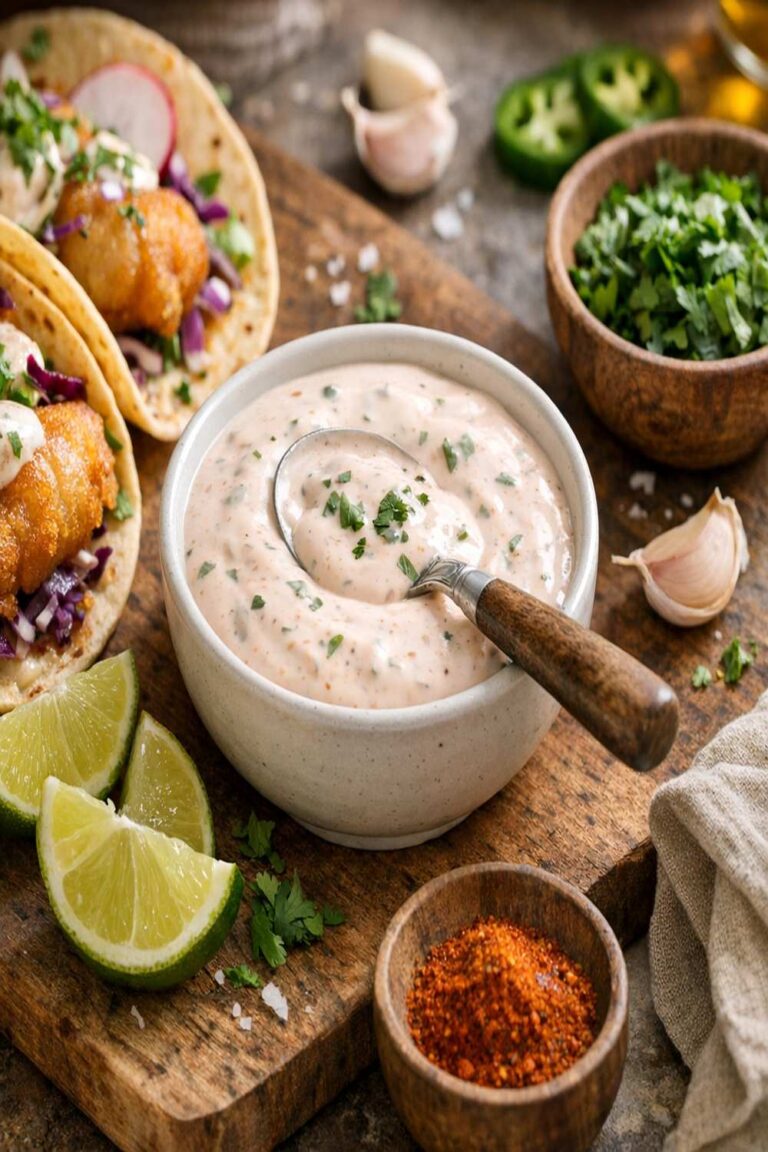
- Batter Recipe For Fish Tacos – Crispy golden fish with fresh toppings create a beautiful composed dish
The Joy of Feeding Both Eyes and Soul
I created this guide because I believe that how we plate our food matters. It matters because we eat with our eyes first, because presentation shows people we care, and because beautiful food tastes better—that’s science and emotion working together.
This Cajun Shrimp And Sausage Recipe has become one of my go-to dishes for exactly this reason. It’s restaurant-quality beautiful, but it comes together in your own kitchen in less than 15 minutes. It’s comfort food at its finest—food that nourishes your body with quality protein and vitamins, that satisfies your soul with warm spices and bold flavors, and that feeds something deeper when you share it with people you love.
The next time you make this, slow down for a moment before you eat. Look at what you’ve created. Notice the colors, the textures, the way the light catches the pan juices. Then taste it and let yourself feel the warmth of the spices, the sweetness of the peppers, the tenderness of the shrimp. This is what food is meant to do—feed us completely.
Cook what makes you happy!