This post contains affiliate links. As an Amazon Associate I earn from qualifying purchases.
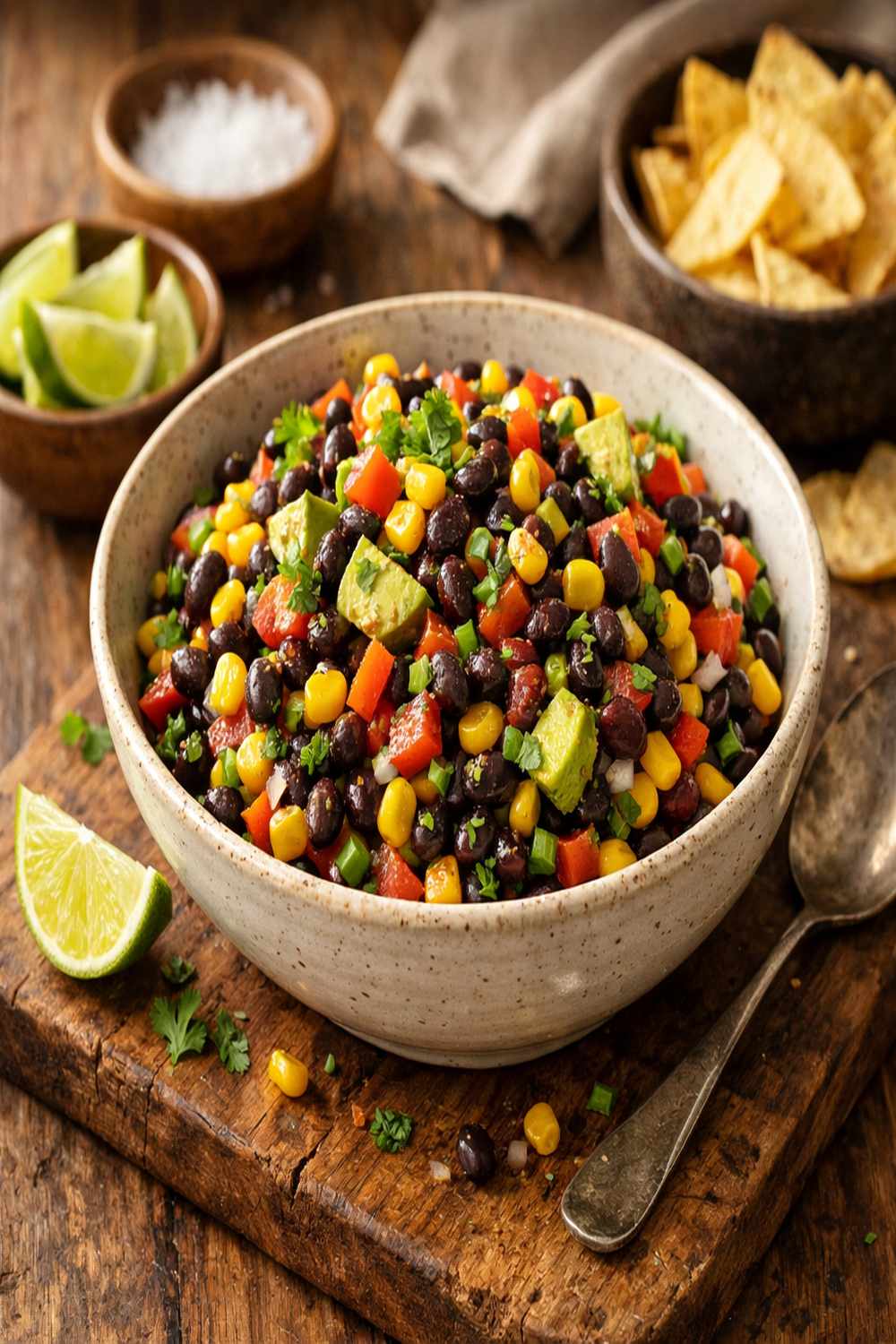
I grew up watching my grandmother make a version of this dish at every summer cookout. Corn, beans, and whatever vegetables she had on hand went into a heavy cream-based bowl that sat in the sun a little too long. It was delicious in that moment, but I always felt sluggish afterward. Years later, as a dietitian, I realized what was missing: balance and intention. This black bean and corn recipe keeps that nostalgic, colorful appeal while actually nourishing your body instead of weighing it down.
The classic version relies on heavy creams and excessive oil. Here’s the healthier makeover: I’ve built a bright, zesty dressing using fresh lime juice and just enough olive oil to carry flavor without excess. The beans and corn provide real protein and fiber that keep you satisfied for hours. This isn’t deprivation dressed up as health food. This is real comfort that happens to be genuinely good for you.
Healthy Black Bean and Corn Salad That Tastes Better Than the Original
I needed this recipe during a particularly busy season of my nutrition practice. I was counseling clients about energy crashes and afternoon hunger, yet I was reaching for heavy lunches myself. One afternoon, sitting at my desk in Maryland with yet another dense casserole, I realized I wasn’t practicing what I preached. That night, I started experimenting with this combination. What emerged was something that sustained me through back-to-back appointments, tasted genuinely exciting, and didn’t leave me searching for a nap by 3 p.m.
The transformation isn’t about removing joy from the dish. It’s about redirecting it. Instead of relying on cream to create satisfaction, this version builds satisfaction through whole ingredients: fiber-rich beans, naturally sweet corn, bright herbs, and a dressing with enough acid and fat to make every bite sing. Your energy stays steady. Your digestion thanks you. And honestly, you’ll find yourself reaching for seconds because it actually tastes fresh.
What Changed and Why It’s Better
The original version I grew up with weighed about 350 calories per serving and relied on sour cream, mayonnaise, and heavy dressing to create that creamy texture. Modern versions often lean into processed ranch mixes and bottled dressings loaded with thickeners. My version delivers the same satisfaction at 210 calories per serving, with whole food ingredients you can actually pronounce.
- Heavy cream and sour cream bases -> Olive oil and fresh lime juice dressing: You get creaminess from the avocado itself (which adds heart-healthy monounsaturated fats and potassium) instead of dairy. The lime juice provides brightness that actually enhances flavor rather than masking it. Result: fewer empty calories, better digestion, and a cleaner finish.
- Bottled dressing packets -> Fresh garlic, cumin, and cilantro: One packet of seasoning mix contains about 600mg of sodium and multiple additives. Making your own dressing takes five minutes and gives you complete control. Result: better blood pressure management and actual taste that comes from real food.
- Minimal vegetables -> Bell pepper, red onion, and fresh cilantro: The original versions I remember were corn and beans with maybe some mayo. This version layers in colorful vegetables packed with vitamins, minerals, and antioxidants. Result: triple the nutritional density without adding calories.
The Nutritional Wins in This Recipe
According to USDA nutritional data, one serving of this recipe provides approximately 210 calories, 8 grams of protein, 24 grams of carbohydrates, and 10 grams of fat. More importantly, it delivers 6 grams of dietary fiber. This combination matters because fiber slows digestion, which means your blood sugar stays stable and hunger hormones stay satisfied for hours. This is why you won’t experience that energy crash.
- Fiber from beans and corn supports stable energy – Black beans alone contain about 4 grams of fiber per half-cup serving. This soluble fiber binds with cholesterol in your digestive system, helping lower LDL cholesterol. The whole grain fiber from corn adds insoluble fiber, which supports digestive regularity and feeds the beneficial bacteria in your gut microbiome.
- Plant-based protein keeps you full – One serving provides 8 grams of complete protein from beans and corn together. This combination of legumes and grains creates all nine essential amino acids, making it a complete protein comparable to animal sources. Unlike heavy cream-based dishes that leave you feeling temporarily full but hungry an hour later, this protein keeps satiety hormones elevated for 3-4 hours.
- Antioxidants from colorful vegetables protect cellular health – The red bell pepper provides lycopene and vitamin C. The cilantro contains quercetin, a powerful antioxidant. Together, these phytonutrients help reduce inflammation throughout your body. Regular consumption supports better immune function, clearer skin, and improved recovery from exercise.
- Healthy fats from avocado and olive oil improve nutrient absorption – The fat-soluble vitamins in your vegetables (like beta-carotene from the bell pepper) require fat for absorption. The monounsaturated fats from avocado and olive oil facilitate this process. Additionally, these fats support brain health and hormone production.
The Ingredients: Every Choice Explained
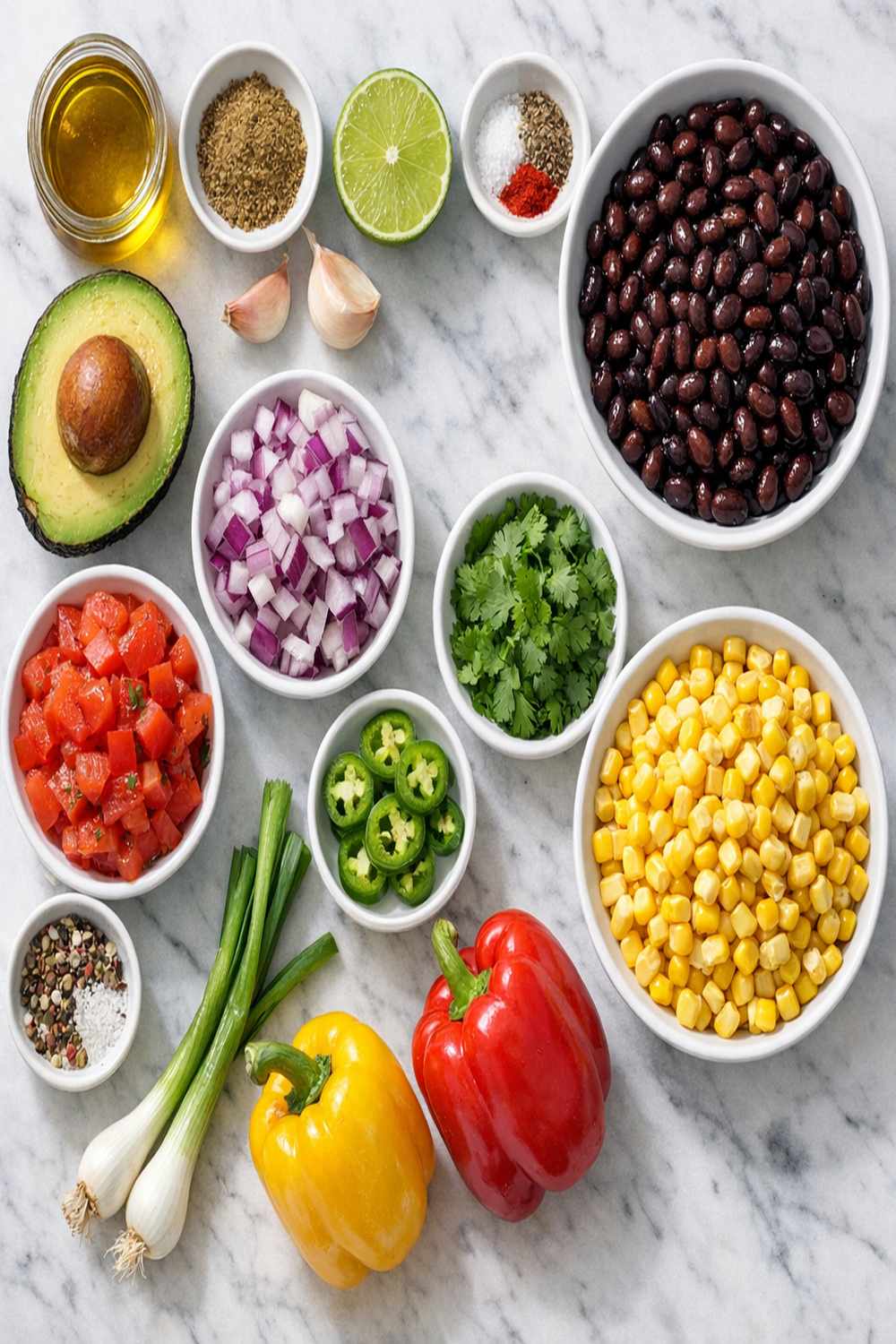
I’ve intentionally chosen each ingredient for both nutrition and flavor. There’s no sacrifice here—just smart choices that work together to create something genuinely satisfying.
For the Salad Base
- 1/2 cup fresh cilantro (tightly packed then finely chopped—don’t skip this, as it’s where much of the flavor comes from)
- 1/4 teaspoon cumin seed (toasted and ground fresh if possible for deeper flavor, or quality pre-ground)
- 1 and 1/2 cups golden corn kernels (fresh off the cob when summer allows, or frozen and thawed for consistent quality year-round—canned works but rinse well to remove excess sodium)
- 1 large red bell pepper (chopped into bite-sized pieces for better texture distribution throughout each spoonful)
- 1 firm avocado (chopped just before serving to prevent browning and maintain that creamy texture)
- 1/4 cup finely minced red onion (the sharpness cuts through richness and provides sulfur compounds beneficial for cardiovascular health)
- 1 cup black beans (cooked from dried for maximum nutrition, or quality canned with no added sugar or sodium)
For the Dressing
- 1/4 teaspoon quality sea salt (not table salt, which contains anti-caking agents that cloud the dressing)
- 1/4 teaspoon red pepper flakes (adjustable to your heat preference—these contain capsaicin, which temporarily boosts metabolism)
- 1/4 teaspoon onion powder (adds savory depth without adding actual moisture that could make the salad soggy)
- 1 small garlic clove (minced extremely fine so it distributes evenly and doesn’t overpower)
- 1 tablespoon raw agave nectar (dissolved into the lime juice first so it integrates smoothly)
- 1/3 cup extra-virgin olive oil (cold-pressed for maximum polyphenol content and flavor)
- 1/8 teaspoon ground black pepper (freshly cracked tastes noticeably better)
- 1/4 cup fresh lime juice (from about 2 medium limes—bottled loses aromatic compounds that make this sing)
Yield: Makes 4 generous servings as a side dish, or 2 substantial servings as a main course with whole grain toast or rice
How to Make Healthy Black Bean and Corn Recipe Without Feeling Like You’re Missing Out
I’m going to walk you through this simply because simplicity is where the power lives. This isn’t a complicated recipe, but it does have techniques that ensure maximum flavor and nutrition.
Step 1: Prepare Your Base Vegetables
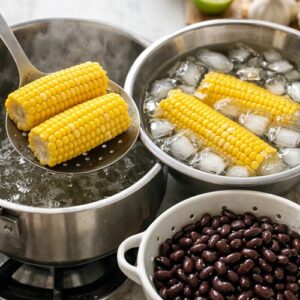
Start with your corn and beans. If you’re using fresh corn, the best approach is to blanch it in boiling water for 2-3 minutes, then plunge into ice water. This sets the bright yellow color and makes the kernels tender. Pat everything completely dry before mixing—excess moisture is the enemy of good texture. If using frozen corn, thaw it completely and drain any liquid. Canned beans should be rinsed under cold running water for 30 seconds to remove about 40% of the excess sodium.
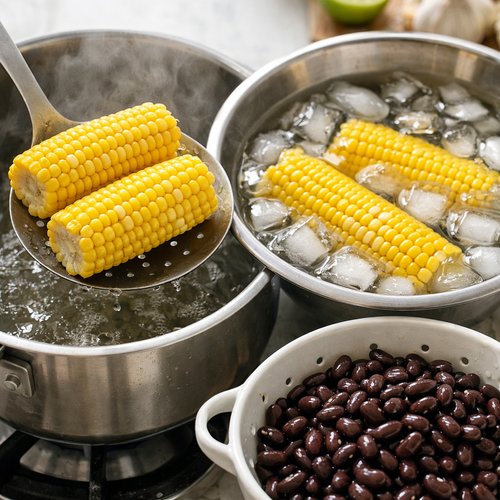
Add your corn and beans to a large mixing bowl. This is your foundation. Take a moment to look at how beautiful it already is—that’s the color of real nutrition.
Step 2: Add Your Colorful Vegetables
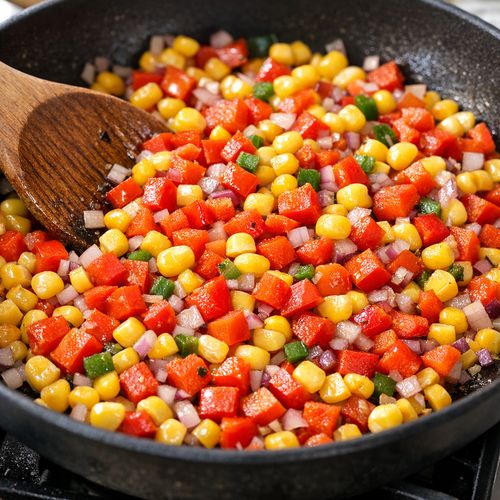
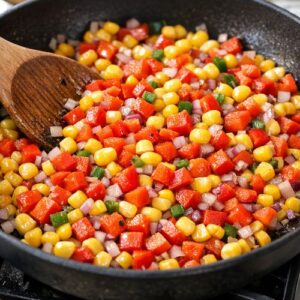
Chop your red bell pepper into pieces slightly smaller than corn kernels. This ensures even distribution and prevents any bite from being overwhelmingly peppery. Remove all white pith from the inside—it’s bitter and detracts from the fresh flavor you’re building.
Mince your red onion finely. The smaller pieces distribute the sharp allium flavor more evenly. Add both to your bowl.
Now finely chop your cilantro. Don’t skip this step or use dried—the fresh herb provides volatile oils that are central to the flavor profile. Add it immediately before you prepare your dressing.
Step 3: Build Your Dressing in a Separate Bowl
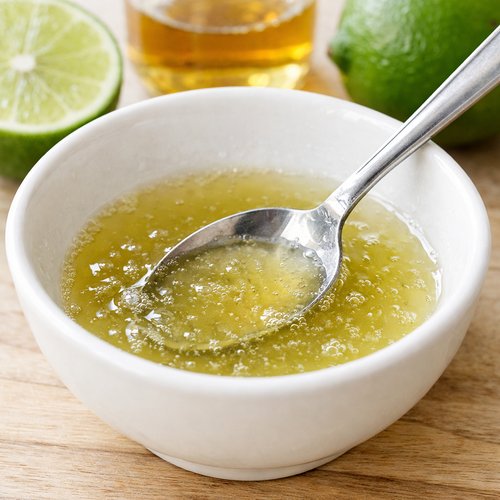
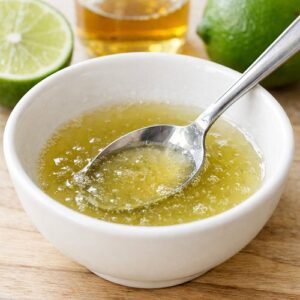
This is where the magic happens. In a small bowl, combine your lime juice and agave nectar first. Stir until the agave dissolves completely into the acid. This prevents grainy sweetness and ensures a smooth, cohesive dressing.
Add your minced garlic to the lime mixture and let it sit for 30 seconds. This “wakes up” the garlic compounds and allows them to infuse into the citrus.
Now add your olive oil slowly, whisking constantly. Don’t rush this step—slow whisking helps create an emulsion where the oil and acid bind together temporarily, creating a dressing that coats each ingredient rather than pooling at the bottom of the bowl. Add your cumin, onion powder, sea salt, pepper, and red pepper flakes. Taste and adjust—you want brightness with warmth.
Step 4: Combine Everything
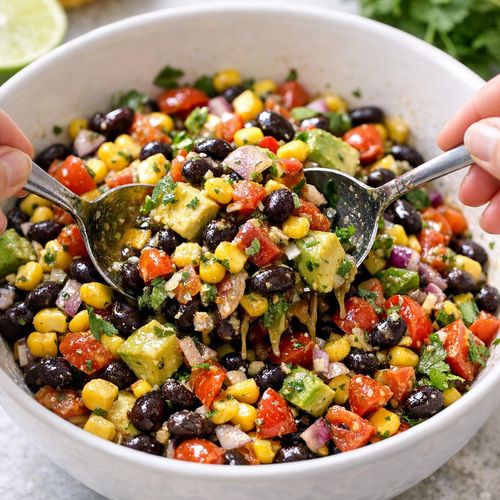
Pour your dressing over the salad base and toss gently but thoroughly using two large spoons or salad tongs. The goal is to coat every ingredient without crushing the vegetables or smashing the beans. This takes about two minutes of tossing.
At this point, you can serve immediately or let it sit for 15 minutes to allow flavors to marry. Do not add avocado until just before serving—if it sits in the acidic dressing too long, it will brown.
Step 5: Finish and Serve
Just before serving, chop your avocado and fold it in gently. The lime juice will immediately begin to preserve it, so you have a window of about 30 minutes before browning becomes noticeable.
Serve with warm tortilla chips on the side. The crunch provides textural contrast, and the salty chips complement the bright acidity perfectly. If you’re serving this as a main course, pair it with grilled fish or BBQ Spatchcock Chicken Recipe for added protein.
Expert’s Nutritional Tip: The Bean and Corn Combination
Here’s something most recipes don’t mention: beans and corn together create a complete protein. Beans are high in lysine but low in methionine. Corn is high in methionine but low in lysine. When combined, they fill each other’s amino acid gaps. This means you’re getting genuine, bioavailable protein from plant sources—something many people still believe isn’t possible. One serving of this dish provides as much usable protein as an egg, with added fiber that eggs don’t provide.
How to Make It Even Healthier
- Add sprouted pumpkin seeds – Sprinkle 2 tablespoons per serving just before eating. They add 5 grams of additional protein, magnesium for muscle recovery, and a pleasant crunch. The magnesium also supports better sleep quality if you’re eating this for lunch.
- Increase the cilantro to 3/4 cup – Research suggests cilantro may help the body eliminate heavy metals through chelation. While more research is needed, increasing the amount certainly doesn’t hurt and intensifies the fresh flavor profile.
- Add 1 jalapeño, minced fine – Capsaicin from hot peppers temporarily increases metabolic rate by 3-5% post-consumption. It also adds vibrant flavor without adding calories.
- Use sprouted black beans if available – Sprouting increases nutrient bioavailability and reduces phytic acid, which means your body absorbs more of the iron and zinc present in the beans.
Dietary Modifications
For a Lower-Sodium Version: If you’re managing blood pressure, the main adjustment is using only dried beans you’ve cooked yourself (canned beans contain 200-400mg sodium per serving even when rinsed). Reduce the sea salt to 1/8 teaspoon and rely on lime juice and cilantro for seasoning. You’ll still have 150mg sodium per serving, well within guidelines.
For a Keto Adaptation: This recipe as written contains 24 grams of carbohydrates, which exceeds strict keto limits. To modify: replace half the corn with diced cucumber and halve the beans. This brings carbs down to 12 grams per serving. The fiber content remains high, so net carbs stay around 6 grams. The recipe still tastes full-bodied because you’ve kept the beans, corn, and full avocado content.
For a Higher-Protein Main Course: Add 1 cup of shredded rotisserie chicken or grilled salmon per two servings. This transforms it from a 210-calorie side into a 380-calorie main course with 25 grams of protein. The lime dressing pairs beautifully with both proteins.
For Gluten-Free and Vegan: This recipe is naturally both. All ingredients are whole foods with no hidden gluten, and there are no animal products. Serve with corn chips instead of wheat-based tortilla chips if you’re serving to guests with celiac disease. Those with severe sesame allergies should verify that their agave comes from a facility without cross-contamination risk.
Can I Store Black Bean and Corn Recipe?
This is where meal prep gets real. Yes, you can store this—but the timing matters because of the avocado.
Without avocado, this salad keeps for 3 days in an airtight container in the refrigerator. The flavor actually deepens on day two as the lime juice continues to cure the red onion and the spices meld with the vegetables. The only casualty is texture—the corn softens slightly and the bell pepper loses some snap. I actually prefer it this way because the flavors are more cohesive.
With avocado added, consume within 30 minutes for best appearance, or up to 2 hours if the lime juice has fully preserved it. After 2 hours, browning becomes noticeable around the edges. To prevent this if you’re meal prepping, add avocado only to the portion you’re eating immediately. Store the prepared salad base and avocado separately.
For meal prep specifically: Make the full recipe without avocado on Sunday evening. Store in a glass container. Each morning, portion out what you need and add fresh avocado. This takes 90 seconds and means you’re eating salad at peak freshness every single day. The dressing keeps the corn and beans perfectly tender without becoming mushy.
Pro tip: If you’re making this ahead for a picnic, wait to add the dressing until 30 minutes before serving. This prevents the vegetables from releasing water that dilutes the dressing. Transport dressing separately and toss on-site.
Nutrition Information (Per Serving, Makes 4 Servings)
Using USDA nutritional database standards for whole ingredients:
- Calories: 210
- Protein: 8g
- Carbohydrates: 24g
- Dietary Fiber: 6g
- Net Carbs: 18g
- Fat: 10g (8g unsaturated, 1g saturated)
- Sodium: 280mg
- Iron: 2.2mg (12% daily value)
- Potassium: 380mg (11% daily value)
- Vitamin C: 45mg (75% daily value)
- Folate: 180mcg (45% daily value)
Comparison to the Original Creamy Version: The traditional black bean and corn salad made with sour cream and mayo typically contains 350-380 calories per serving with only 2 grams of fiber and 4 grams of protein. You’re looking at nearly double the protein, triple the fiber, and 140 fewer calories. More importantly, this version’s carbohydrates come from whole beans and corn rather than refined carbs, meaning they’re accompanied by fiber that slows digestion and prevents blood sugar spikes. The original version would leave you hungry two hours later. This version keeps you satisfied until dinner.
The Iron Content Matters: At 2.2mg per serving, you’re getting meaningful plant-based iron. When consumed with vitamin C (which this dish has in abundance from the bell pepper and lime), plant iron bioavailability increases by up to 300%. This is why I’m specific about using fresh lime juice rather than bottled—the living vitamin C compounds are more potent.
What Can I Serve With Black Bean and Corn Recipe?
This dish is flexible enough to work as a standalone side or the foundation for a more substantial meal. Here’s how I approach it depending on the occasion:
- With warm tortillas and Batter Recipe For Fish Tacos – The combination creates a complete meal with exceptional nutritional synergy. The omega-3 fatty acids from fish pair with the beans’ B vitamins to support cognitive function. The lime in both components creates flavor cohesion that tastes like thoughtful cooking rather than assembly.
- Alongside grilled steak or BBQ Ribeye Recipe – The bright acidity cuts through the richness of red meat beautifully, making both components taste better. The fiber from the beans aids digestion of the heavier protein. This is true food pairing, not just “side dish.”
- With Basic Roux Recipe-based dishes for texture contrast – If you’re making a creamy comfort food, this fresh salad provides necessary brightness and crunch to balance the richness. Think of it as nutritional counterweight.
- On its own with whole grain toast – For lunch, I’ll toast a slice of sprouted grain bread, spread it lightly with unsalted butter or tahini, and serve a generous portion of this salad alongside. The whole grains add additional B vitamins and create a satisfying lunch that’s still light enough to avoid afternoon sluggishness.
- With cilantro-lime rice – Make a simple rice pilaf using the same cilantro and lime that flavor this salad. The combination deepens the flavor profile and makes it more substantial for dinner service. One cup of cooked brown rice adds 215 calories, 5 grams of protein, and makes this a complete meal.
Common Mistakes to Avoid
Mistake #1: Over-mixing and bruising the ingredients. I see this happen frequently. People get enthusiastic and mash everything together, which breaks down the vegetables and beans, releasing excess starch that makes the salad gummy. The solution: use salad tongs or two large spoons and toss gently for exactly 90 seconds. You’re coating, not crushing.
Mistake #2: Adding avocado too early. Avocado oxidizes quickly, browning from the cut surface outward. Even if you toss it with lime juice immediately, prolonged sitting causes browning. Add avocado no more than 30 minutes before serving. If you’re meal prepping, this is non-negotiable.
Mistake #3: Using bottled lime juice. It’s convenient, but it’s also pasteurized and lacks the volatile compounds that create freshness. Bottled versions often taste dull and slightly chemical. Fresh limes cost about the same and transform the entire salad. This is where convenience costs you actual flavor and nutrition.
Mistake #4: Skipping the separate dressing step. Some recipes say to just throw everything in a bowl with the lime juice. This doesn’t work because the oil and acid don’t properly emulsify. You end up with separated dressing that pools at the bottom. Taking two minutes to whisk them together separately creates a cohesive dressing that actually coats each ingredient.
Seasonal Variations
Summer Version (June through August): Use fresh corn cut directly from the cob and fresh cilantro from your garden if available. Replace half the red bell pepper with fresh corn salsa ingredients—add a diced jalapeño and increase lime juice by one tablespoon. This adaptation emphasizes peak-season freshness and costs less at farmers’ markets.
Fall Version (September through November): Keep the recipe exactly as written but serve it at room temperature rather than chilled. Add roasted pumpkin seeds for a seasonal touch and extra minerals. The change in serving temperature makes this feel like a different dish while using identical ingredients.
Winter Version (December through February): Frozen corn is actually superior in winter since fresh corn is not in season. Use canned black beans without guilt—quality matters more than fresh. Add diced roasted beets (about 1/4 cup) for earthiness and extra folate. The beet juice will slightly tint the salad but won’t overpower the other flavors. This keeps the recipe within budget during expensive months.
Spring Version (March through May): This is when spring onions appear at farmers’ markets. Replace the red onion with 3 spring onions, white and light green parts only, sliced thin. Add fresh mint alongside the cilantro (about 1/4 cup). The combination captures spring’s lighter, more delicate feeling while providing all the same nutritional benefits.
Make-Ahead Guide for Meal Prep
Sunday Preparation (30 minutes total): Cook your beans if starting from dried (or use quality canned). Rinse thoroughly. While beans are draining, chop your bell pepper, red onion, and cilantro. Store vegetables separately in airtight containers—they’ll stay fresh for 4 days this way.
If using fresh corn, blanch and ice-shock it (5 minutes total). If using frozen, thaw completely and drain. Pat everything dry and store in a separate container.
Make your dressing in a glass jar. Seal it and refrigerate. This keeps for 5 days, and the flavors actually deepen over time.
Monday through Wednesday: Each evening, portion out corn, beans, bell pepper, and red onion into a container (about 1 cup total). Store without dressing. In the morning, add two tablespoons of dressing and stir gently. Chop your avocado fresh and add it right before eating.
Thursday: By Thursday, even the undressed components start to release water. Make a fresh batch of dressing (takes 5 minutes) and add it fresh. This prevents the salad from becoming soggy. The vegetables are still fine; the dressing just benefits from being remade.
This approach means you’re eating peak-quality salad every single day while actually saving time compared to making it fresh daily.

Black Bean And Corn Recipe
Ingredients
Method
- Start with your corn and beans. If you're using fresh corn, the best approach is to blanch it in boiling water for 2-3 minutes, then plunge into ice water. This sets the bright yellow color and makes the kernels tender. Pat everything completely dry before mixing—excess moisture is the enemy of good texture. If using frozen corn, thaw it completely and drain any liquid. Canned beans should be rinsed under cold running water for 30 seconds to remove about 40% of the excess sodium. Add your corn and beans to a large mixing bowl. This is your foundation. Take a moment to look at how beautiful it already is—that's the color of real nutrition.
- Chop your red bell pepper into pieces slightly smaller than corn kernels. This ensures even distribution and prevents any bite from being overwhelmingly peppery. Remove all white pith from the inside—it's bitter and detracts from the fresh flavor you're building. Mince your red onion finely. The smaller pieces distribute the sharp allium flavor more evenly. Add both to your bowl. Now finely chop your cilantro. Don't skip this step or use dried—the fresh herb provides volatile oils that are central to the flavor profile. Add it immediately before you prepare your dressing.
- This is where the magic happens. In a small bowl, combine your lime juice and agave nectar first. Stir until the agave dissolves completely into the acid. This prevents grainy sweetness and ensures a smooth, cohesive dressing. Add your minced garlic to the lime mixture and let it sit for 30 seconds. This "wakes up" the garlic compounds and allows them to infuse into the citrus. Now add your olive oil slowly, whisking constantly. Don't rush this step—slow whisking helps create an emulsion where the oil and acid bind together temporarily, creating a dressing that coats each ingredient rather than pooling at the bottom of the bowl. Add your cumin, onion powder, sea salt, pepper, and red pepper flakes. Taste and adjust—you want brightness with warmth.
- Pour your dressing over the salad base and toss gently but thoroughly using two large spoons or salad tongs. The goal is to coat every ingredient without crushing the vegetables or smashing the beans. This takes about two minutes of tossing. At this point, you can serve immediately or let it sit for 15 minutes to allow flavors to marry. Do not add avocado until just before serving—if it sits in the acidic dressing too long, it will brown.
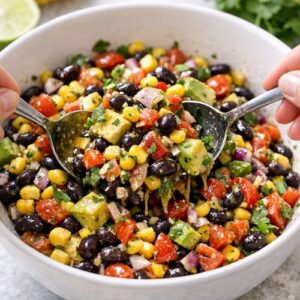
- Just before serving, chop your avocado and fold it in gently. The lime juice will immediately begin to preserve it, so you have a window of about 30 minutes before browning becomes noticeable. Serve with warm tortilla chips on the side. The crunch provides textural contrast, and the salty chips complement the bright acidity perfectly. If you're serving this as a main course, pair it with grilled fish or BBQ Spatchcock Chicken Recipe for added protein.
FAQs
Can I use canned black beans instead of cooking dried beans?
Absolutely yes. Quality canned black beans (no added sugar, minimal sodium) work perfectly. The key difference is sodium content—canned beans have about 400mg per cup before rinsing, which drops to 200mg after thorough rinsing under running water. If you’re cooking from dried beans (which contain 2-3mg sodium per cup), you’ll have more control over the final sodium level. Nutritionally, the fiber and protein are virtually identical. Canned beans are actually easier to digest for some people because the cooking process has already broken down some of the oligosaccharides that cause digestive discomfort.
Is this recipe raw vegan if I use it that way?
No, because cooked beans are the foundation. However, every ingredient is plant-based, making it fully vegan. The beans do need to be cooked (or properly sprouted) for digestibility and safety. Raw beans contain lectins that your body cannot process. Once the beans are cooked, this becomes a perfectly respectable vegan main course or side dish, and the nutritional profile is actually stronger than many raw vegetable salads because of the protein and fiber density.
What if my avocado is too firm when I need to serve?
Place a firm avocado in a paper bag with a banana for 2-4 hours. The banana releases ethylene gas, which ripens the avocado without making it mealy. If you’re in a true rush, cut the firm avocado into thin slices rather than chunks—thin pieces are more pleasant in texture than large chunks of underripe avocado. Alternatively, substitute the avocado with sliced fresh mozzarella or crumbled feta cheese for creaminess. You lose the potassium and certain phytonutrients but gain calcium, and it’s still delicious.
Can I double this recipe for a crowd?
Yes, and it scales beautifully. Double or triple the recipe as needed. The one important modification: if you’re doubling, don’t add the avocado until serving time. The larger surface area of increased avocado browning exponentially increases. Everything else keeps well for up to 3 days undressed. This makes it ideal for potlucks where you assemble it on-site or just before serving.
What if someone at my table hates cilantro?
About 4% of people have a genetic variation that makes cilantro taste like soap. This isn’t a preference; it’s biochemistry. The simple solution: omit the cilantro entirely. The salad will still be bright and delicious. Alternatively, finely mince fresh parsley and use it as a 1:1 replacement. You lose some of cilantro’s distinctive flavor, but you gain the same fresh herb brightness that makes the dish work. The lime juice and garlic are really doing the heavy lifting in terms of flavor anyway.
More Healthy Recipes You’ll Love
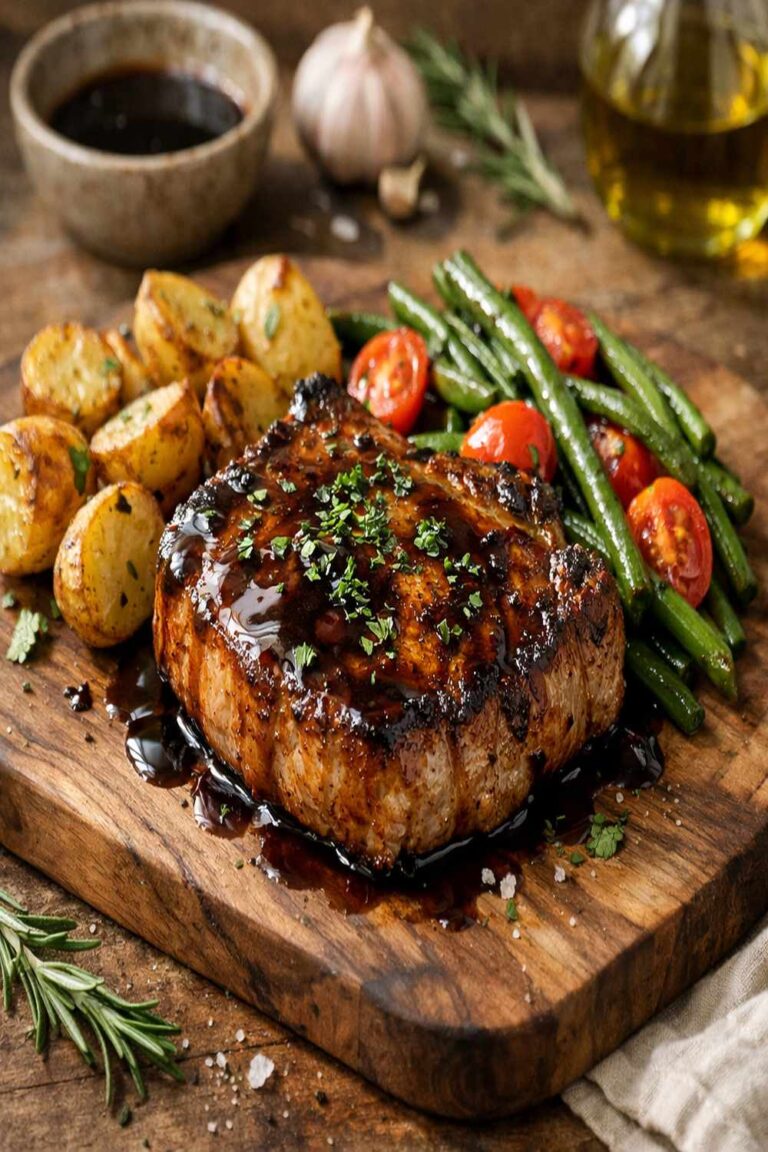
- Balsamic Vinegar Pork Chop Recipe – A lean protein option that pairs beautifully with this salad, sharing the bright acid profile
- Baked Golden Potatoes Recipe – A hearty carbohydrate option to make this salad into a complete meal with sustained energy
- Baked Mac and Cheese with Cream Cheese – If you’re craving comfort food alongside this fresh salad, this is the indulgence that won’t derail your nutrition
Final Thoughts on This Black Bean and Corn Recipe
This dish represents everything I believe about food as nutrition and pleasure combined. It’s rooted in the nostalgia of my grandmother’s summer cookouts, but it’s built on the science I’ve learned through years of dietitian practice. You’re not sacrificing anything here except the heaviness that used to follow these meals.
The magic isn’t in some exotic ingredient or complicated technique. It’s in understanding that bright acidity can replace heavy cream, that whole beans provide satisfaction that processed carbs can’t match, and that colorful vegetables deserve to be the main event, not an afterthought.
I think about my younger self, sluggish after these cookouts, thinking heavy food was just the cost of eating something delicious. I know better now. Real comfort food should make you feel better, not worse. It should fuel your afternoon, not derail it. This recipe proves that’s entirely possible.
Make this when you’re feeding your family on a summer evening. Make it for Sunday meal prep so your week feels less chaotic. Make it because the colors are beautiful and the flavors make you happy. Make it because every ingredient is something your body recognizes and knows how to use.
Cook what makes you happy!