This post contains affiliate links. As an Amazon Associate I earn from qualifying purchases.
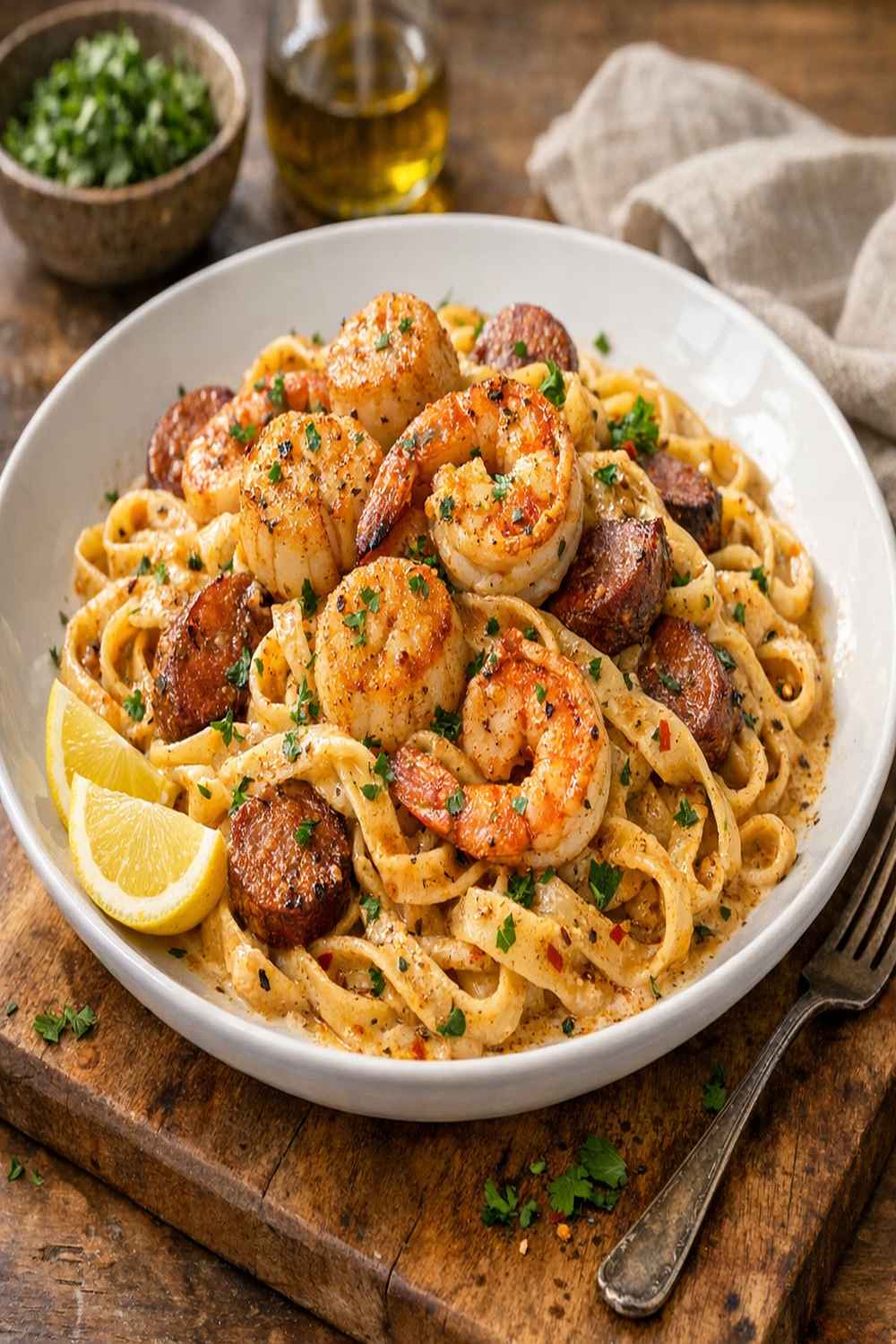
I remember the exact moment this dish came to life. It was a Tuesday night in my Baltimore kitchen, and I had leftover shrimp from a client dinner that morning. My first instinct was to toss it, but something stopped me. I pulled out my pantry staples—cream, butter, a jar of Cajun spice blend—and suddenly I wasn’t throwing away food. I was creating something that made my entire family gather around the table asking for seconds.
That’s the magic of understanding how simple ingredients transform into something that feels indulgent but nourishes your body just as well. This Cajun Seafood Pasta recipe is my answer to weeknight meals that satisfy both your taste buds and your need for real nutrition. Whether you’re using fresh shrimp or reviving leftovers, this dish proves that comfort food and balanced eating don’t have to be at odds.
Why This Cajun Seafood Pasta Belongs in Your Regular Rotation
As a registered dietitian, I’ve learned that the recipes people actually make are the ones that fit their life and taste delicious. This pasta checks both boxes. It comes together in under 30 minutes, uses ingredients most of us keep on hand, and delivers protein-rich shrimp with healthy fats from cream and olive oil. The Cajun spices add bold flavor without adding sodium overload—just the right amount to make you feel like you’re dining somewhere special.
I created this recipe because my clients kept asking the same question: “How do I make restaurant-quality food at home without spending an hour cooking?” This is my answer. The technique is straightforward, the ingredients are accessible, and the nutritional payoff is real.
Understanding the Cajun Flavor Profile
Before we cook, let’s talk about what makes Cajun cuisine work. It’s built on layering flavors—heat, depth, and brightness all working together. The spice blend brings warmth. The cream provides richness. The fresh shrimp adds delicate protein that can’t be rushed. When these elements come together with perfectly cooked pasta, you get a dish that feels fancy but tastes like home.
The beauty of this recipe is its flexibility. If you’ve ever had traditional Cajun Fries Recipe, you know the flavor profile we’re going for—bold, slightly spicy, deeply satisfying. This pasta takes those same flavor principles and applies them to seafood and cream sauce.
The Ingredients You’ll Need
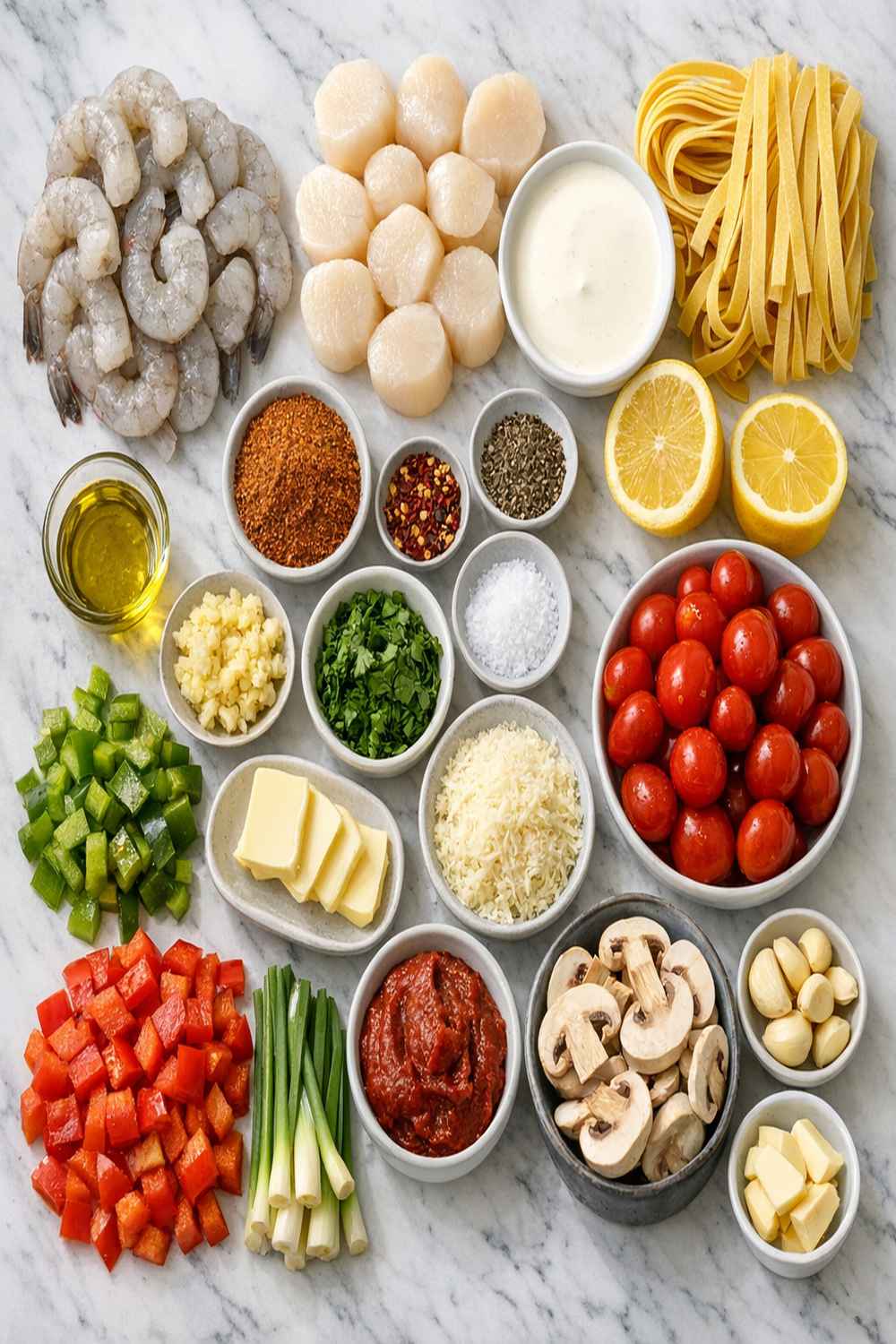
I’ve designed this ingredient list to work with what most people have in their pantry or can grab quickly at the store. Each component plays a specific role in creating that restaurant-quality texture and flavor.
- ½ cup grated Parmesan cheese (freshly grated if possible, not the pre-shredded version)
- 2 cloves fresh garlic (minced very fine, or ½ teaspoon garlic powder if you prefer)
- ¼ teaspoon freshly ground black pepper
- 1 tablespoon kosher salt (divided between pasta water and the sauce, to taste)
- ½ cup pasta cooking water (reserved before draining—this is your secret weapon for silky sauce)
- 1 cup heavy cream (full-fat is essential here for proper texture and mouthfeel)
- 1 tablespoon good-quality olive oil (this is your base fat for searing the shrimp)
- 8 ounces penne pasta (or any short pasta shape you prefer; I like penne because it catches the sauce beautifully)
- 1 pound raw shrimp (deveined and cleaned, tails removed, patted completely dry with paper towels—this is the secret to browning them properly)
- 2 tablespoons Cajun seasoning blend (if you can’t find it pre-made, combine paprika, cayenne, garlic powder, onion powder, and thyme)
- 1 tablespoon unsalted butter (adds richness and helps prevent the cream from breaking)
Serves 4 as a main course, or 6 as part of a larger meal
Expert’s Nutritional Tip: Why This Pasta Works Better Than You Think
Here’s what I tell my nutrition clients: shrimp is one of the most underrated proteins in American cooking. It’s lean, it’s rich in selenium and B vitamins, and it cooks so quickly that you preserve more nutrients than with longer-cooking proteins. One pound serves four people, which means each serving gets about 6 ounces of shrimp—roughly 30 grams of protein. The cream and Parmesan add fat-soluble vitamins and calcium, and the pasta provides the carbohydrates your body needs for energy.
According to USDA nutrition data, this dish delivers approximately 520 calories per serving with about 35 grams of protein. That’s a balanced meal that actually keeps you satisfied, not hungry an hour later.
How to Make Cajun Seafood Pasta: Step-by-Step
I’m going to walk you through this like I’m standing next to you in the kitchen. Each step builds on the last, and timing matters, but nothing here is complicated.
Step 1: Start Your Pasta Water and Prepare Your Shrimp
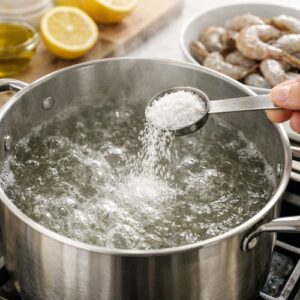
Fill a large pot with 6 cups of cold water and add 1 tablespoon of kosher salt. Bring it to a rolling boil—this is important because the pasta needs hot water to cook evenly. While your water heats, pat your shrimp completely dry with paper towels. This step makes an enormous difference in browning. Wet shrimp will steam instead of sear, and you’ll lose that caramelized exterior that makes this dish special.
Mince your garlic if using fresh, and have your Cajun seasoning measured and ready. When cooking, you want everything prepped before you start the actual cooking process.
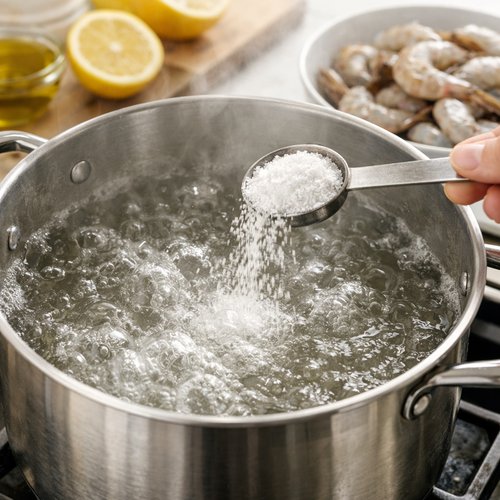
Step 2: Cook the Pasta to Al Dente
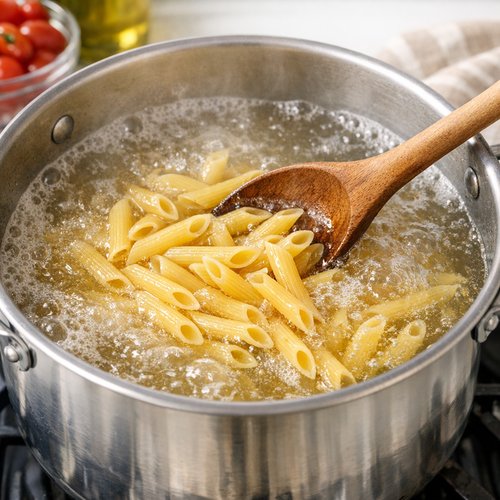
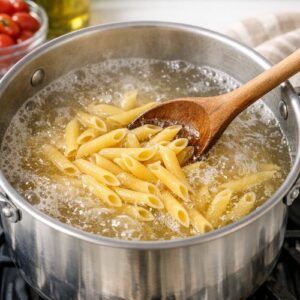
Add your penne to the boiling salted water when the water is at a rolling boil. Stir immediately to prevent sticking. Cook according to package directions, usually 9-11 minutes, but taste it at the 8-minute mark. You want it tender but still with a slight firmness when you bite it—this is al dente. Shrimp cooks so quickly that your pasta needs to be ready at the same time.
About 1 minute before your pasta finishes, reserve 1 cup of the pasta cooking water in a small bowl or measuring cup. This starchy water is your secret weapon for creating a silky sauce that clings to the pasta. It’s the difference between sauce that coats and sauce that pools at the bottom.
Step 3: Sear the Shrimp Until Golden
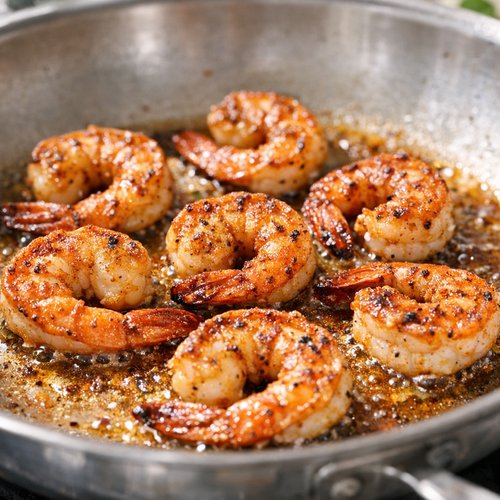
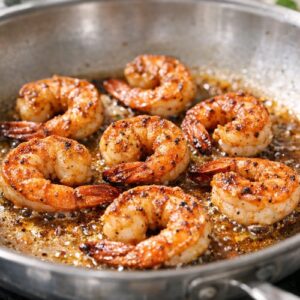
While your pasta cooks, heat a large skillet over medium-high heat. Add your olive oil and let it shimmer—you should see it move easily around the pan. Add the dry shrimp in a single layer and don’t move them for 2-3 minutes. This creates that beautiful golden sear. Flip them and sear the other side for another 1-2 minutes until the shrimp is mostly opaque with just a tiny hint of translucence in the center.
Sprinkle the Cajun seasoning over the shrimp in the last 30 seconds of cooking and toss quickly to coat. The heat will bloom the spices and release their flavor. Don’t overcook—shrimp goes from perfect to tough very quickly, usually in about 4-5 minutes total.
Step 4: Build Your Sauce
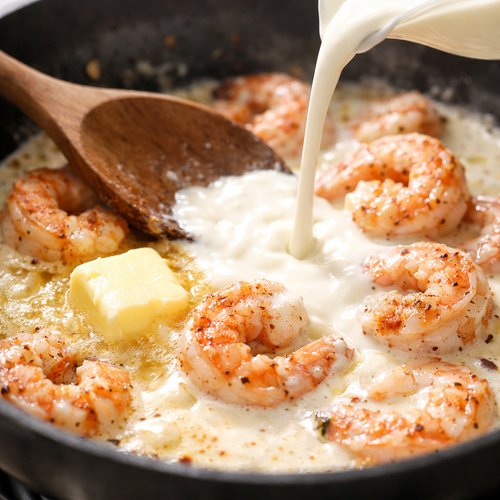
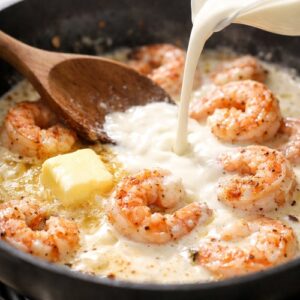
Lower the heat to medium. Add the butter to the pan with the shrimp. Once it melts, pour in your heavy cream. Stir gently and let it warm through for about 2 minutes, but don’t let it boil vigorously. Heavy cream can break if it gets too hot too fast, which means it separates and becomes grainy. You want gentle heat and slow integration.
Add your minced garlic (if using fresh) and stir. Taste the sauce and add salt and pepper to your preference. Remove the pan from heat before adding the Parmesan cheese. The residual heat will melt it evenly without making it grainy.
Step 5: Combine and Finish
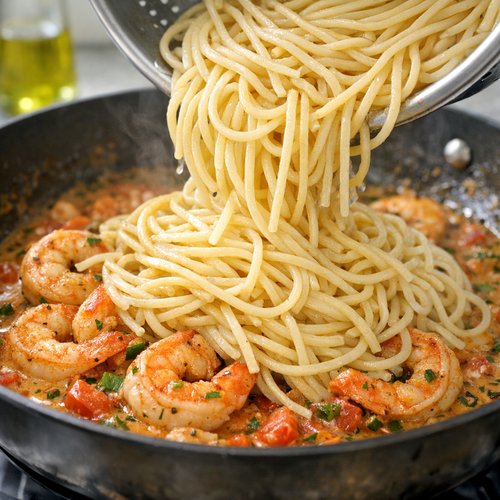
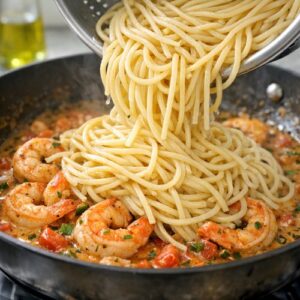
Drain your pasta in a colander—don’t rinse it. You want that starch on the noodles. Add the hot pasta directly to the pan with the sauce and shrimp. Pour in about ½ cup of your reserved pasta water and toss everything together gently for about 1 minute. The starch from the pasta water will emulsify with the cream, creating a silky sauce that coats every noodle.
The pasta will continue to absorb liquid as you plate and serve, so if it looks slightly loose in the pan, that’s exactly right. Serve immediately in warm bowls with extra Parmesan on the side and a crack of fresh black pepper.
Common Mistakes to Avoid
I’ve taught enough home cooks to know exactly where this recipe tends to derail. Let me save you the frustration:
- Overcooking the shrimp: This is the number one mistake. Shrimp cooks in minutes, not the 10-15 minutes people often cook chicken. The moment the flesh turns from translucent to opaque, you’re done. Pink doesn’t mean it’s not cooked—opaque does. Remove it from heat slightly before it looks perfectly done because carryover cooking will finish it.
- Skipping the pasta water: This isn’t optional. The starchy water is what transforms a heavy cream sauce into something silky and elegant. It helps the sauce coat the pasta instead of just coating your mouth. This is one of those professional techniques that makes home cooking feel restaurant-quality.
- Not drying the shrimp: Wet shrimp won’t sear properly. They’ll steam and release water into the pan, which prevents browning. Take the extra 30 seconds to pat them dry.
- Using pre-shredded Parmesan: I know it’s convenient, but pre-shredded cheese has anticaking agents that prevent it from melting smoothly. Fresh-grated melts like silk. This makes a real difference in the final texture.
How to Adapt Based on What You Have
- If you don’t have Cajun seasoning: Make your own with 1 teaspoon paprika, ½ teaspoon cayenne pepper, ½ teaspoon garlic powder, ½ teaspoon onion powder, and ¼ teaspoon dried thyme. Adjust cayenne based on your heat preference.
- If you don’t have heavy cream: You can use half-and-half, but reduce the amount to ¾ cup and add 2 tablespoons of cream cheese for richness. The sauce will be slightly thinner but still delicious. Don’t use milk—it won’t create the proper mouthfeel.
- If you’re using frozen shrimp: Thaw them in the refrigerator overnight or place them in a colander under cool running water for 10-15 minutes. Pat them dry completely before cooking.
- If you want to use a different pasta shape: Any short pasta works—farfalle, rigatoni, or shells all catch the sauce beautifully. Avoid long pasta like spaghetti because the sauce distribution becomes harder to manage.
- If you want less heat: Reduce the Cajun seasoning to 1 tablespoon or use a milder spice blend. You can always add more, but you can’t remove it once it’s in.
- If you want to add vegetables: Sautéed bell peppers, onions, or mushrooms work beautifully. Cook them with the shrimp before adding the cream, about 4-5 minutes until they start to soften.
Make-Ahead Guide: Planning for Busy Weeknights
One of my favorite things about this recipe is that parts of it adapt beautifully to meal planning. Here’s how I structure it when I’m prepping for busy weeks:
The Morning Of: Cook your pasta completely and drain it (don’t reserve the water yet). Toss it with 1 teaspoon of olive oil to prevent sticking. Store it in an airtight container in the refrigerator. Pat your shrimp dry, place them on a paper towel-lined plate, cover with plastic wrap, and refrigerate. Measure out your Cajun seasoning and Parmesan into small bowls.
At Dinner Time: Bring a small pot of water to a boil and add your cooked pasta for about 2 minutes to warm it through and loosen it up. This is crucial—cold pasta will absorb too much liquid and become mushy. Then proceed with searing the shrimp and making the sauce as directed. The total cooking time is still only about 10 minutes.
Important Note: Don’t make the complete finished dish more than 2 hours ahead. The pasta continues to absorb the sauce, and you’ll end up with a mushy, thick result instead of that silky, coated texture we’re going for. If you’re serving at a specific time, make the pasta and sauce components separately and combine just before serving.
Seasonal Variations: Making This Work Year-Round
I love teaching my clients how to adapt favorite recipes to what’s in season. This pasta framework works beautifully for it:
Spring: Add fresh lemon zest to the cream sauce and throw in some fresh peas in the last minute of cooking. The brightness cuts through the richness beautifully.
Summer: Replace half the heavy cream with half-and-half and add fresh cherry tomatoes that you’ve sautéed with the shrimp. You’ll get a lighter, fresher version that still feels indulgent.
Fall: Add ½ teaspoon of smoked paprika to deepen the spice profile, and consider adding roasted red peppers. The slight sweetness balances the heat perfectly.
Winter: Stick with the classic version as written, but add a pinch of nutmeg to the cream sauce. Just a whisper—it adds warmth and depth without being obvious.
What to Serve With Cajun Seafood Pasta
This is a rich, flavorful main course, so you want sides that balance it with brightness and lightness. Here’s what I reach for:
- A simple green salad with lemon vinaigrette: The acid from the lemon cuts through the cream beautifully and makes your whole meal feel lighter. Use fresh greens, nothing heavy.
- Garlic bread or crusty bread: This is about finishing every drop of sauce on your plate. Make it simple—just olive oil, minced garlic, and a sprinkle of parsley on toasted bread.
- Steamed or roasted broccoli with a squeeze of fresh lemon: The slight bitterness from the broccoli provides contrast to the richness of the pasta.
- A simple arugula salad: Peppery arugula with olive oil and lemon juice alongside creamy pasta is restaurant-quality simple.
If you’re looking for more seafood inspiration, I recommend checking out my Ahi Tuna Grilled Recipe for another elegant seafood preparation that uses similar techniques.
Can I Store and Reheat Cajun Seafood Pasta?
Yes, but with understanding about what happens to the texture. The pasta will continue absorbing the sauce as it sits, so what’s perfectly saucy fresh becomes thicker when stored.
Refrigerator Storage: Place leftovers in an airtight container and refrigerate for up to 3 days. The shrimp will stay safe for this timeframe, though the texture becomes softer with each day.
Reheating: I recommend reheating on the stovetop rather than the microwave. Place the pasta in a skillet over medium heat with a splash of water or broth (about ¼ cup). Stir gently and heat through for about 5 minutes. The added liquid will restore some of that silky sauce quality. Taste and add more salt, pepper, or a tiny squeeze of lemon juice if needed.
Freezing: I don’t recommend freezing this dish because the cream sauce separates when frozen, and the shrimp becomes rubbery. Fresh or refrigerated is your best option.
Nutrition Information
Based on USDA data for the ingredients and serving four people:
Per Serving (approximately 1 cup pasta with sauce and shrimp):
Calories: 520 | Protein: 35g | Fat: 22g (saturated: 11g) | Carbohydrates: 38g | Fiber: 2g | Sodium: 680mg
What I love about these numbers is the balance. You’re getting substantial protein that keeps you satisfied. The fat comes from cream and olive oil, which includes anti-inflammatory components. The carbs come from whole wheat pasta (if you choose that option), which provides sustained energy. The sodium is controlled because we’re using the salt intentionally at each stage, not dumping in bottled spice mixes loaded with extra sodium.
If you’re managing sodium intake, use low-sodium Cajun seasoning and taste carefully before adding extra salt. If you’re looking for additional protein or want to reduce calories slightly, you could use ¾ cup heavy cream and ¼ cup Greek yogurt stirred in at the end—the tartness is lovely with the spice.

Cajun Seafood Pasta Recipe
Ingredients
Method
- Fill a large pot with 6 cups of cold water and add 1 tablespoon of kosher salt. Bring it to a rolling boil—this is important because the pasta needs hot water to cook evenly. While your water heats, pat your shrimp completely dry with paper towels. This step makes an enormous difference in browning. Wet shrimp will steam instead of sear, and you'll lose that caramelized exterior that makes this dish special. Mince your garlic if using fresh, and have your Cajun seasoning measured and ready. When cooking, you want everything prepped before you start the actual cooking process.
- Add your penne to the boiling salted water when the water is at a rolling boil. Stir immediately to prevent sticking. Cook according to package directions, usually 9-11 minutes, but taste it at the 8-minute mark. You want it tender but still with a slight firmness when you bite it—this is al dente. Shrimp cooks so quickly that your pasta needs to be ready at the same time. About 1 minute before your pasta finishes, reserve 1 cup of the pasta cooking water in a small bowl or measuring cup. This starchy water is your secret weapon for creating a silky sauce that clings to the pasta. It's the difference between sauce that coats and sauce that pools at the bottom.
- While your pasta cooks, heat a large skillet over medium-high heat. Add your olive oil and let it shimmer—you should see it move easily around the pan. Add the dry shrimp in a single layer and don't move them for 2-3 minutes. This creates that beautiful golden sear. Flip them and sear the other side for another 1-2 minutes until the shrimp is mostly opaque with just a tiny hint of translucence in the center. Sprinkle the Cajun seasoning over the shrimp in the last 30 seconds of cooking and toss quickly to coat. The heat will bloom the spices and release their flavor. Don't overcook—shrimp goes from perfect to tough very quickly, usually in about 4-5 minutes total.
- Lower the heat to medium. Add the butter to the pan with the shrimp. Once it melts, pour in your heavy cream. Stir gently and let it warm through for about 2 minutes, but don't let it boil vigorously. Heavy cream can break if it gets too hot too fast, which means it separates and becomes grainy. You want gentle heat and slow integration. Add your minced garlic (if using fresh) and stir. Taste the sauce and add salt and pepper to your preference. Remove the pan from heat before adding the Parmesan cheese. The residual heat will melt it evenly without making it grainy.
- Drain your pasta in a colander—don't rinse it. You want that starch on the noodles. Add the hot pasta directly to the pan with the sauce and shrimp. Pour in about ½ cup of your reserved pasta water and toss everything together gently for about 1 minute. The starch from the pasta water will emulsify with the cream, creating a silky sauce that coats every noodle. The pasta will continue to absorb liquid as you plate and serve, so if it looks slightly loose in the pan, that's exactly right. Serve immediately in warm bowls with extra Parmesan on the side and a crack of fresh black pepper.
Notes
FAQs
Can I use cooked shrimp instead of raw?
You can, but the results won’t be quite as good. Cooked shrimp is already tender and cooked through, so if you heat it for the full searing time, it becomes tough and rubbery. If you use cooked shrimp, add it to the cream sauce for just 1-2 minutes to warm through, then proceed with finishing the dish. Raw shrimp gives you much better control over the final texture.
What if I’m sensitive to spicy food?
Reduce the Cajun seasoning to 1 tablespoon or use a mild Creole seasoning instead. You can also add the spice gradually—start with 1 tablespoon mixed into the sauce, taste, and add more if you want more heat. You can’t remove heat once it’s in, so conservative is better. The dish is still delicious with less spice; it’s just less warming.
Is this dish gluten-free?
The dish as written is not, but it’s easily adapted. Use gluten-free pasta made from brown rice, chickpea, or corn flour. The cooking technique remains exactly the same. Everything else—shrimp, cream, butter, cheese, spices—is naturally gluten-free. I’ve made this with gluten-free pasta many times, and the sauce works beautifully.
Can I double this recipe for a dinner party?
Absolutely, and I actually recommend it because it scales beautifully. Double everything, use a larger skillet (or two skillets for searing the shrimp), and increase the pasta water to about ¾-1 cup. The only thing to be careful about is not overcrowding your pan when searing the shrimp. If you’re doubling and doubling the shrimp, work in batches so they sear properly instead of steaming. It takes a few extra minutes, but the results are worth it.
What’s the best wine pairing with this dish?
Look for a crisp white wine with good acidity—a Sauvignon Blanc, Pinot Grigio, or even a dry Riesling works beautifully. The acidity cuts through the richness of the cream and complements the Cajun spices. Avoid heavy oaked wines because they’ll compete with the dish instead of complement it. If you don’t drink wine, a sparkling water with fresh lemon is equally nice.
More Recipes You’ll Love
- this simple cake – Another seafood classic that brings elegance to your weeknight table with the same attention to proper technique
- Basic Roux Recipe – Master this foundational technique to create silky sauces and gravies just like in this pasta
- Hibachi Recipe – If you love the seared protein technique in this pasta, hibachi cooking will speak to you
Final Thoughts: Comfort Food That Actually Nourishes
When I sit down to develop recipes for my nutrition clients, I’m always thinking about the same question: How do we make food that tastes like comfort feel like care? This Cajun Seafood Pasta answers that question completely. It’s built on proper technique, balanced nutrition, and flavors that make you feel like you’re treating yourself.
The magic isn’t in any single ingredient—it’s in understanding how those ingredients work together. The seared shrimp creates depth. The cream provides luxurious mouthfeel and carries the fat-soluble vitamins your body needs. The Cajun spices make you feel something in that good, warming way. The pasta acts as the vehicle for all of it, providing carbohydrates and helping your body absorb everything around it.
This is the kind of recipe I come back to again and again, and I hope it becomes one for you too. Not because it’s fancy—it’s genuinely simple—but because it proves that taking care of yourself and enjoying delicious food aren’t in conflict. They’re the same thing.
Cook what makes you happy!