
This post contains affiliate links. As an Amazon Associate I earn from qualifying purchases.
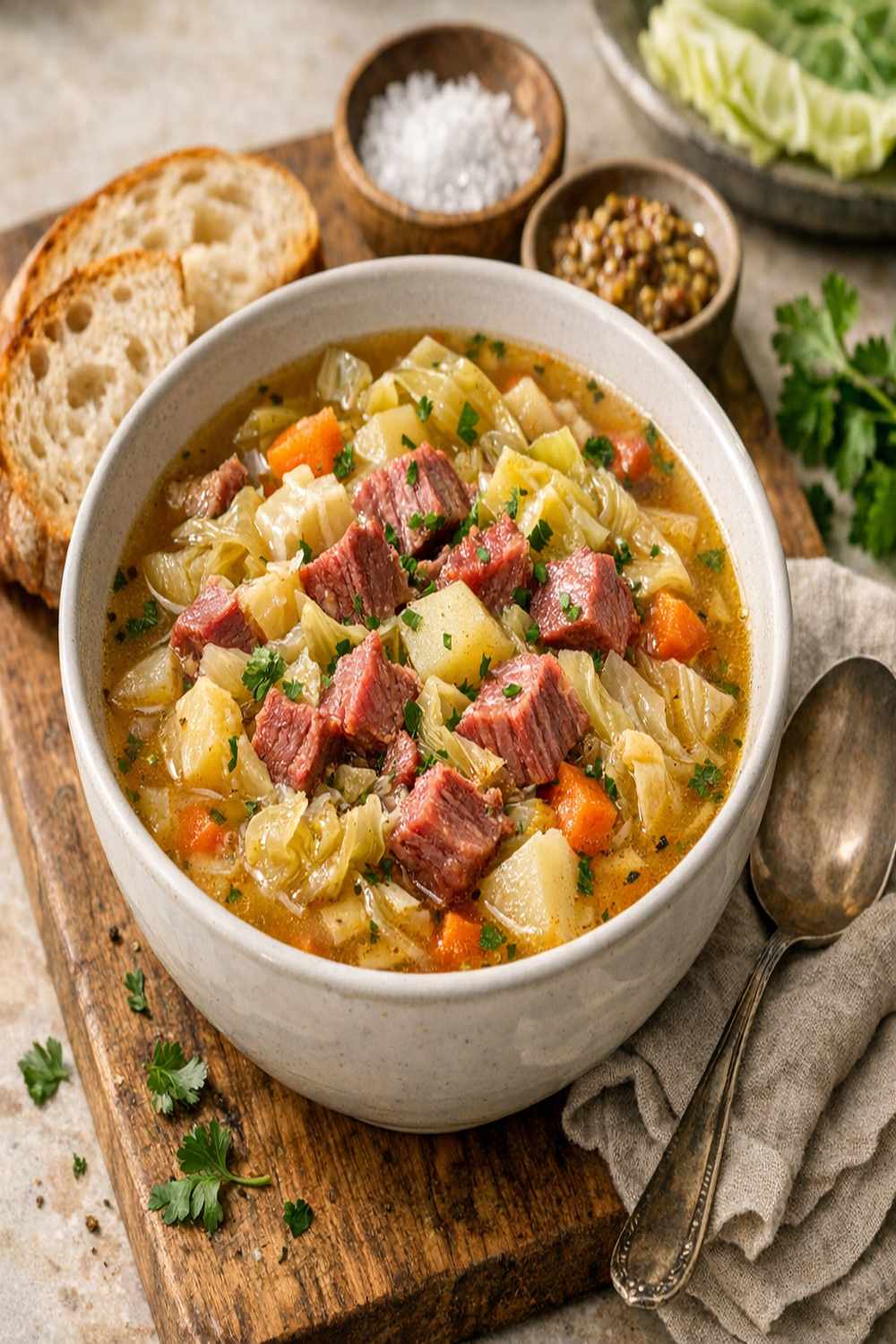
Whether you’re following keto, vegan, or a gluten-free plan, you don’t have to miss out on the warm comfort of a homemade soup. This cabbage and corned beef soup recipe has been a staple in my kitchen for years, and I’ve learned how to make it work for just about every dietary need. It’s the kind of dish that reminds me of my grandmother’s kitchen in Baltimore—the steam rising from the pot, the smell of bay leaves and fresh herbs filling the house, and the knowing that something nourishing is about to happen at the table. I’ve adapted it countless times for clients and family members with different needs, and every single version tastes like home.
The Ultimate Cabbage and Corned Beef Soup Recipe for Every Diet (Keto, Vegan, and Gluten-Free)
I grew up watching my grandmother make this soup on cold Maryland afternoons. She didn’t worry about macros or dietary labels—she just knew that good food brought people together and made them feel better. Years later, when I became a registered dietitian, I realized her instinct was backed by science. This soup is naturally nutrient-dense, filling, and adaptable. When my sister went vegan, my brother went keto, and my niece was diagnosed with celiac disease, I realized this one recipe could serve all of them. That’s when I knew I had to share it with everyone who feels caught between their cravings and their dietary choices.
Which Version Is Right for You?
The beauty of this soup is that it starts with the same foundation but transforms based on what works for your body and your goals. Here’s how to choose your version:
- Keto Version – Skip the potato entirely and increase the cabbage. You’ll get all the heartiness without the carbs, and the broth becomes even more satisfying with added fat from the corned beef.
- Vegan Version – Replace the corned beef with hearty mushrooms and add white beans for protein. The umami from the mushrooms mimics the depth that meat provides, and you won’t feel like anything is missing.
- Gluten-Free Version – This recipe is naturally gluten-free, but always double-check your corned beef label. Some brands sneak gluten into their cure. The good news? No thickening agents needed here.
- Dairy-Free Version – There’s no dairy in this recipe anyway, so everyone can enjoy it as written. It’s naturally inclusive, which I love.
The Base Ingredients (Works for All Versions)
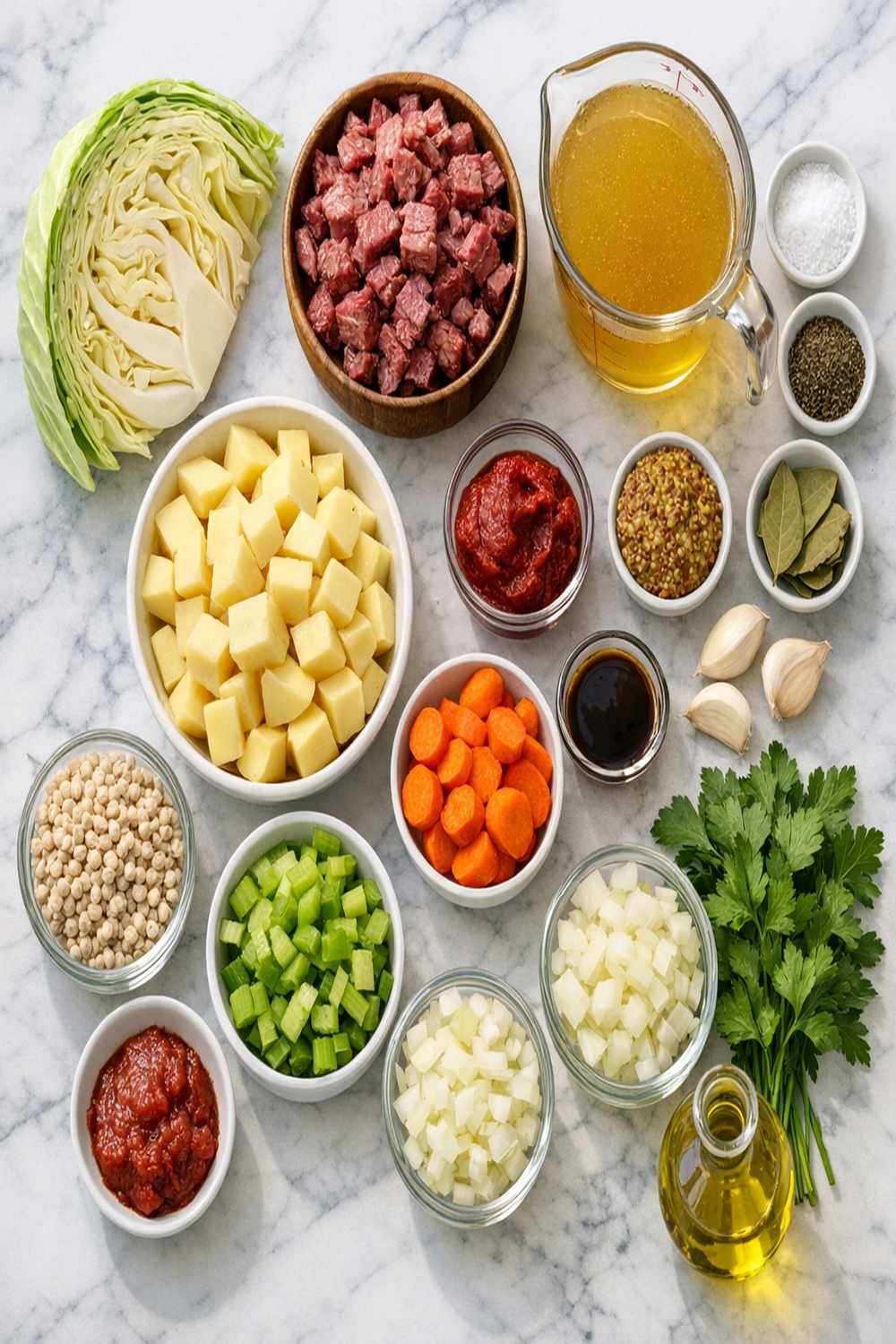
These ingredients form the aromatic foundation of the soup. Every version starts here, then branches out based on your dietary needs. I always recommend buying the best quality ingredients you can afford—the flavor difference is noticeable, especially in a simple broth-based dish like this.
For the Broth and Aromatics
- 2 bay leaves (whole, for infusing flavor without grit)
- 1 medium yellow bell pepper, chopped (adds brightness and subtle sweetness)
- 2 teaspoons extra virgin olive oil (a good quality oil adds subtle richness to the broth)
- 2 cloves fresh garlic, minced (or 1 teaspoon garlic powder if fresh isn’t available)
- ¼ cup fresh flat-leaf parsley, chopped (plus extra for garnish, adds fresh herbal notes)
- 2 medium leeks, cleaned and chopped (whites and light green parts only, as dark green can be bitter)
- Fresh cracked black pepper to taste (add at the end, after cooking, for best flavor)
- 3 medium carrots, chopped into bite-sized pieces (orange carrots add natural sweetness to balance the cabbage)
- 6 cups filtered water or low-sodium vegetable broth (quality broth makes a difference in the final taste)
For the Protein and Vegetables
- 1 large russet potato, peeled and cubed into ½-inch pieces (can be omitted for keto version)
- 1 teaspoon smoked paprika, optional (adds depth and a subtle smokiness)
- 1 small head green cabbage, cored and chopped into bite-sized pieces (approximately 4 cups, the star ingredient)
- 1 pound lean corned beef brisket, trimmed of excess fat (yields approximately 9 ounces cooked meat, standard for 4-6 servings)
- 1 tablespoon apple cider vinegar, optional (brightens flavors at the very end)
Dietary Substitution Chart
Here’s exactly what to swap for each dietary version. I’ve tested all of these substitutions myself, and each one preserves the soul of the soup while honoring your dietary needs.
- Potato (1 large) -> Keto: Omit entirely, add 2 cups chopped cauliflower instead | Vegan: Replace with 1 extra cup diced carrots or turnips | Gluten-Free: Use as directed (potatoes are naturally gluten-free)
- Olive Oil (2 teaspoons) -> Keto: Increase to 1 tablespoon for more fat | Vegan: Use as directed | Gluten-Free: Use as directed
- Water/Broth (6 cups) -> Keto: Use beef broth for deeper flavor | Vegan: Use vegetable broth or mushroom broth | Gluten-Free: Always verify broth is certified gluten-free
- Corned Beef (1 pound) -> Keto: Use 1 pound beef brisket, increase cooking time to 90 minutes | Vegan: Use 12 ounces cremini mushrooms (chopped) plus 1 can white beans (drained) | Gluten-Free: Verify label for gluten-free certified corned beef
How to Make Cabbage and Corned Beef Soup Recipe Your Way
This recipe comes together in about 45 minutes from start to finish. The instructions work as a base for all versions, with dietary modifications noted at each relevant step. Pay attention to the timing—corned beef needs sufficient time to cook through and become tender. As a dietitian, I always remind people that cooking time is never wasted time. It’s an investment in your health and in the people you’re feeding.
Step 1: Prepare and Sauté Your Aromatics
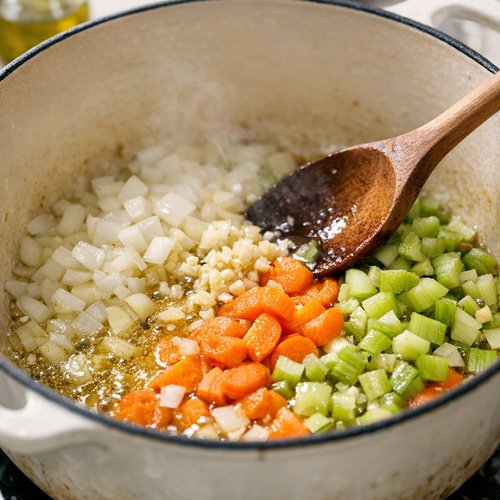
Heat olive oil in a large heavy-bottomed pot or Dutch oven over medium heat. Once the oil shimmers (you should see ripples across the surface), add your chopped leeks and sauté for 3 to 4 minutes, stirring occasionally. The leeks should become translucent and fragrant. Add minced garlic and cook for another 30 seconds until very fragrant. For all dietary versions, this step remains the same—aromatics are flavor-building blocks that benefit everyone.
Step 2: Add Carrots and Bell Pepper
Stir in your chopped carrots and yellow bell pepper. Cook for 2 minutes, stirring gently. You’re not trying to brown these vegetables—you’re waking up their natural sugars and releasing their flavors into the oil. This is a technique called sweating vegetables, and it creates a flavor foundation that’s deep and satisfying.
Step 3: Add Water and Bay Leaves, Then Your Protein
Pour in your 6 cups of water or broth. Add both bay leaves. For the standard version: Add your 1 pound corned beef brisket whole or in large pieces. For keto version: Use beef brisket and add 12 ounces cremini mushrooms now. For vegan version: Skip the corned beef entirely at this stage—you’ll add mushrooms and beans in Step 5 instead. Bring the liquid to a gentle boil, then reduce heat to maintain a steady simmer. Partially cover the pot.

Step 4: Simmer the Protein Base (Meat or Mushroom Versions)
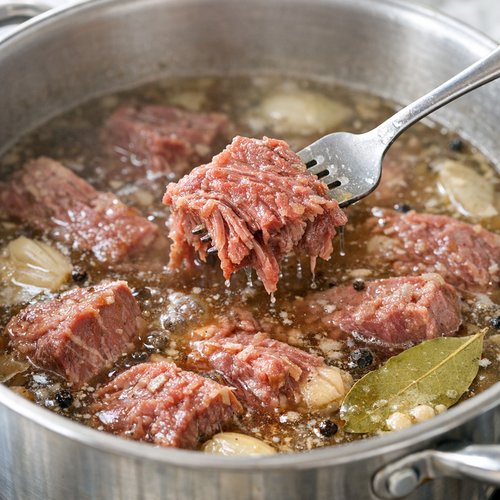
For corned beef versions, simmer for 25 to 30 minutes. The meat should become very tender when pierced with a fork. For mushroom-based keto and vegan versions, mushrooms need about 20 minutes to break down and release their umami flavors. Do not rush this step—the longer the simmer, the more flavorful your broth becomes. This is where you build depth without added salt or heavy cream. Once the protein is tender, carefully remove it from the broth, allow it to cool slightly, then shred or chop it into bite-sized pieces.
Step 5: Add Vegetables and Adjust Timing
Add your chopped cabbage, cubed potato (or cauliflower for keto), and fresh parsley to the simmering broth. For vegan versions, add white beans now along with the cabbage. Return the shredded or chopped protein to the pot. Stir gently to combine. The soup should return to a gentle simmer.
Step 6: Final Simmer and Seasoning
Simmer uncovered for 12 to 15 minutes, until the cabbage is tender but still has a slight bite to it (not mushy). Taste the broth. Add fresh cracked black pepper to taste—start with ½ teaspoon and adjust from there. If you’re using smoked paprika, add it now. If you want to brighten the flavors, add a tablespoon of apple cider vinegar and stir well. These finishing touches transform a good soup into a great one. Remove the bay leaves before serving.
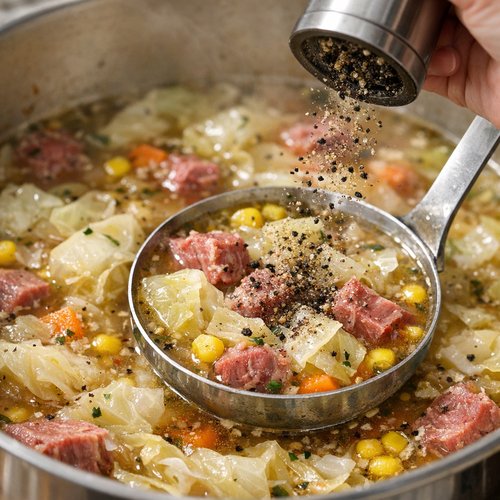
Step 7: Serve and Garnish
Ladle soup into bowls and garnish with extra fresh parsley. A crack of fresh black pepper on top adds visual appeal and flavor. Serve immediately while steaming hot.
Nutrition Comparison Across Versions
Here’s the nutritional breakdown per serving (assumes 4 servings). These numbers are calculated using USDA FoodData Central for accuracy:
- Standard Version (with corned beef and potato): Approximately 285 calories | 18g protein | 14g fat | 18g carbohydrates | 3g fiber | 8g net carbs | 520mg sodium
- Keto Version (beef brisket, cauliflower instead of potato): Approximately 260 calories | 22g protein | 14g fat | 8g carbohydrates | 2g fiber | 6g net carbs | 480mg sodium
- Vegan Version (mushrooms and white beans): Approximately 210 calories | 12g protein | 4g fat | 28g carbohydrates | 6g fiber | 22g net carbs | 380mg sodium
- Gluten-Free Version (identical to standard, verified ingredients): Approximately 285 calories | 18g protein | 14g fat | 18g carbohydrates | 3g fiber | 8g net carbs | 520mg sodium (varies by corned beef brand)
All versions provide excellent bioavailable iron from their protein sources—corned beef offers heme iron (easier to absorb), while mushrooms and beans provide non-heme iron (pair with vitamin C for better absorption, which this soup naturally contains from the vegetables).
How Each Version Tastes Different
I want to be honest about the flavor differences because you should know what to expect. The standard version is rich and deeply savory, with the corned beef providing a salty, beefy backbone and the potato adding creamy substance. It tastes like a traditional Irish-inspired comfort soup.
The keto version tastes nearly identical to the standard version if you use beef brisket instead of corned beef. The cauliflower absorbs the broth beautifully and becomes soft and tender. Some people say they prefer it because there’s no starch to weigh you down. Others miss the potato’s subtle sweetness. It’s still deeply satisfying.
The vegan version has a different character entirely. The mushrooms create an earthy, umami-forward base that’s nothing like meat but equally complex. The white beans add creaminess and protein. It tastes more like a rustic vegetable soup with unexpected depth. If you serve this to non-vegans, they’ll be surprised by how substantial it feels. It’s not trying to replicate the corned beef version—it’s becoming its own thing, and that’s its strength.
The gluten-free version tastes identical to the standard version as long as you verify your corned beef is certified gluten-free. The soup itself contains no gluten-containing ingredients.
Can I Store Cabbage and Corned Beef Soup Recipe?
Yes, and it actually tastes better the next day once the flavors have melded together.
Refrigerator Storage: Cool the soup to room temperature, then transfer to an airtight container. Store for 3 to 4 days in the refrigerator. Before reheating, skim off any fat that has solidified on top (optional—I usually keep it for extra flavor). Reheat gently on the stovetop over medium heat until it reaches a simmer, stirring occasionally.
Freezer Storage: This soup freezes beautifully. Cool completely, then transfer to freezer-safe containers or gallon-sized freezer bags (I prefer containers because they stack better). Freeze for up to 3 months. Thaw overnight in the refrigerator, then reheat gently on the stovetop. For vegan versions with beans, the beans may soften further when thawed—this is normal and doesn’t affect taste or safety.
Pro Tip: I freeze soup in individual portions using muffin tins. Once frozen solid, I pop them out and transfer to freezer bags. Then I can grab exactly one serving on busy weeknights without thawing the whole batch.
Expert’s Nutritional Tip
Here’s what excites me about this soup as a registered dietitian: the combination of vegetables, quality protein, and bone broth-like simmering creates what I call “nutritional synergy.” The vitamin C from the cabbage and peppers increases your body’s ability to absorb the iron from the corned beef or mushrooms. The long simmer extracts minerals from the vegetables into the broth itself, making them more bioavailable. This isn’t a soup that just fills your stomach—it’s a soup that actually nourishes every cell. This is why I keep saying that comfort food and nutrient-dense food don’t have to be enemies. In fact, they’re best friends.
What to Serve With Cabbage and Corned Beef Soup Recipe?
This soup is hearty enough to stand alone as a meal, but pairing it with complementary foods elevates the experience. Think about texture contrast—something crunchy or crispy alongside the soft, creamy soup. Here are my favorite pairings across all dietary versions:
- Crusty Sourdough Bread – Perfect for all versions except strict keto. Tear off chunks and use them to soak up the broth. This adds satisfying carbs and texture contrast.
- Crispy Rye Crackers – Works for all versions. The rye adds nuttiness and crunch. For gluten-free, look for certified rye alternatives.
- Simple Green Salad with Vinaigrette – Any version. A peppery arugula salad with lemon vinaigrette adds brightness and lightness to balance the soup’s richness.
- Roasted Root Vegetables – For all versions. Try carrots, turnips, or parsnips tossed in olive oil and roasted until caramelized. They echo the soup’s flavors while adding complexity.
- Grilled Protein on the Side – For keto versions that want extra fat and protein. Try our BBQ Spatchcock Chicken Recipe for a complementary smoky element.
Make-Ahead Guide
I’m a big believer in meal prep, especially for soups. Here’s how I prepare this soup when I know I’ll have a busy week ahead:
Two Days Before Serving: Chop all aromatics (leeks, garlic, carrots, peppers) and store in separate airtight containers in the refrigerator. Chop cabbage, but don’t store it yet—cabbage releases moisture quickly and can become watery. Peel and cube your potato, storing it in cold water with a squeeze of lemon juice to prevent browning.
The Day Before Serving: Make the entire soup through Step 5 (after adding vegetables). Cool completely and refrigerate. The flavors actually deepen overnight as everything melds together. The next day, simply reheat and serve. The potato will be perfectly tender, and the broth will taste even richer.
Single Portions for the Week: On Sunday, make a full batch. Portion into glass containers or freezer bags. Label with the date and dietary version (if you’ve made multiple). Keep one portion in the fridge for Monday’s lunch. Freeze the rest for the next 3 weeks. This way, you always have a nutrient-dense meal waiting for you on your busiest days.
Common Mistakes to Avoid
After making this soup dozens of times myself and watching clients prepare it, I’ve noticed patterns in what goes wrong. Here’s how to avoid them:
Mistake #1: Overcooking the Cabbage – I see this constantly. People simmer the cabbage for 20+ minutes and end up with mushy, grayish vegetables. Cabbage only needs 12 to 15 minutes. It should still have a slight bite. The texture contrast is part of what makes this soup special. Set a timer and stick to it.
Mistake #2: Not Browning the Aromatics Properly – Some people dump everything in the pot at once and skip the sautéing step. When you take time to sauté leeks and garlic in oil, you’re building a flavor foundation. This step takes maybe 4 minutes but affects the entire final taste. Don’t skip it.
Mistake #3: Cutting Vegetables Too Small – Tiny vegetable pieces get lost in the broth and dissolve during cooking. They also release more starch, making the broth cloudy. Chop into bite-sized pieces that hold their shape. Think ½-inch to ¾-inch chunks.
Mistake #4: Using Low-Quality Broth or Water – This soup is only as good as its liquid base. If you’re using store-bought broth, read the label carefully. Avoid broth with added sugar, excessive sodium (over 900mg per cup), or long lists of unpronounceable ingredients. Better yet, make your own broth if you have time. If using water, consider adding a bouillon cube for extra flavor.
Seasonal Variations
I adapt this soup seasonally because I believe cooking should honor what’s available right now. Here’s how I modify it throughout the year:
Spring Version: Replace some of the cabbage with fresh asparagus and peas (add them in the final 5 minutes so they stay bright and tender). Use leeks as your main allium—spring leeks are milder and sweeter than winter ones. Add fresh dill instead of parsley. The soup becomes lighter and more herbaceous.
Summer Version: Add diced zucchini and keep the yellow peppers. Use fresh basil as your finishing herb. Some summers I add corn kernels for sweetness. The broth stays the same, but the vegetables feel more summery. This is when I reduce the cooking time slightly because summer vegetables are more tender than winter vegetables.
Fall Version: Add diced parsnips and increase the carrots slightly (fall carrots are sweeter). Use smoked paprika to echo the season’s smokiness. Add thyme along with parsley. Maybe increase the potato since fall root vegetables are at their peak. This version feels more grounding and warming.
Winter Version: This is the version I’ve described in the full recipe—it’s the ultimate winter soup. Stick with hardy vegetables like cabbage, carrots, and potatoes. Use fresh sage along with parsley. Consider adding turnips for earthiness. The long simmer is perfect for cold weather cooking.

Cabbage And Corned Beef Soup Recipe
Ingredients
Method
- Heat olive oil in a large heavy-bottomed pot or Dutch oven over medium heat. Once the oil shimmers (you should see ripples across the surface), add your chopped leeks and sauté for 3 to 4 minutes, stirring occasionally. The leeks should become translucent and fragrant. Add minced garlic and cook for another 30 seconds until very fragrant. For all dietary versions, this step remains the same—aromatics are flavor-building blocks that benefit everyone.

- Stir in your chopped carrots and yellow bell pepper. Cook for 2 minutes, stirring gently. You're not trying to brown these vegetables—you're waking up their natural sugars and releasing their flavors into the oil. This is a technique called sweating vegetables, and it creates a flavor foundation that's deep and satisfying.
- Pour in your 6 cups of water or broth. Add both bay leaves. For the standard version: Add your 1 pound corned beef brisket whole or in large pieces. For keto version: Use beef brisket and add 12 ounces cremini mushrooms now. For vegan version: Skip the corned beef entirely at this stage—you'll add mushrooms and beans in Step 5 instead. Bring the liquid to a gentle boil, then reduce heat to maintain a steady simmer. Partially cover the pot.

- For corned beef versions, simmer for 25 to 30 minutes. The meat should become very tender when pierced with a fork. For mushroom-based keto and vegan versions, mushrooms need about 20 minutes to break down and release their umami flavors. Do not rush this step—the longer the simmer, the more flavorful your broth becomes. This is where you build depth without added salt or heavy cream. Once the protein is tender, carefully remove it from the broth, allow it to cool slightly, then shred or chop it into bite-sized pieces.
- Add your chopped cabbage, cubed potato (or cauliflower for keto), and fresh parsley to the simmering broth. For vegan versions, add white beans now along with the cabbage. Return the shredded or chopped protein to the pot. Stir gently to combine. The soup should return to a gentle simmer.
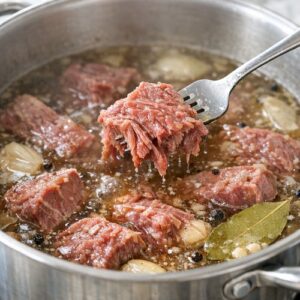
- Simmer uncovered for 12 to 15 minutes, until the cabbage is tender but still has a slight bite to it (not mushy). Taste the broth. Add fresh cracked black pepper to taste—start with ½ teaspoon and adjust from there. If you're using smoked paprika, add it now. If you want to brighten the flavors, add a tablespoon of apple cider vinegar and stir well. These finishing touches transform a good soup into a great one. Remove the bay leaves before serving.

- Ladle soup into bowls and garnish with extra fresh parsley. A crack of fresh black pepper on top adds visual appeal and flavor. Serve immediately while steaming hot.
FAQs
Can I Make This Soup Without the Corned Beef for a Vegan Version?
Absolutely. I do this all the time. The key is replacing the umami (savory depth) that corned beef provides. Use cremini or portobello mushrooms, sautéing them first with a pinch of salt to draw out their moisture. Add white beans or chickpeas for protein and creaminess. Some people add a tablespoon of miso paste to the broth for extra umami depth (verify your miso is vegan if that matters to you). The soup tastes completely different—more vegetable-forward—but equally delicious and satisfying. One 6-ounce serving provides approximately 12 grams of plant-based protein when made with beans.
Is This Soup Okay for Keto? What Are the Net Carbs?
The standard recipe with potato contains about 8 net carbs per serving, which might be slightly high depending on your daily carb limit. For true keto (typically under 20 net carbs per day), make the version with beef brisket and cauliflower instead of potato. This drops the net carbs to approximately 6 grams per serving. Calculate based on your 6-serving yield. Skip the apple cider vinegar if you’re counting every carb (it has 1 gram per tablespoon). The soup is satisfying and filling for keto because the fat and protein keep you satiated.
How Do I Verify This Soup Is Truly Gluten-Free?
The soup itself—all vegetables, broth, herbs—is naturally gluten-free. The only variable is corned beef. Some brands cure their meat with gluten-containing additives or grains. Check the ingredient label carefully. Look for “certified gluten-free” on the packaging if possible. When in doubt, call the manufacturer. Most processed meats contain gluten unless specifically labeled otherwise. Once you’ve verified your corned beef, the entire soup is safe for celiac disease and non-celiac gluten sensitivity.
Can I Double or Triple This Recipe?
Yes, and you should. This soup freezes so well that making a triple batch makes sense on your cooking day. Simply multiply all ingredients by 3 and use a larger pot (I’d recommend an 8-quart Dutch oven or stockpot). The cooking times remain the same—don’t increase the simmering time just because you’re making more. The ratio of ingredients to liquid stays constant. Freeze in individual portions for easy weekday meals. This is how I guarantee I always have something nourishing ready to eat.
What If I Don’t Have Fresh Parsley?
Fresh parsley adds brightness and a subtle herbaceous note at the end, but it’s not essential. Substitute with fresh dill, fresh chives, or fresh cilantro depending on what you have and what appeals to you. You can also use dried parsley, but you’ll need only 1 tablespoon (dried herbs are more concentrated). Add dried herbs earlier in the cooking process (around Step 3) so they have time to hydrate and release their flavor. Fresh is always preferable in my kitchen because it adds visual appeal and a fresh, living quality to the finished soup.
How Long Does This Soup Keep in the Freezer?
When stored properly in airtight, freezer-safe containers or bags, this soup stays safe and tasty for up to 3 months in the freezer. After 3 months, the quality begins to decline—vegetables can develop off-flavors or mushy textures, and the broth becomes less vibrant. I always label my containers with the date and dietary version so I’m not confused when reaching into my freezer. Thaw overnight in the refrigerator before reheating on the stovetop. Never thaw at room temperature because bacteria can multiply in the danger zone (40°F to 140°F).
More Diet-Friendly Recipes
- Batter Recipe For Fish Tacos – A crispy, adaptable seafood option that works for keto and gluten-free versions
- Authentic Manicotti Recipe – A vegetarian comfort classic that satisfies without feeling restrictive
- Authentic Carnitas Recipe Lard – A keto-friendly protein that deserves its own cooking project
More Recipes You Will Love
- This Easy Chicken Dinner – Worth adding to your recipe collection.
There’s something deeply human about wanting to eat the foods that comfort us while also respecting our bodies’ needs. For years, people made me feel like I had to choose between these two desires. But I’m here to tell you they’re not mutually exclusive. This soup proves it. Whether you’re making it with corned beef for someone who eats everything, mushrooms for your vegan sister, or cauliflower for your keto-curious friend, you’re serving the same message: “I see you. I made something nourishing that you can actually eat. You belong at this table.” That’s what comfort food really means to me—it’s food prepared with the knowledge that dietary needs don’t make someone difficult. They make them human. Cook what makes you happy!